
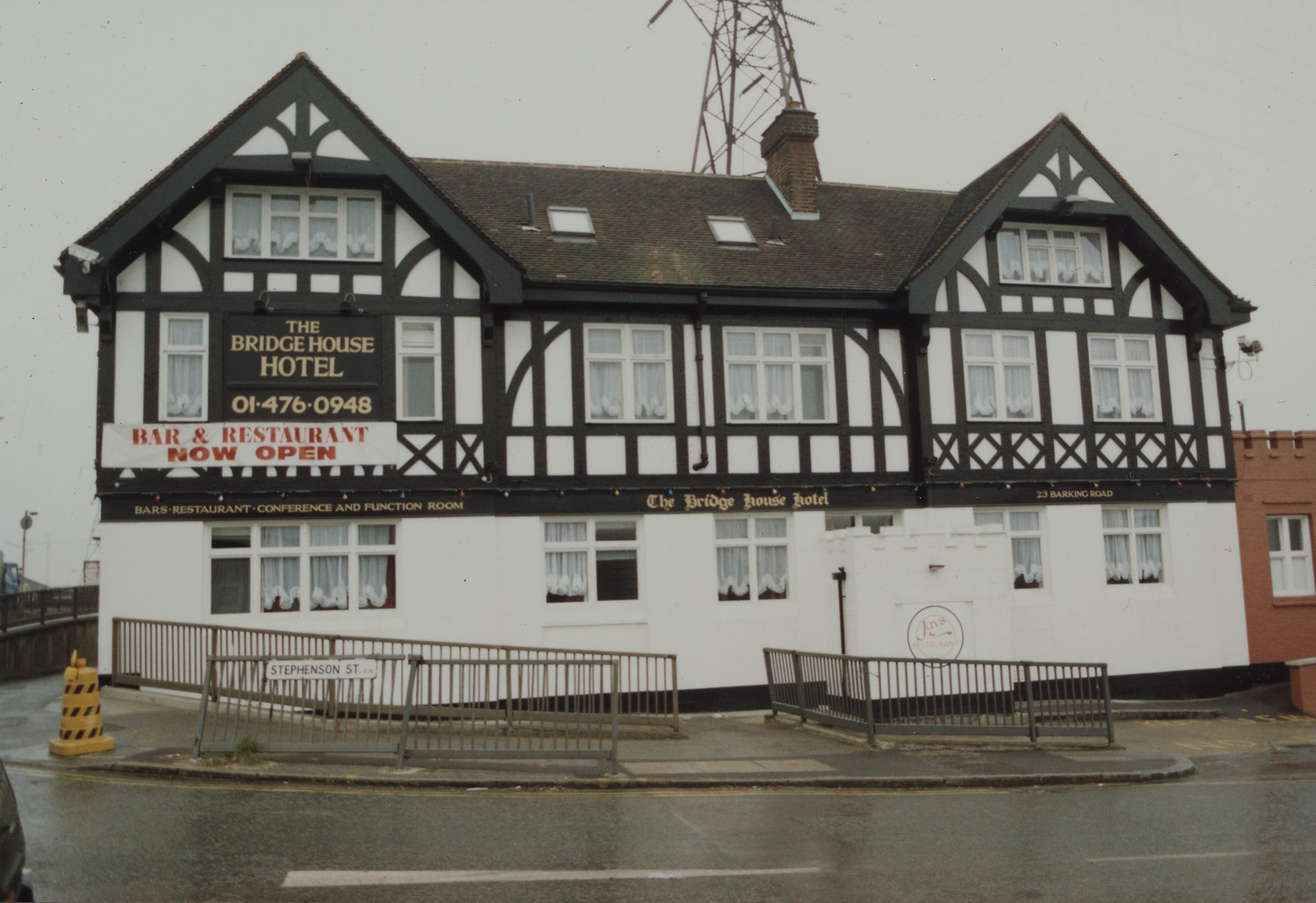
Where punk evolved into post-punk
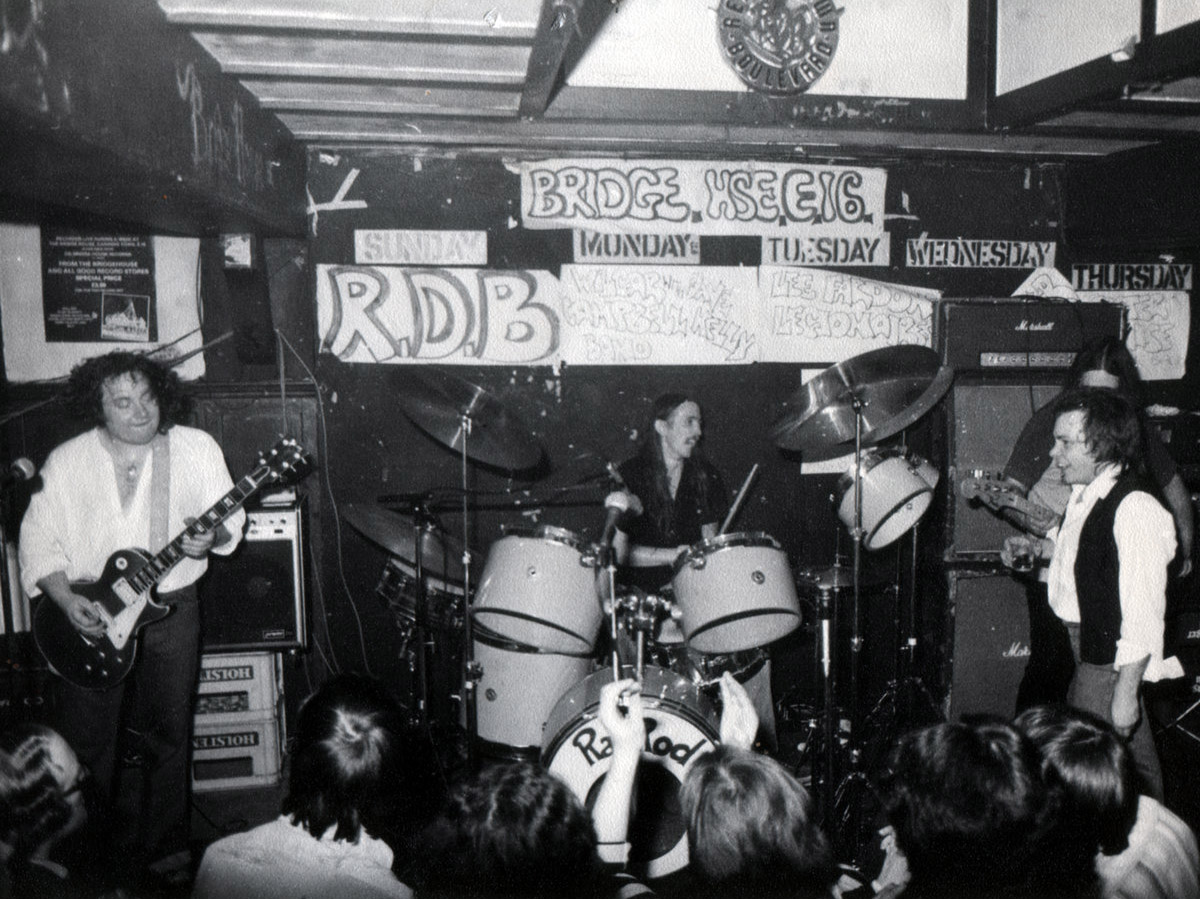
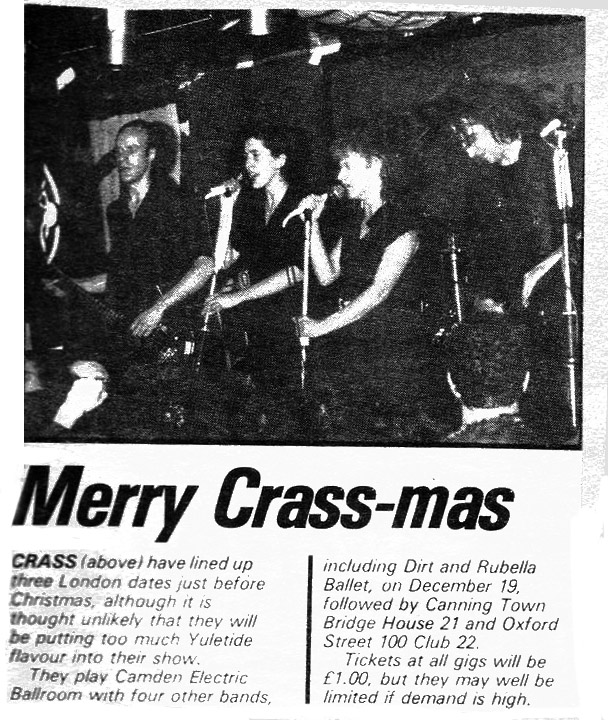
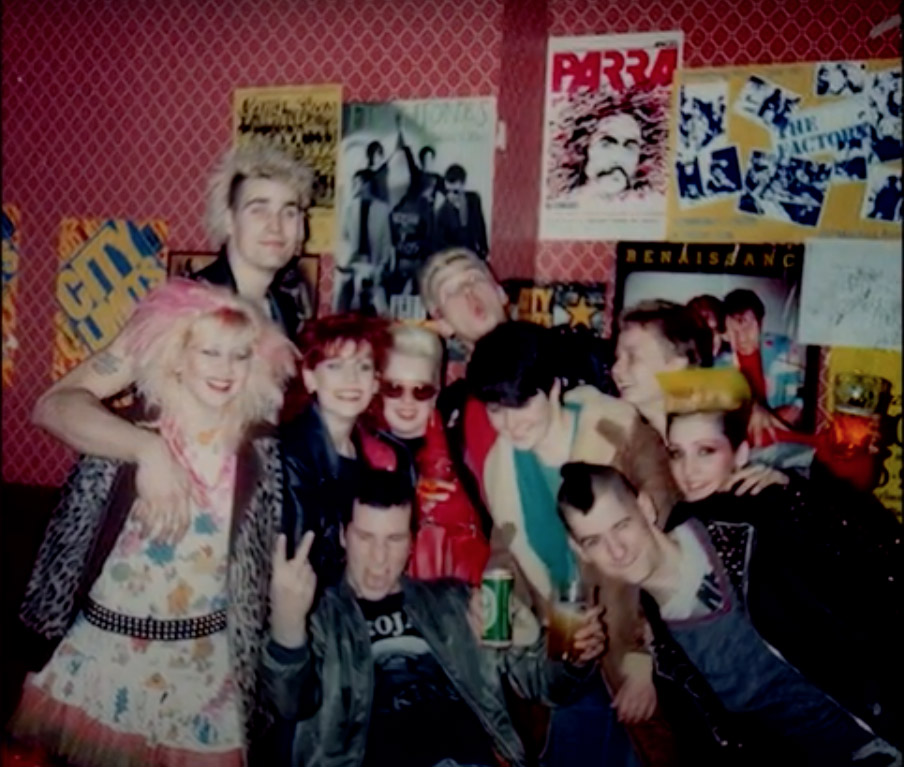
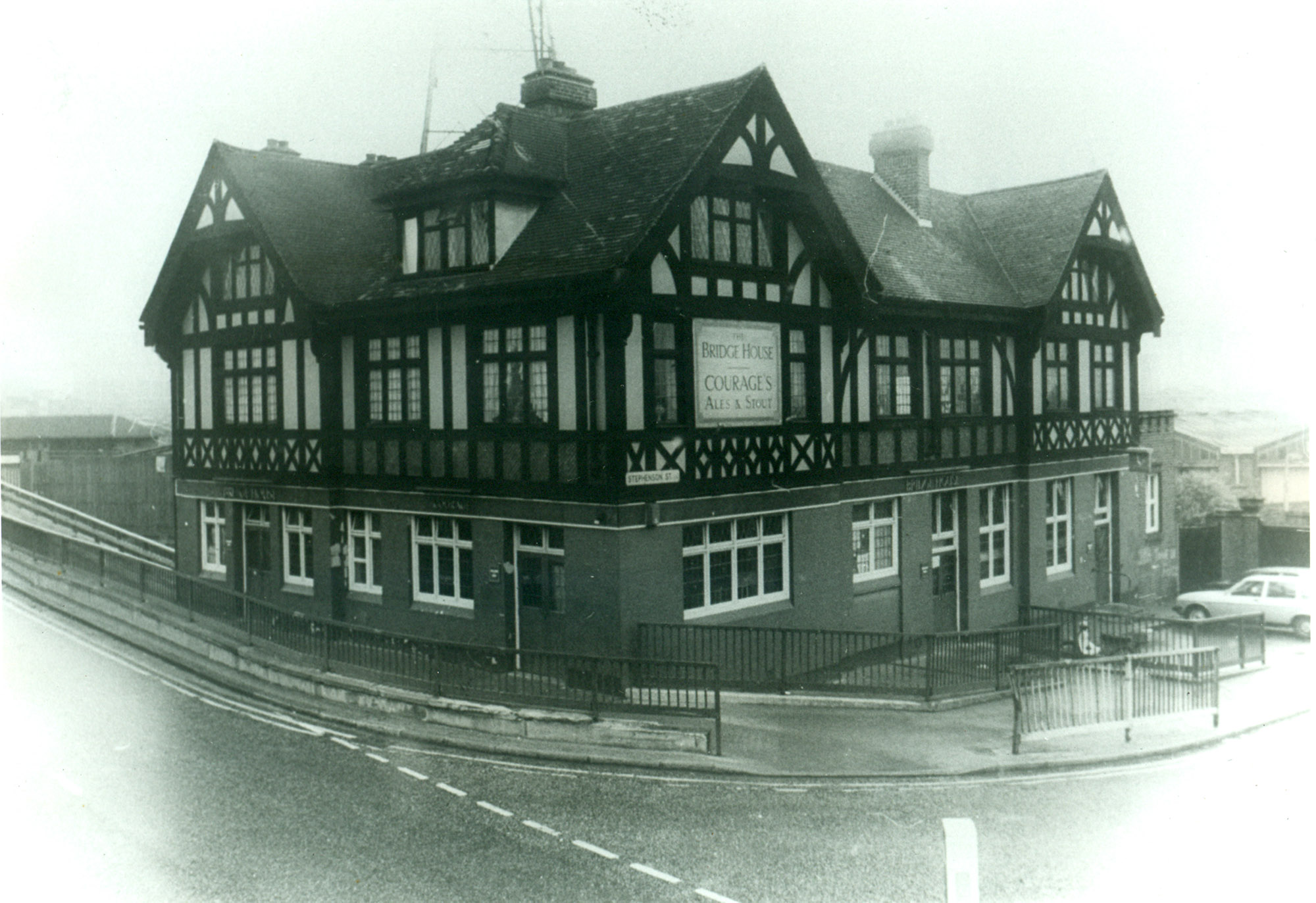
From 1975 to 1982, the Bridge House was one of East London’s most influential grassroots music venues. Run by former boxer Terence Murphy, the pub’s upstairs room became a vital space for new bands, hosting early gigs by Iron Maiden, Dire Straits, Depeche Mode, U2, Crass and Rubella Ballet. With a 560-capacity and a genre-spanning programme—from punk and heavy rock to the mod revival—it attracted punks, goths, skinheads and music fans from across London.
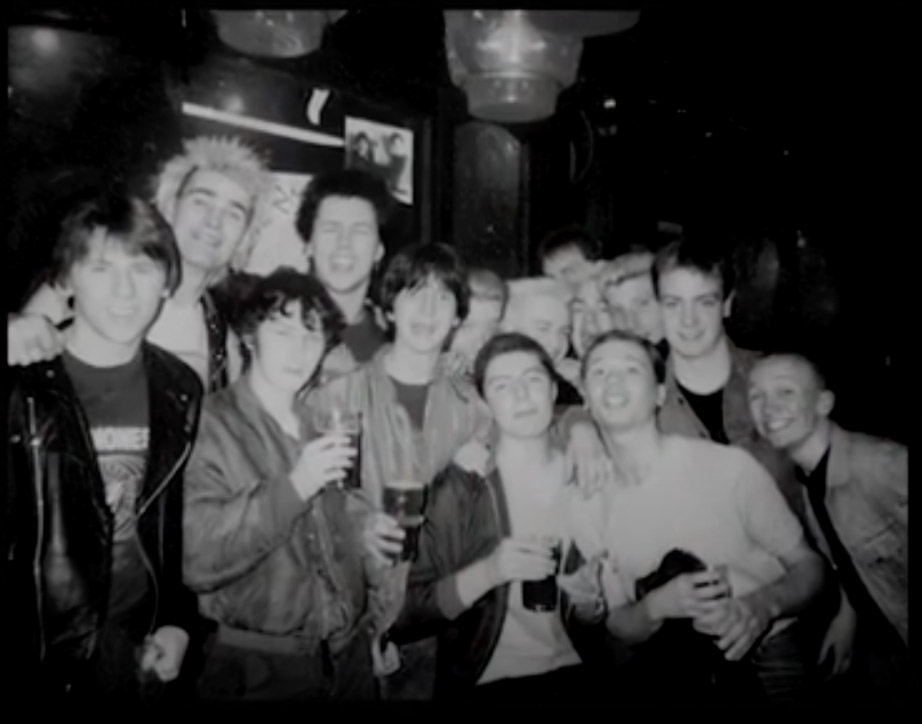
“It was grotty – proper. The venue was like a corridor, long and narrow, 400 people squeezed in. You could hand a pint from the bar straight to the stage. Everyone loved it. The Stones turned up once just to take the piss out of Charlie Watts packing his drums. No one batted an eyelid.”
Steve Fisher
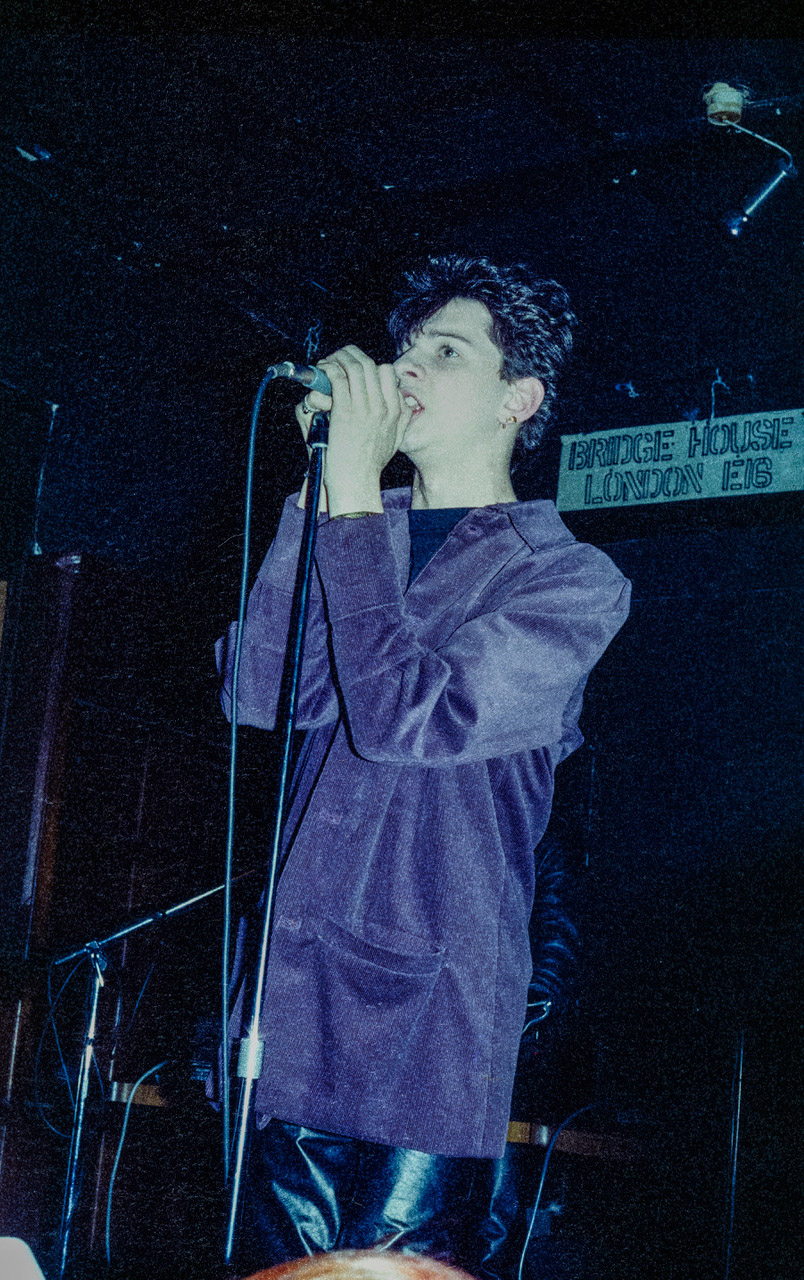
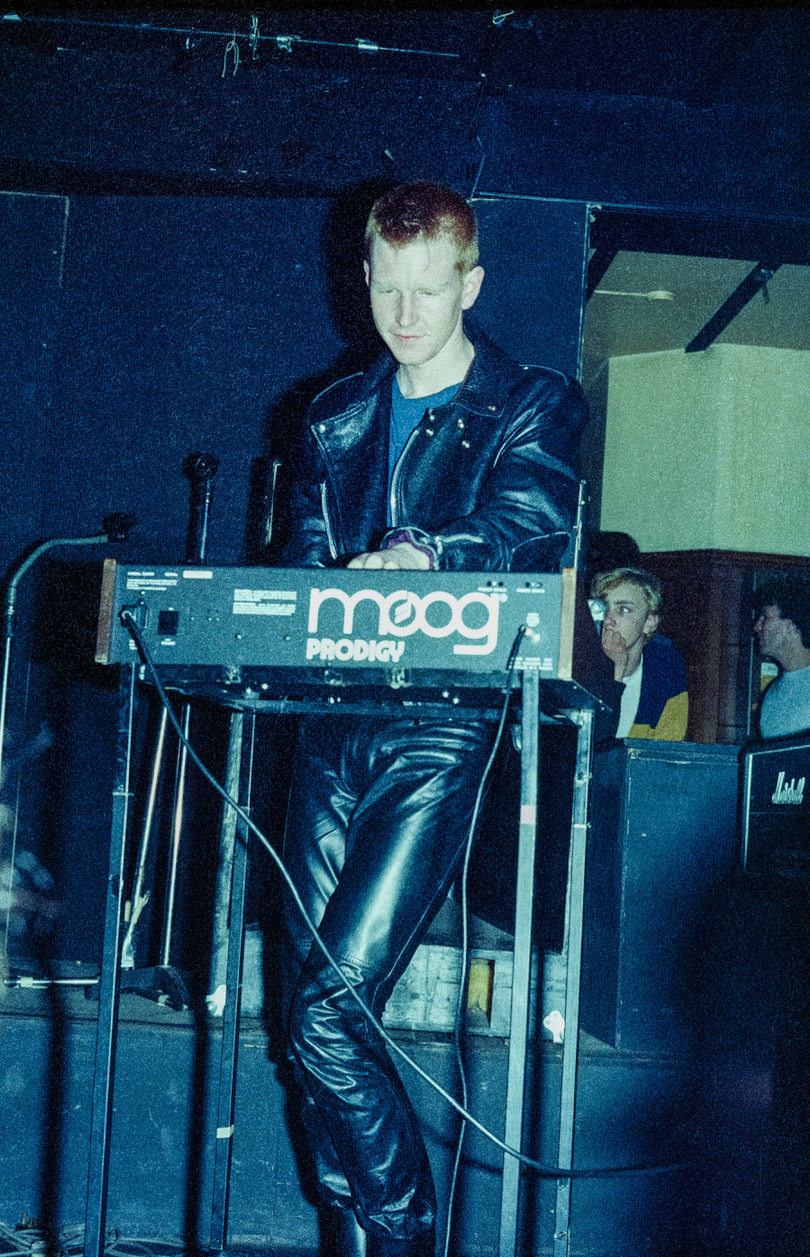
It was also the first pub in the world to launch its own record label. Bridgehouse Records released tracks by emerging bands including Wasted Youth, whose bassist Darren Murphy was the landlord’s son. Another son, Glen Murphy, later found fame as an actor in London’s Burning. Alongside music, the Bridge House hosted daytime drama performances, an expected hub for creativity in Canning Town.
“It was packed, it was fantastic – the first time Crass played at the Bridge House. Everybody knew me, so when Rubella Ballet played too, the crowd went mad. It was full of punks, dancing, singing along – just a pub, but with this incredible energy. It felt like the centre of everything.”
Zillah Minx, Rubella Ballet
Mod rebirth
The Bridge House was also part of the late-1970s mod revival, hosting gigs by bands influenced by 1960s style and sound as punk gave way to a new wave of British youth culture. This BBC news story featured The Bridge House in 1979.
Wasted Youth
Wasted Youth were the Bridge House’s unofficial house band and a key presence in London’s post-punk scene between 1979 and 1982. Fronted by Ken Scott with guitarist Rocco Barker, bassist Darren Murphy, synth player Nick Nicole and drummer Andy Scott, they blended the intensity of punk with the darker atmospheres of the Velvet Underground and Joy Division. Produced by Peter Perrett and Martin Hannett, their 1981 album Wild and Wandering became a cult classic, marking them out as one of East London’s most distinctive and quietly influential bands.
“We were too young to be part of punk – so they branded us post-punk. There was Wasted Youth, Killing Joke, Echo and the Bunnymen, the Psychedelic Furs. We dressed in black, wrap-around shades, lipstick, spiky hair – we kind of pre-empted goth before goth existed.”
Rocco Barker
Oral histories
Zillah Minx
Play audio
Background
Zillah Minx, born 1961 in Birkenhead, grew up in East Ham and co-founded the anarcho-punk band Rubella Ballet.
Transcript
Bridge House was enormous. It was on the corner in Canning Town, so we’d have to get off the bus at the end of… by the by Canning Town market. We’d have to get across that roundabout to the other side to get to the Bridge House. That was always a feat in itself. It was dark, it was dingy. It was in the middle of a motorway, basically, it seemed like- so it seemed like it was the middle of nowhere, but when you got in, it was packed, and it was full of people, probably quite young, like me, 15 year olds. But at one time it was just full of punks. But it also used to have that old fashioned music that they used to play, middle of the road stuff, like bands I can’t remember. So there was a sort of a mixture of the old guard as the new punk stuff came in. And it was only because of Darren Murphy, the son of the owner, that he was allowed to do punk gigs. We played there. We played there with Crass, Rubella Ballet. Played with Crass and, yeah, it was every punk band, so The Damned UK Subs, obviously, nearly every band that was on the list, really, I would have thought even bands like Duran, Duran and Depeche Mode, they all played there.
It was packed. It was fantastic, because it was the first time that Crass played at the Bridge House. And everybody knew me. So when we played, Rubella Ballet played there, as well, they all knew us. So, yeah, it was packed. It was amazing. It was really good. It was always before. So people dancing and singing along, and, yeah, it was good.
Maggie Tambala
Play audio
Background
Maggie Tambala, born in the 1960s in Newham, is a singer and musician with A.R. Kane and a member of Ahimsa Productions, who organised underground trance parties.
Transcript
We didn’t have any lipstick, we really had to try to make ourselves look old. So we had Smarties, and we got the red Smarties [laughs] and I said, ‘Look, this works’, so we had these bright red lips. But they let us in. And I saw Wasted Youth, and I remember having to go to school the next day, and I thought, this is really sad, because I can’t share this with anyone, because no one would appreciate what I have just seen. It was fantastic. It was wild. It was punky. It was post punk. It was wild, the energy, the guitars and the vocals, everything. It just worked for me. You know, it was an older crowd, and it was a very different crowd to anything that I had been used to kind of punky, rather than smooth-cut soul or the dub scene, which was very, very cool, and everyone’s, you know, just sort of dressed up, really casual, you know, it was, it was raw. It was a raw energy.
Steve Fisher
Play audio
Background
Steve Fisher, born 1961 in Plaistow, worked at the Bridge House running gigs and later built a career in film and sound production.
Transcript
It was, I think it was kind of Georgian ish. It was a big, big, big old pub. But then the bit, initially, when I was going there, the bit that was the venue, was like a corridor. So it was a really long, thin stage, and you could almost- I think you could probably take a pint off the bar and hand it to someone on the stage without having to move your feet. It was that narrow, but it would then they’d have 400 people squeezed into that tiny space.
Bronweyn Eldrige
Play audio
Background
Bronwen Eldridge, born 1961 in Barking, is a retired teacher involved in Forest Gate’s live music scene.
Transcript
Oh, it’s great, yeah, it was, I mean, it was just a pub. It was kind of tatty and a bit scruffy, not very big, you know. But had a decent stage, decent music. It had quite a history of being a rock venue. So, you know, it felt quite exciting. It felt more central London-ish, you know. But even though it was sort of out of London. So, yeah, you’d be standard rock bands, R&B bands, but they did showcase quite a lot of punk bands, so it was quite exciting. So I saw The Damned there and Sham ’69 and possibly a few other more minor ones. And then when the sort of mod revival happened on the back of that, they used to have a lot of sort of mod revival bands, there as well. Yeah, it was very exciting. And just get there by the bus, you know, and it’s cheap, it’s just exciting.
And I think they were kind of secret gigs, because I think they’d sort of become a bit famous [e.g. Depeche Mode], but they still, now and again, would pop up a small venue, but under a slightly different name, so only the fans would you know, because obviously, only heard about these things through music press or word of mouth at the time, because obviously we didn’t have social media, and it would be a name that, perhaps would be one of their tracks, or something like that, and you’d go hang on, you know, and sort of work it out.