
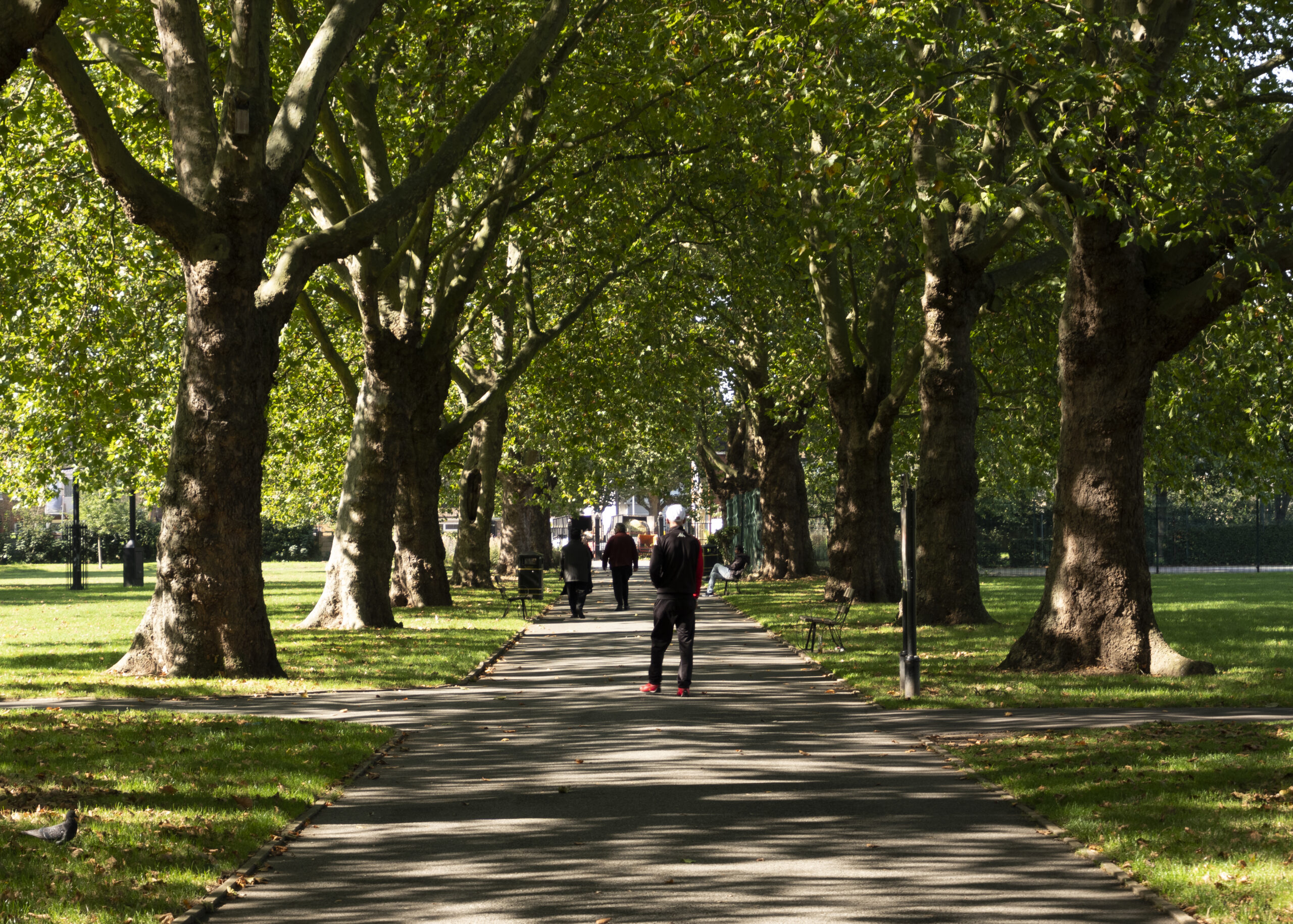
From protest ground to a powerful celebration of anti-racist unity
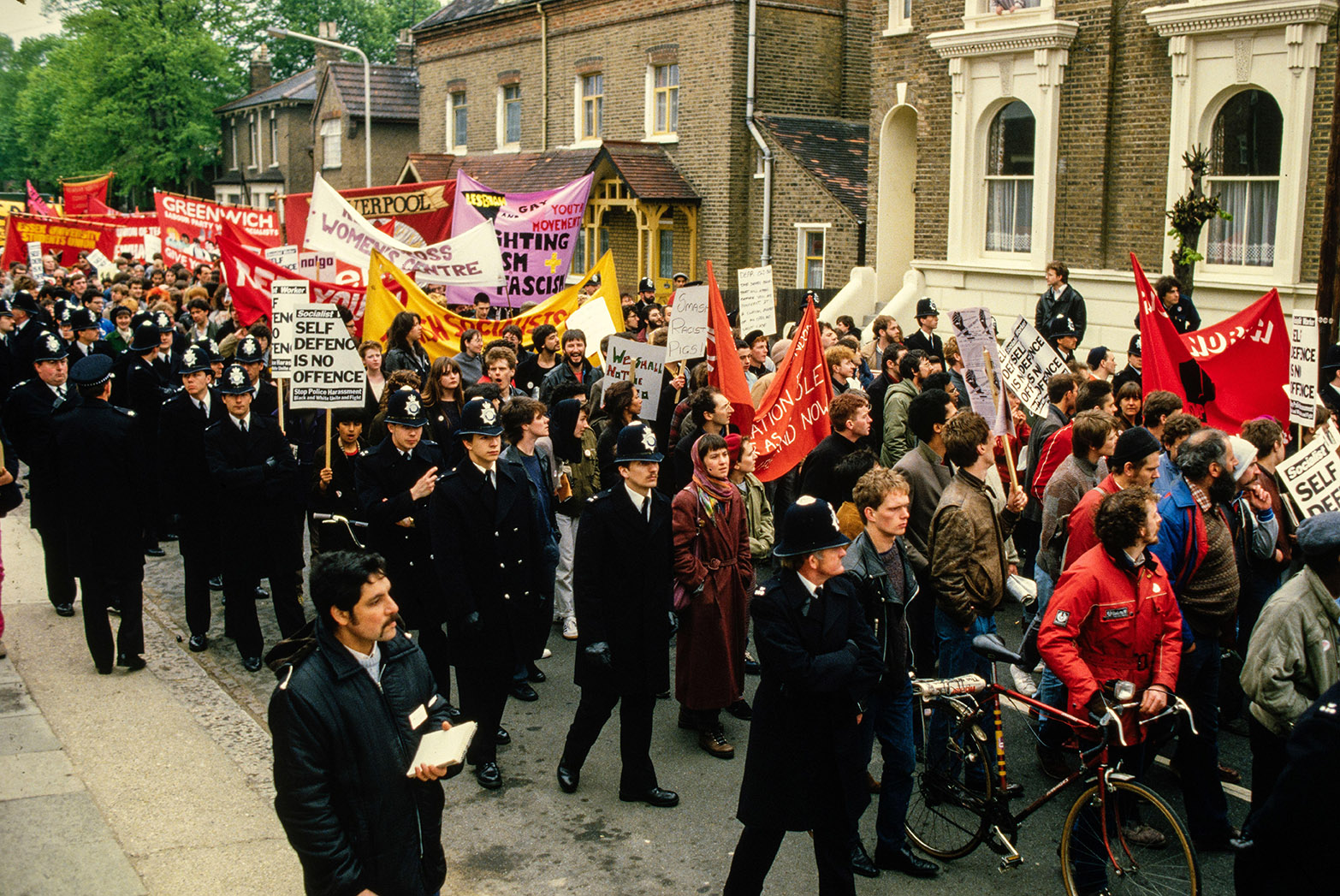
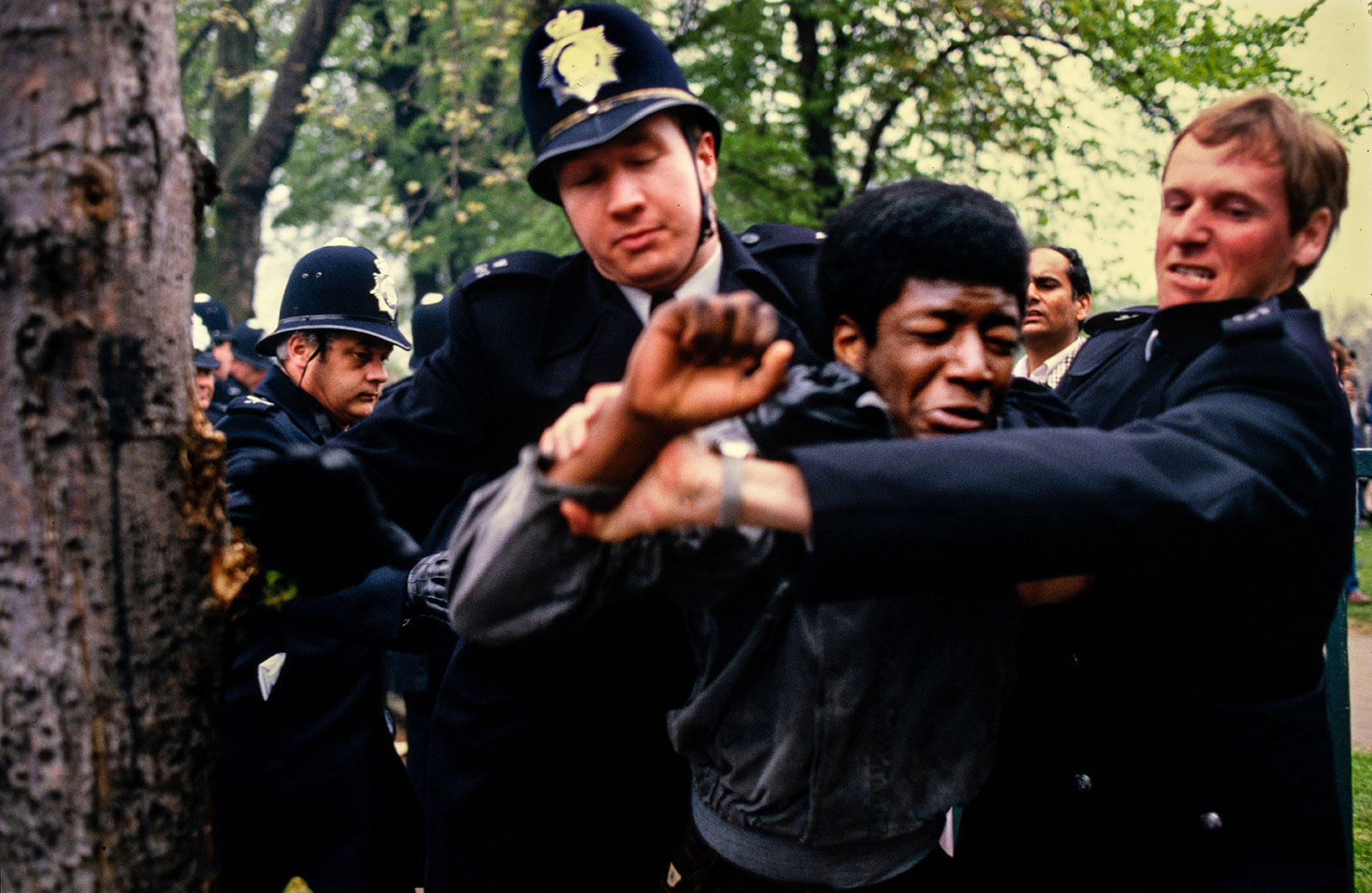
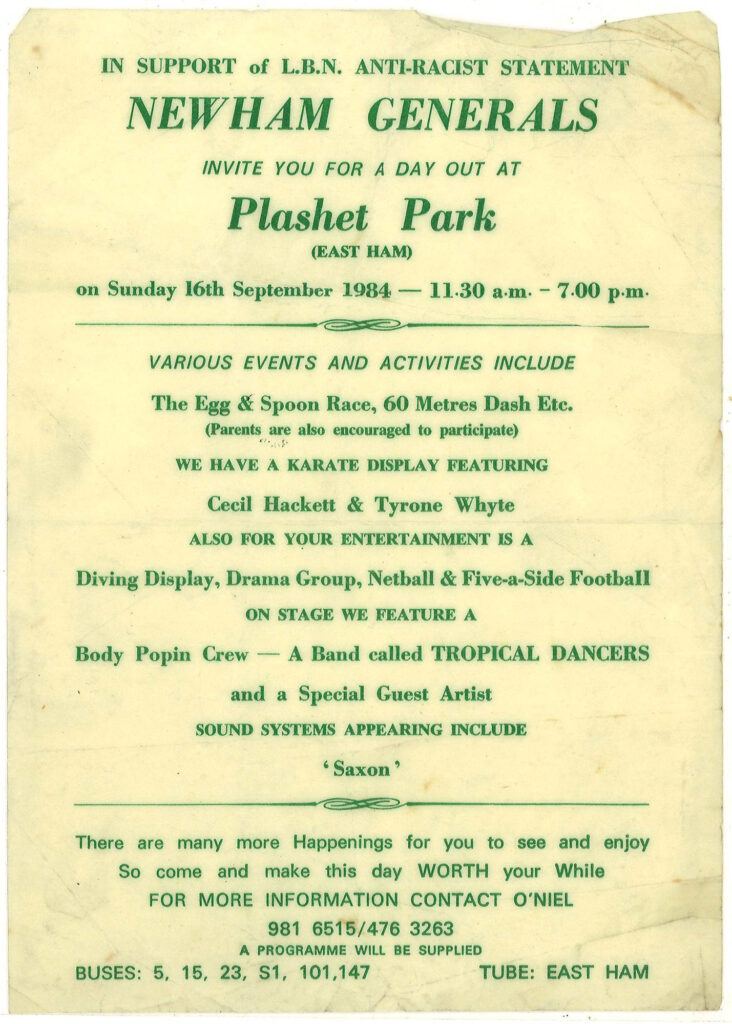
Plashet Park in East Ham was more than a community green space — it became a hub for Newham’s Black and Asian communities, a beacon for both political action and music. During the 1980s it was the site of several significant anti-racist gatherings. In 1984, an anti-racist event featuring Saxon Sound System drew huge crowds, remembered by Robert Watson as the park “heaving with people.” The following year, a peaceful anti-racist march of over 2,000 people ended in violent clashes when police charged demonstrators inside the park.
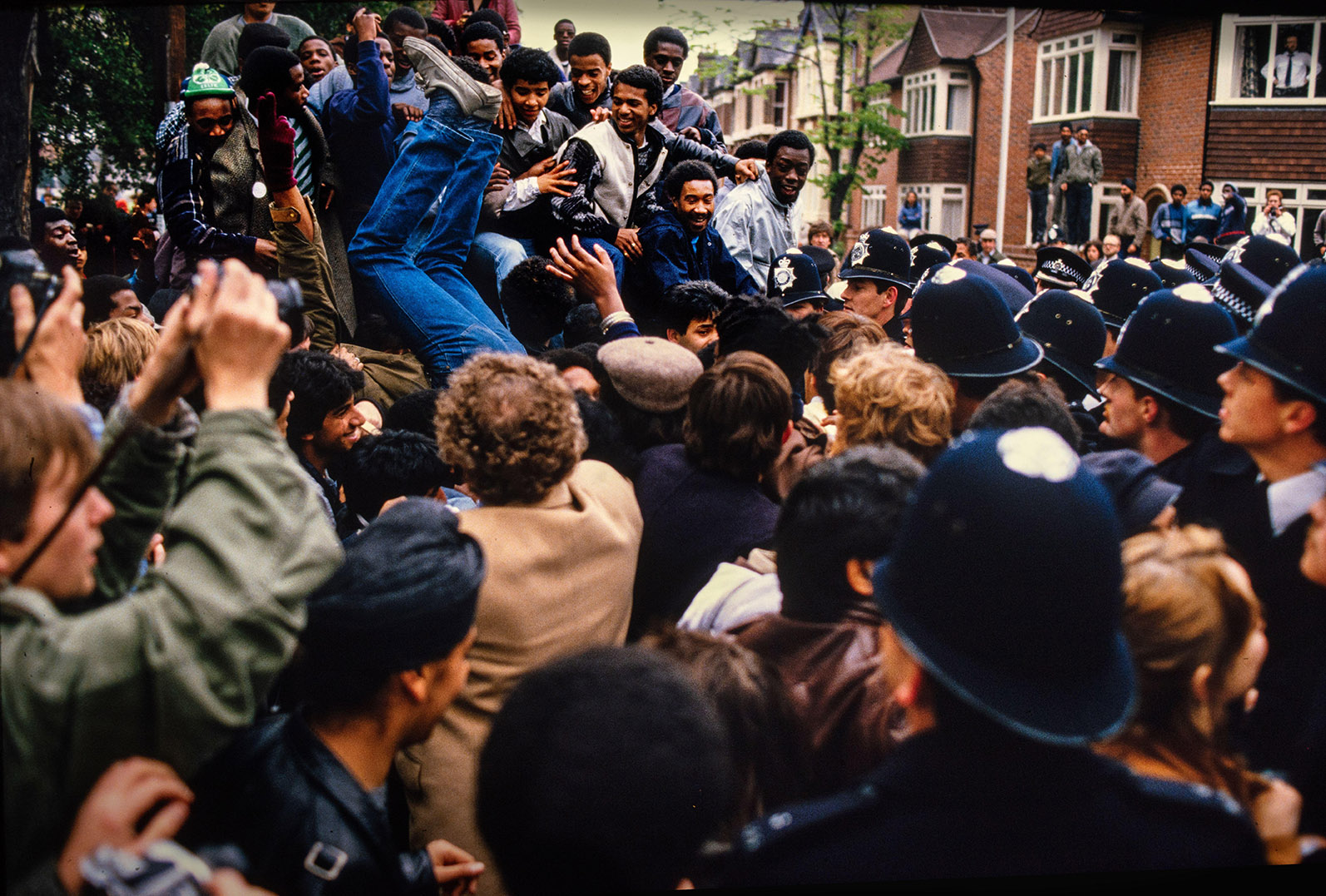
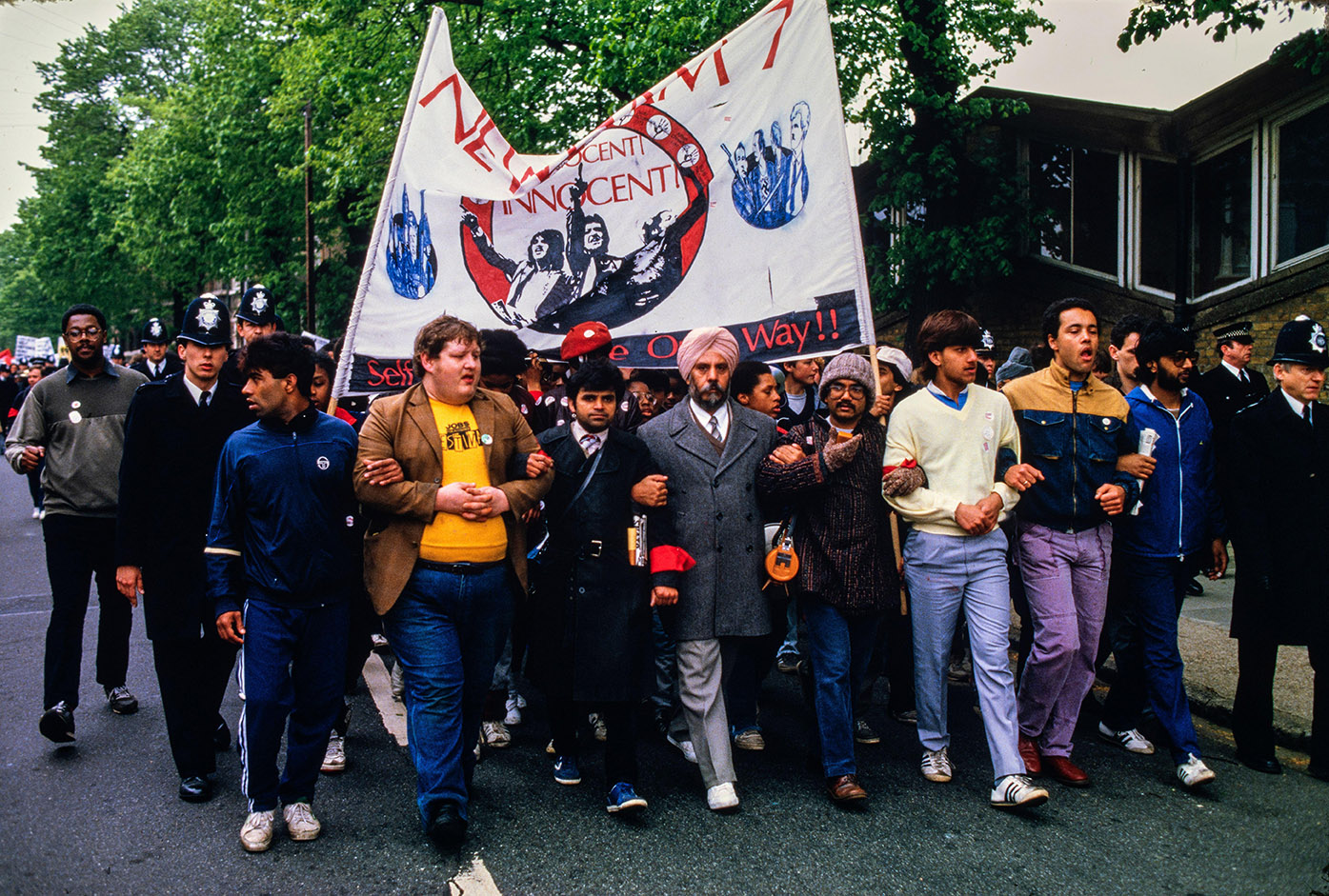
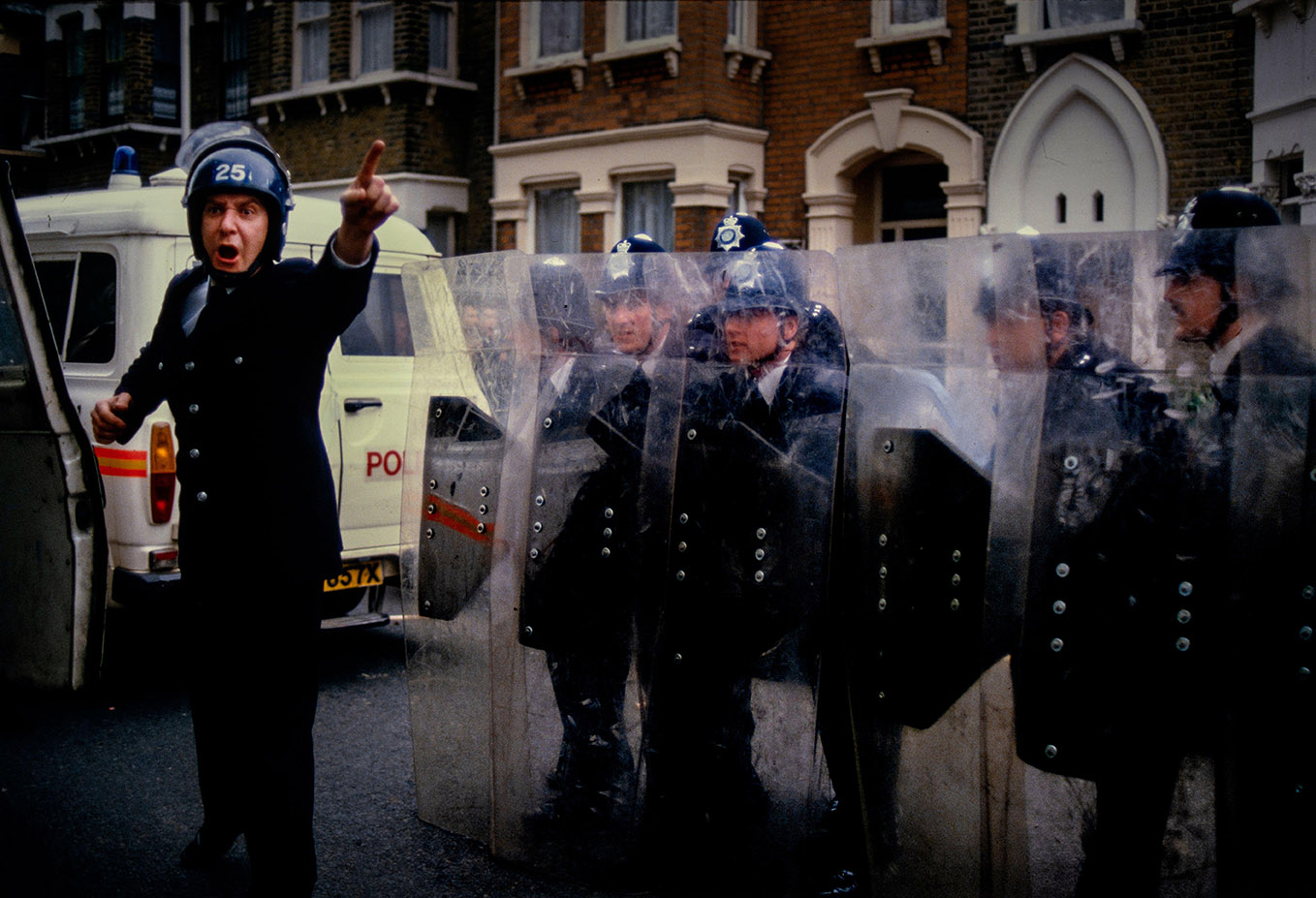
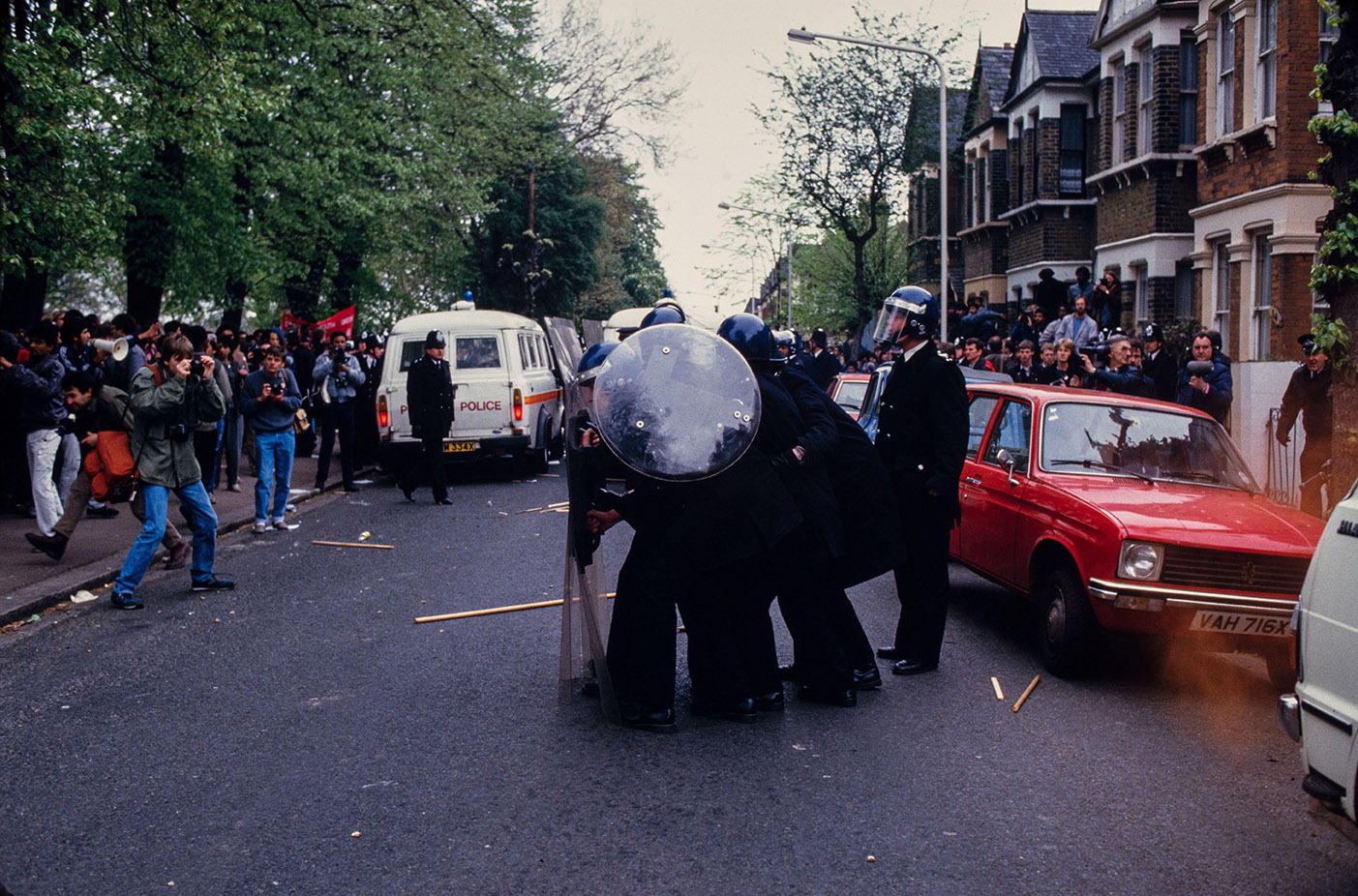
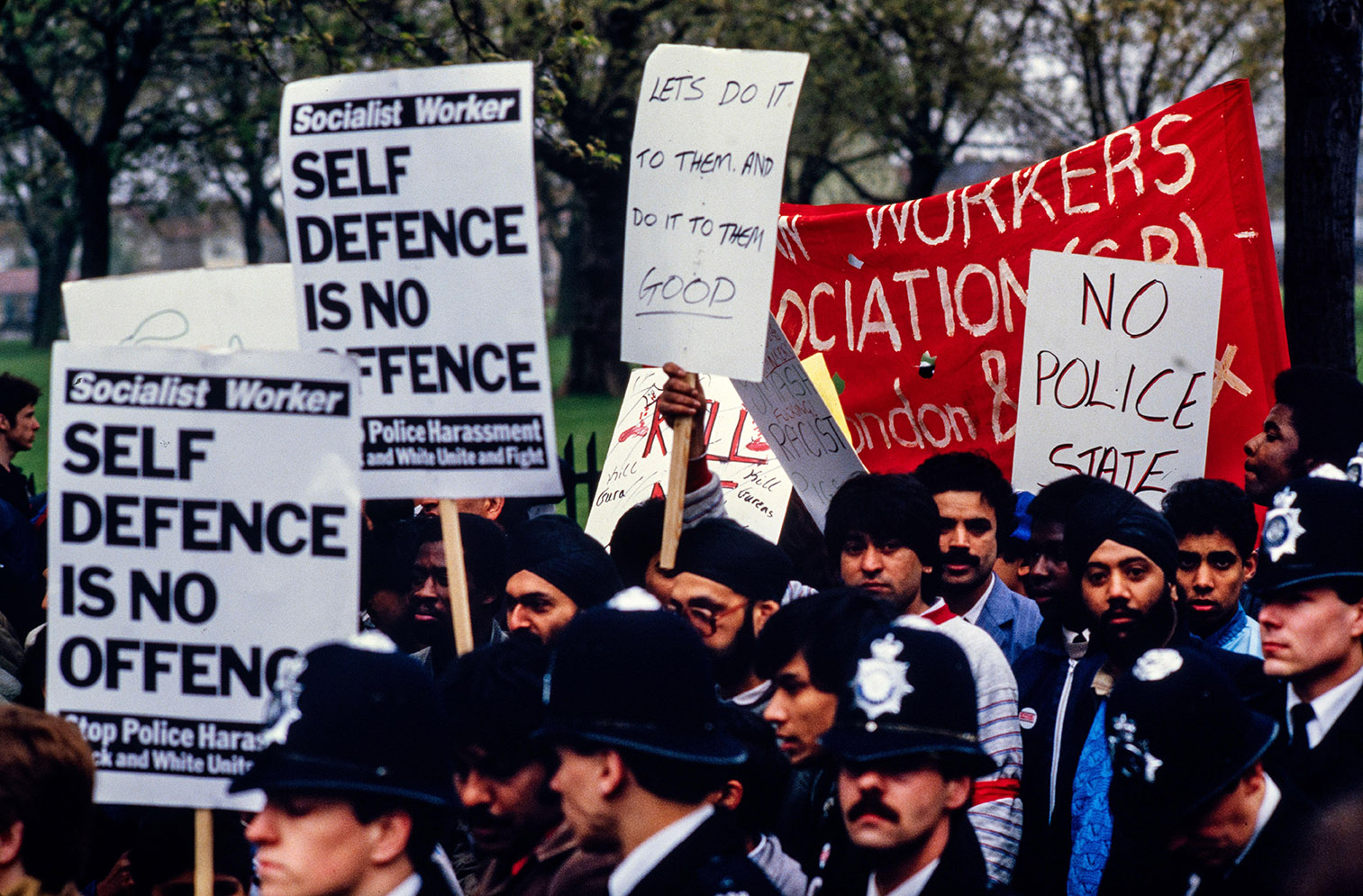
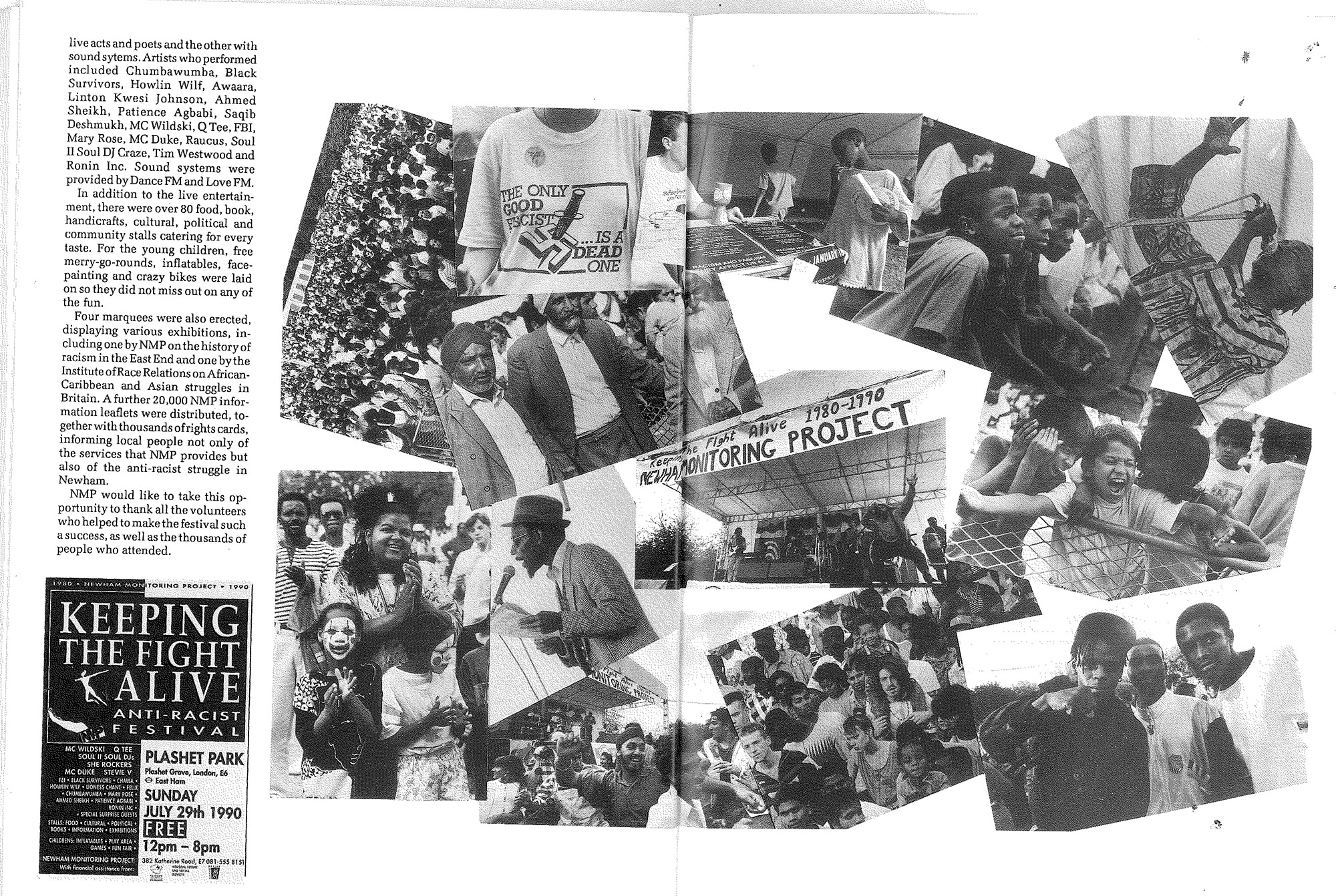
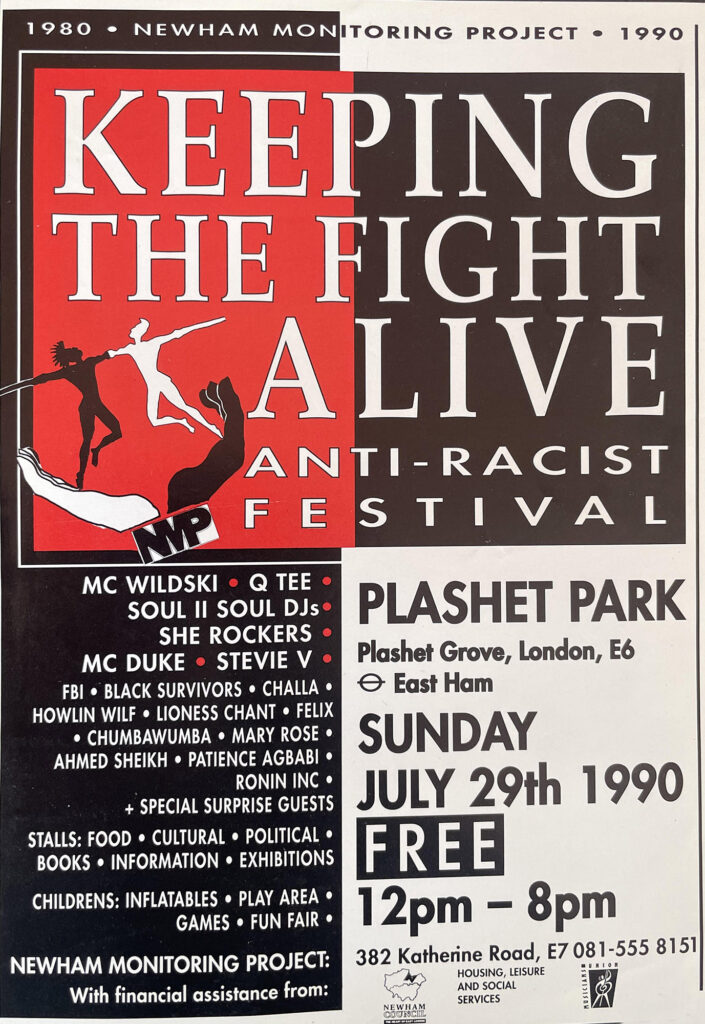
It was for these reasons that Newham Monitoring Project — a grassroots anti-racist organisation founded in 1980–81 to support victims of racist attacks and challenge institutional racism — chose Plashet Park for its tenth anniversary festival in 1990. Keep the Fight Alive brought more than 15,000 people together for one of the largest anti-racist events ever held in Newham. With two stages for live music and sound systems, stalls, exhibitions and children’s activities, the day featured performances from Linton Kwesi Johnson, Soul II Soul, MC Duke, Chumbawamba and Tim Westwood. By requesting no police presence, organisers ensured the park — once a place of confrontation — became a place of joy, solidarity and celebration.
Oral histories
A space for public gatherings
Rob Watson
Play audio
Background
Rob Watson, born 1968, is a Newham resident, music enthusiast and record collector who came through Eastlea Community School and Youth Club, and Newham’s vibrant 1980s club scene.
Transcript
And if it was outside in the park, and it was a warm day, the park would have been heaving with people, as a collective of people of colour, we would generally tend to move around quite a lot together. Normally, things like that would happen because there’d been an issue. So once we’d heard there was an issue, everyone went. We didn’t really have any other form of communication, but word of mouth, lots of things got around. So you you knew if someone was attacked because someone say, ‘You know such and such’, or it would become an issue at the next thing and people, yeah, we had that strong solidarity, I’d say, at that time.
Newham Monitoring Project & Keep the Fight Alive, 1990
Unmesh Desai
Play audio
Background
Unmesh Desai, born 1959 in Baroda, India, co-founded the Newham Monitoring Project in 1980 organising anti-racist campaigns and cultural festivals in the borough.
Transcript
And the Newham Monitoring Project was formed in 1981, around the same time ’80, ’81 because there was no data on racist attacks. The idea was to start monitoring things, because that way agencies had to accept the reality of life. Because until then the official line was that these attacks are exaggerated, there was institutional indifference, the police in particular, but also Newham Council. The idea was to start recording data, encouraging self-organisation, making people aware what’s going on, give help to people who are racially attacked. So I started working as a first worker in the summer of 1982, June 1982 from memory. And amongst other things, we set up the countries,first, 24 racial help hotline. That was to mark 10 years [the event]. I remember we had a 10 year t shirt with a graphic of various anti racist sort of events. We took almost half of Plashet Park, stalls, food exhibitions, cultural displays on the stage. There were many local bands from all parts of the world to reflect Newham’s community. It was, yeah, nice summer day.
Cilius Victor
Play audio
Background
Cilius Victor grew up in Forest Gate, attended Newham Academy of Music and was active in the Newham Monitoring Project.
Transcript
So Plashet Park is a it’s in the heart of one of Newham’s strong communities, you know, there’s a big Asian community and there’s lots of Afro Caribbeans around, but it’s the Black community. Plashet Park, it was also the place where we had had previous clashes with the police and from the previous big demonstrations that we’ve had, and so so it was, it was a way for us to say, ‘Hey, look, this is our neighbourhood. This is where we live, and this is our park, and we’re going to have some recreational moments in this park. It’s not just about cracking heads, it’s about having some fun. And we wanted to have fun. We wanted to make it a really nice, pleasant day. We used our own political pressures to say, this is what we, the community, want. So we pushed and basically said, ‘Look, we’re going to do this. This is what we need. This is how we’re going to do it, and we are going to control it. We are going to decide x, we are going to decide y’.
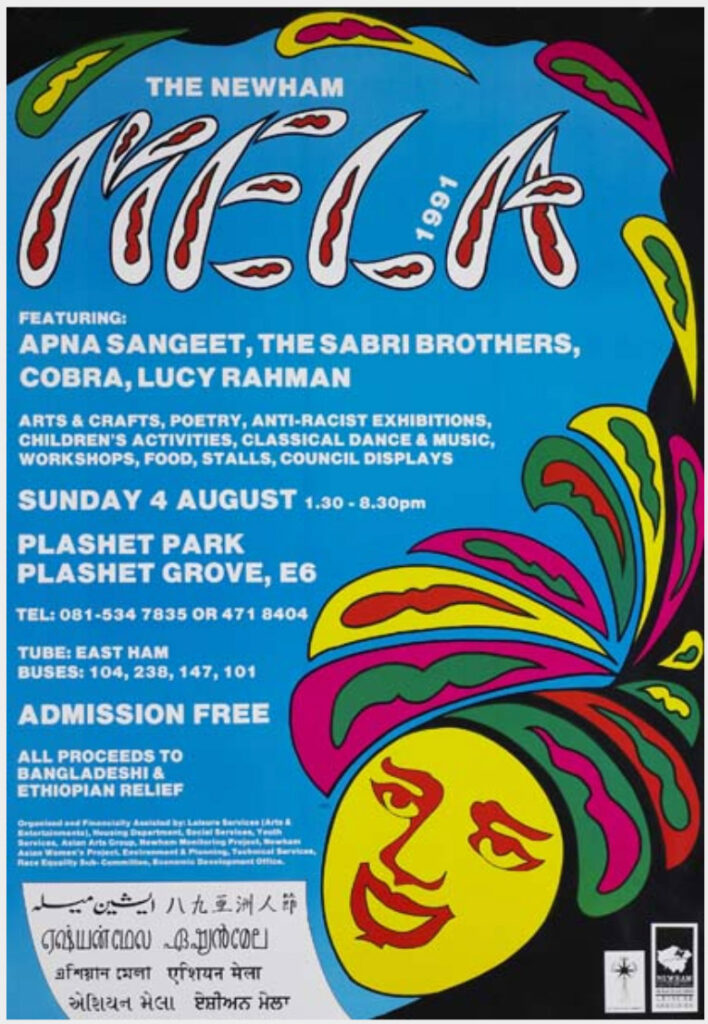
My memories of the day was, was just running around, just doing a lot of work, because, because I was more concerned about the back end, making sure everything was running smoothly behind the scenes, yeah, so I didn’t spend much time partying. The little bit of partying came at the end, right after we’d cleared up the park and everything was done that event also triggered what was to become the Asian mela, after our event, which lasted only a few years.
Newham Mela, 1991
Sreejith Sreedharan
Play audio
Background
Sreejith Sreedharan, born 1972 in Kerala, is a long-time organiser at Kerala House in Newham and co-founder of the Nisari music troupe.
Transcript
Plashet Park, they used to do Asian mela at that time. I don’t know the exact years, during the 90s, the Asian population were moving into Newham, and someone had the idea of doing an outdoor mela, like an Asian mela. Mela is basically anything goes. It’s like a festival. It’s like Nottinghill Carnival, Carnival, more like it. So I think the first one was held in Plashet Park, and it grew. It grew such a large size, we had to shift about there to shift it to Wansead Park.