
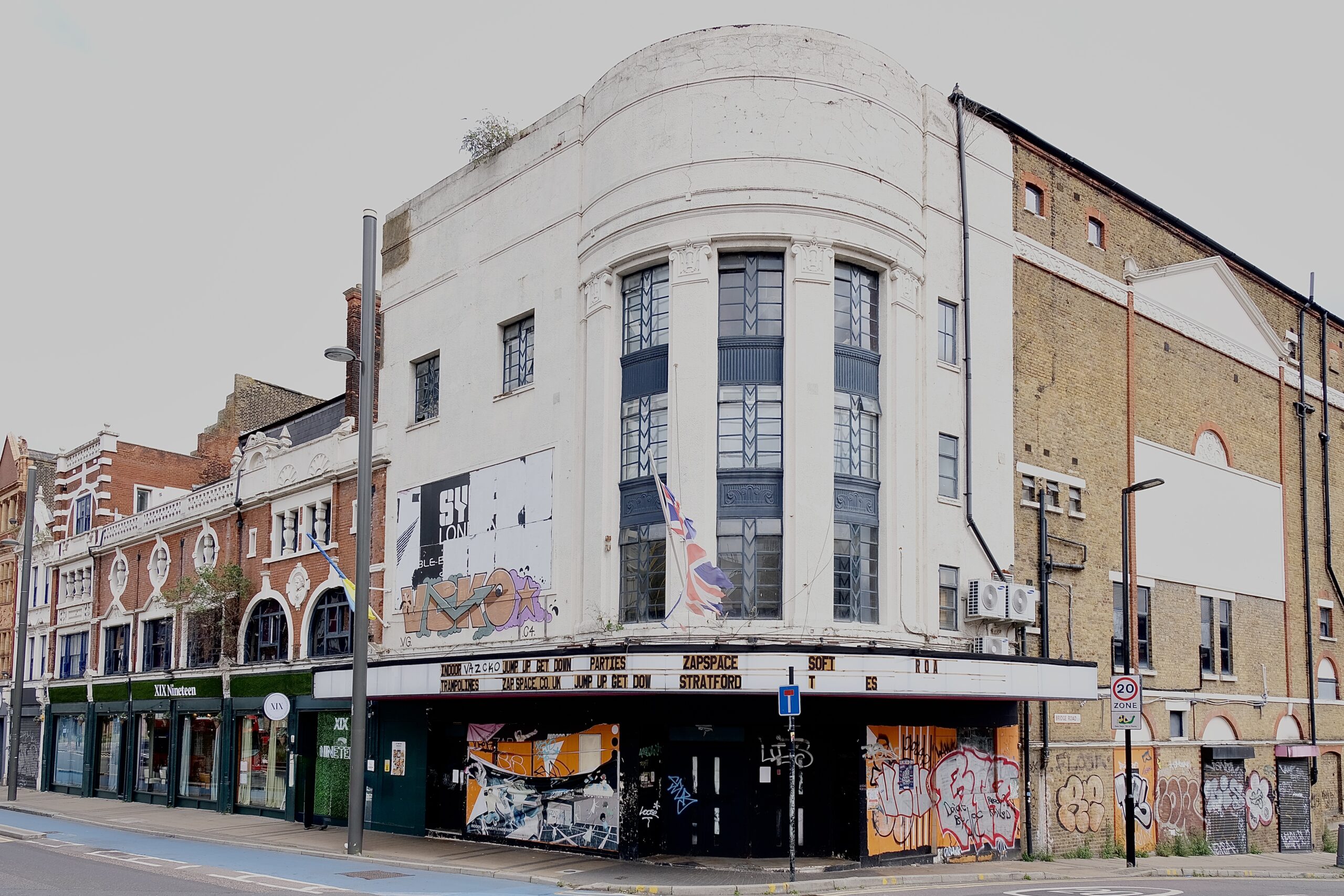
Reggae, rave and grime landmark on Stratford High Street
The Rex opened on Stratford High Street in 1896, originally as a theatre and opera house. It was remodelled in 1933 as the Rex Cinema, which closed in 1969. After a short period as a bingo hall, the building returned briefly to cinema use in the mid-1970s and then operated through the 1980s as the Ace Cinema, also hosting reggae nights. A fire in 1975 left large parts of the building disused, and for over twenty years it stood semi-derelict at the heart of Stratford. In 1996 local promoter Kenny “Sting” King, with partners Alan Harris and Malcolm Campbell, led efforts to restore the venue, investing heavily to reopen it as a large-capacity entertainment space, later known as Stratford Rex.
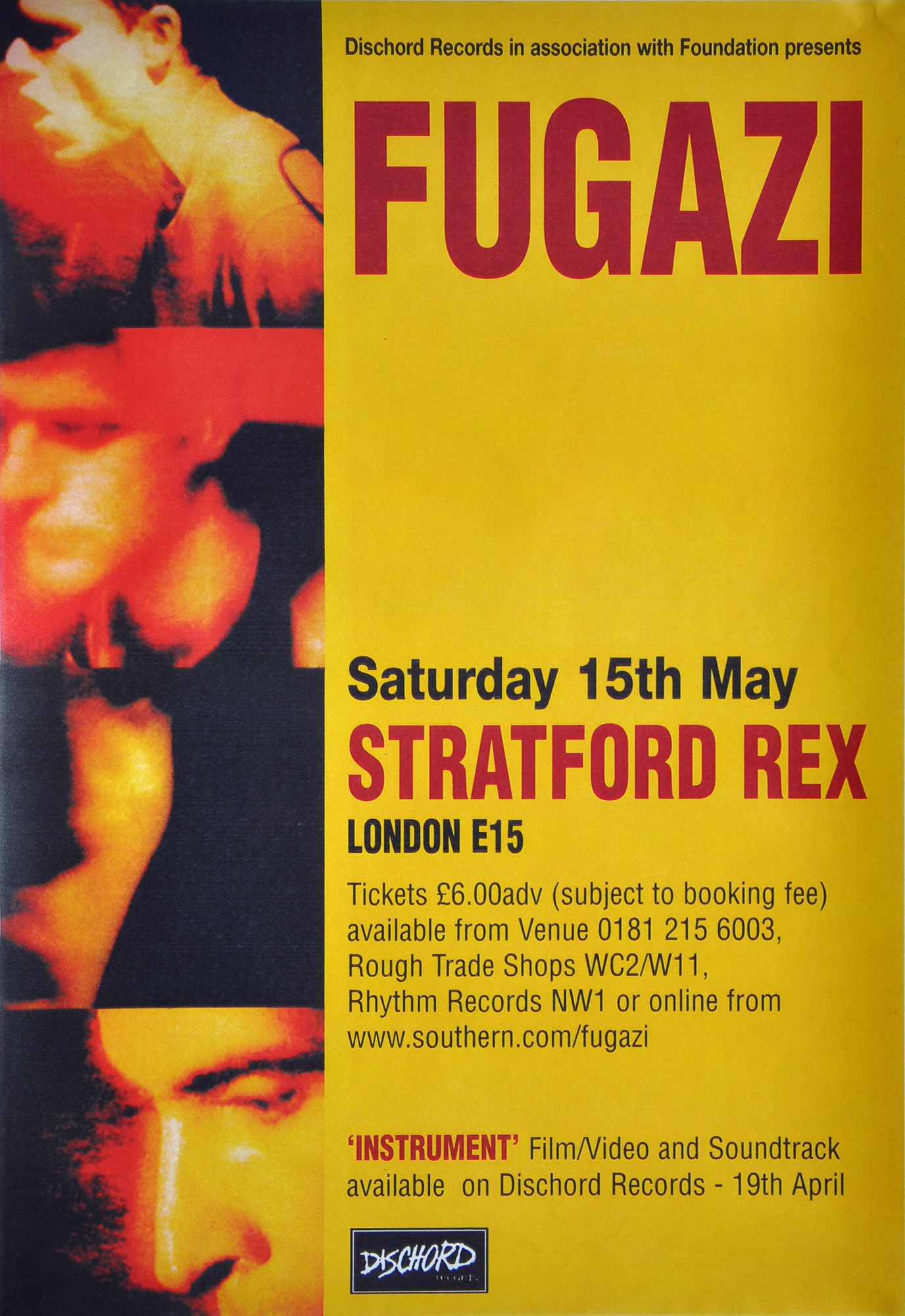


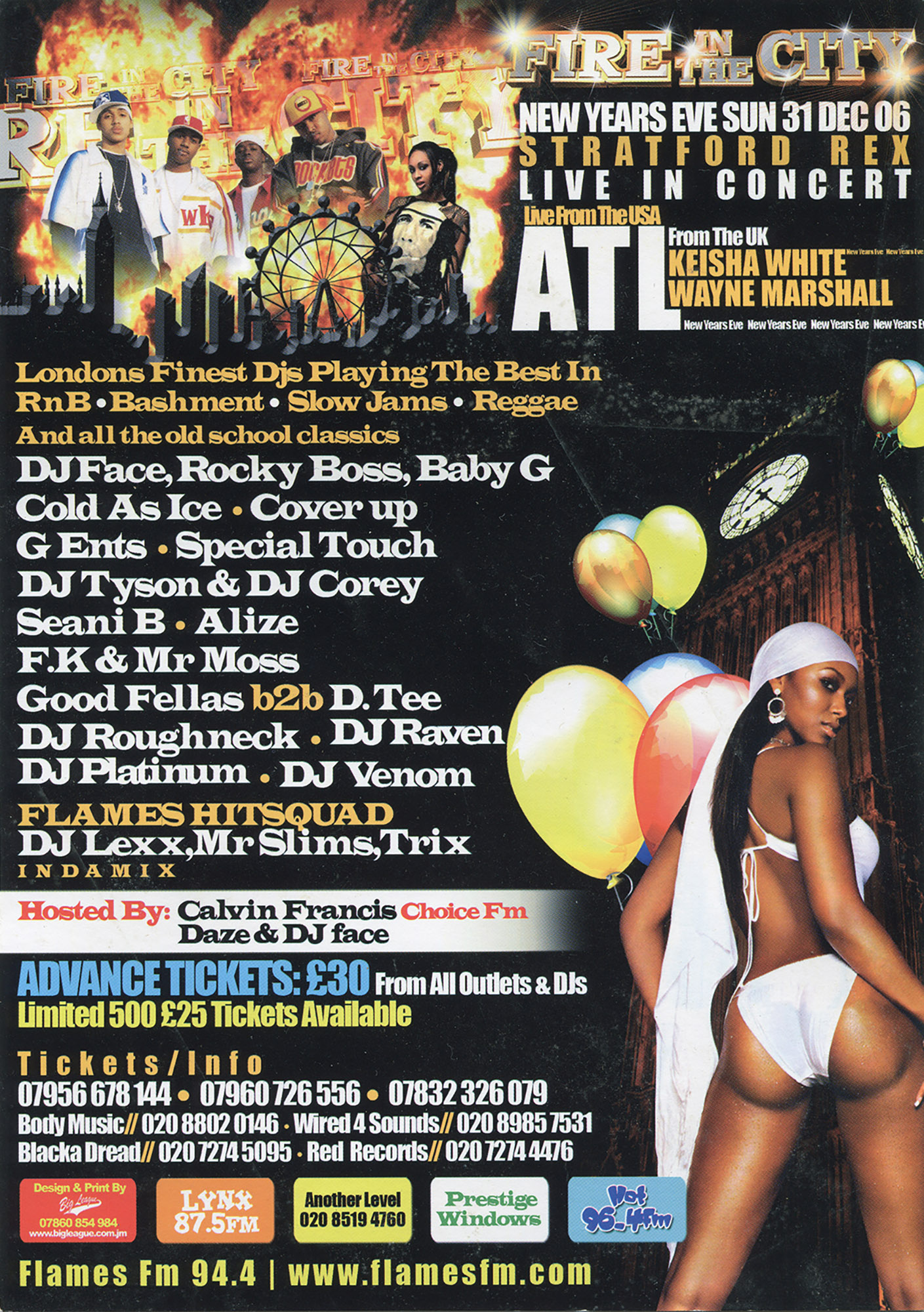
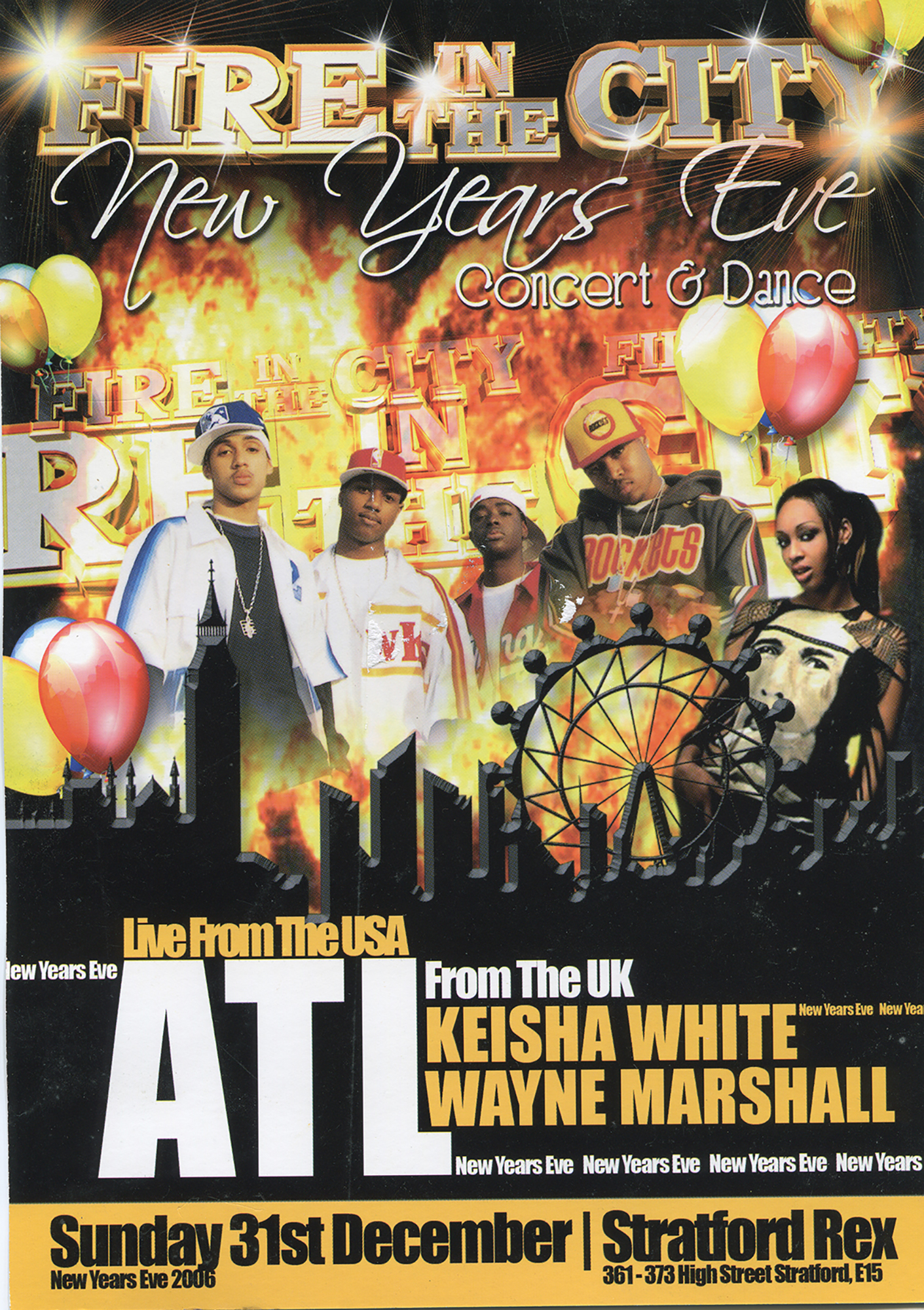

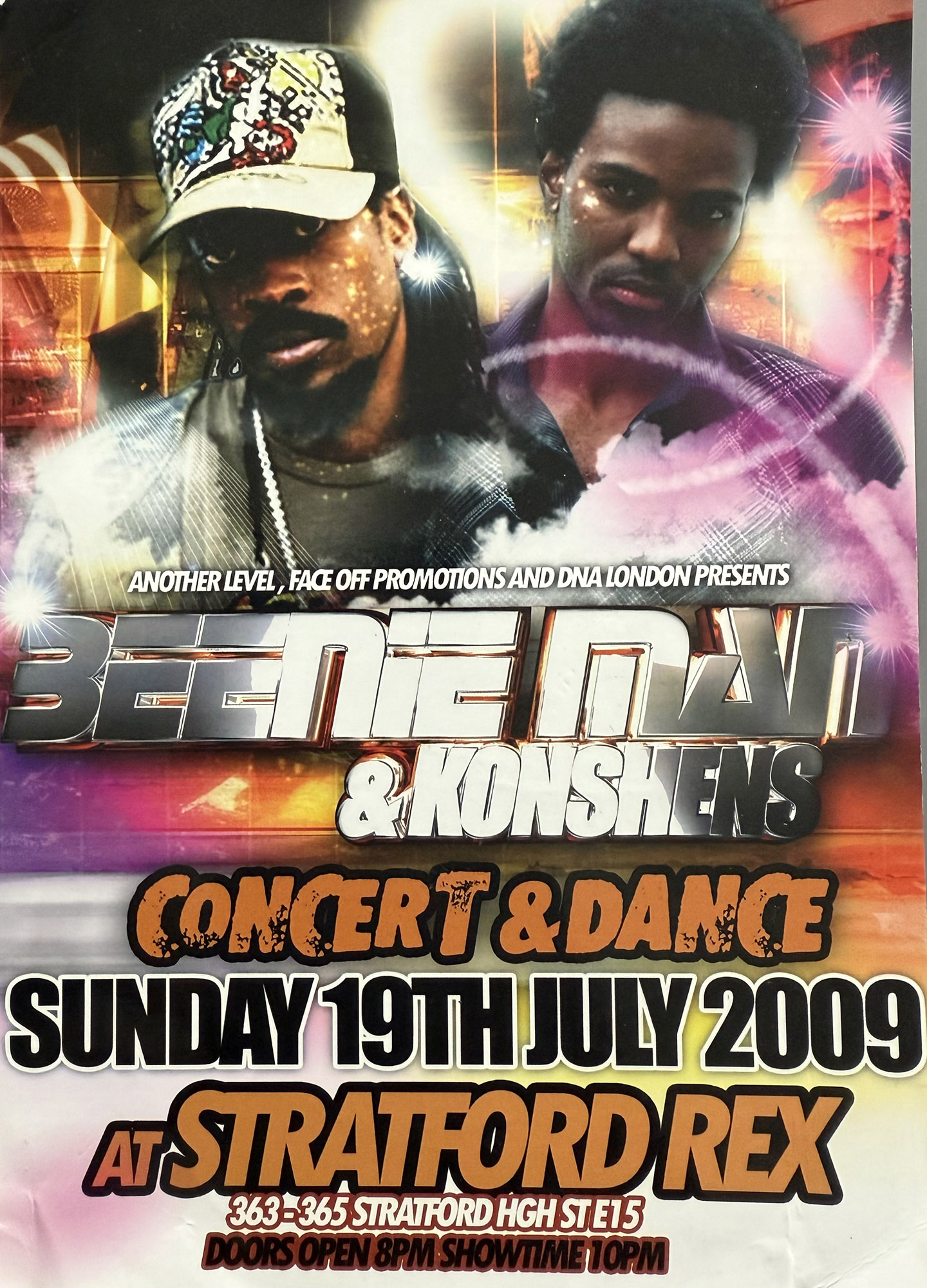

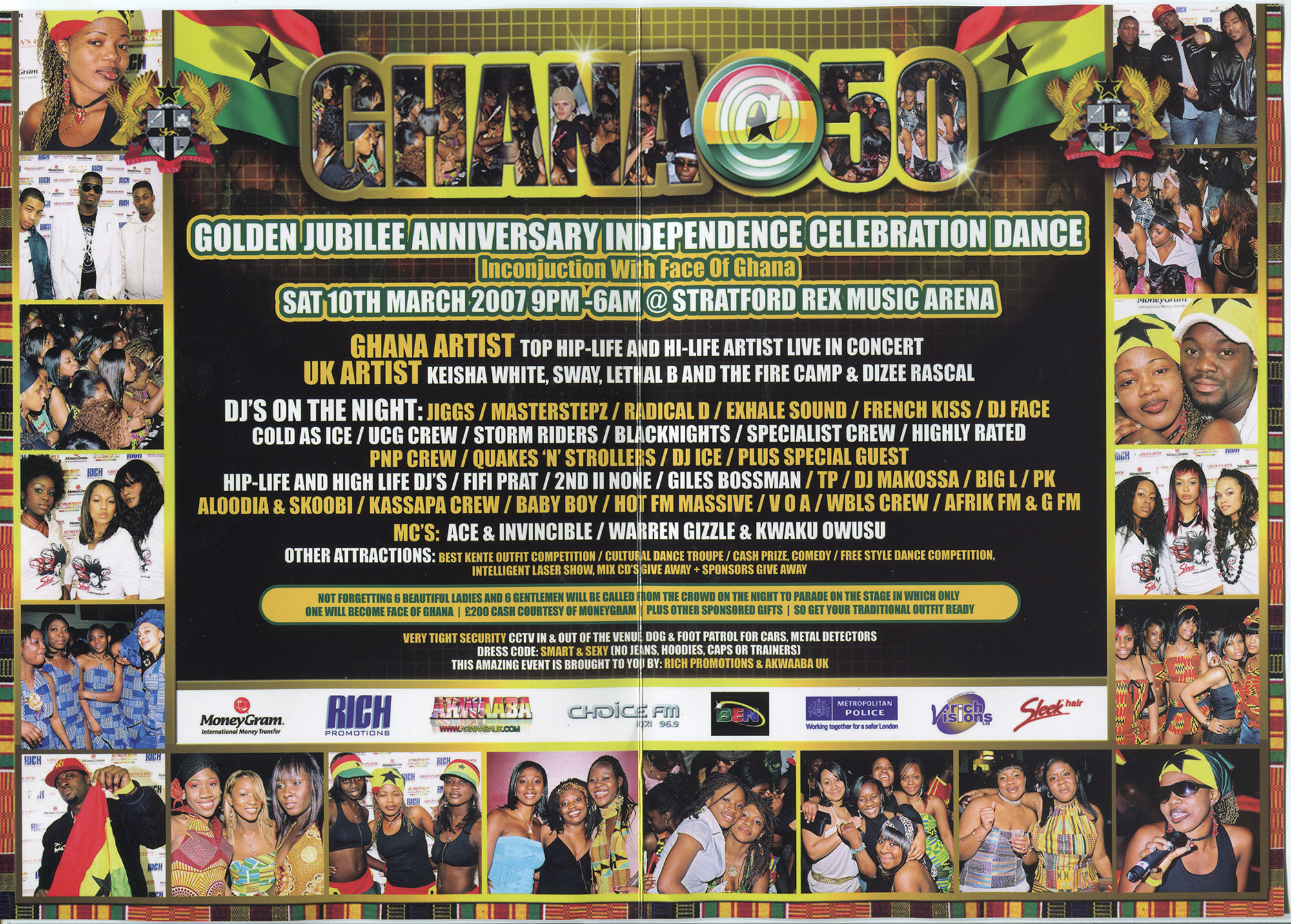
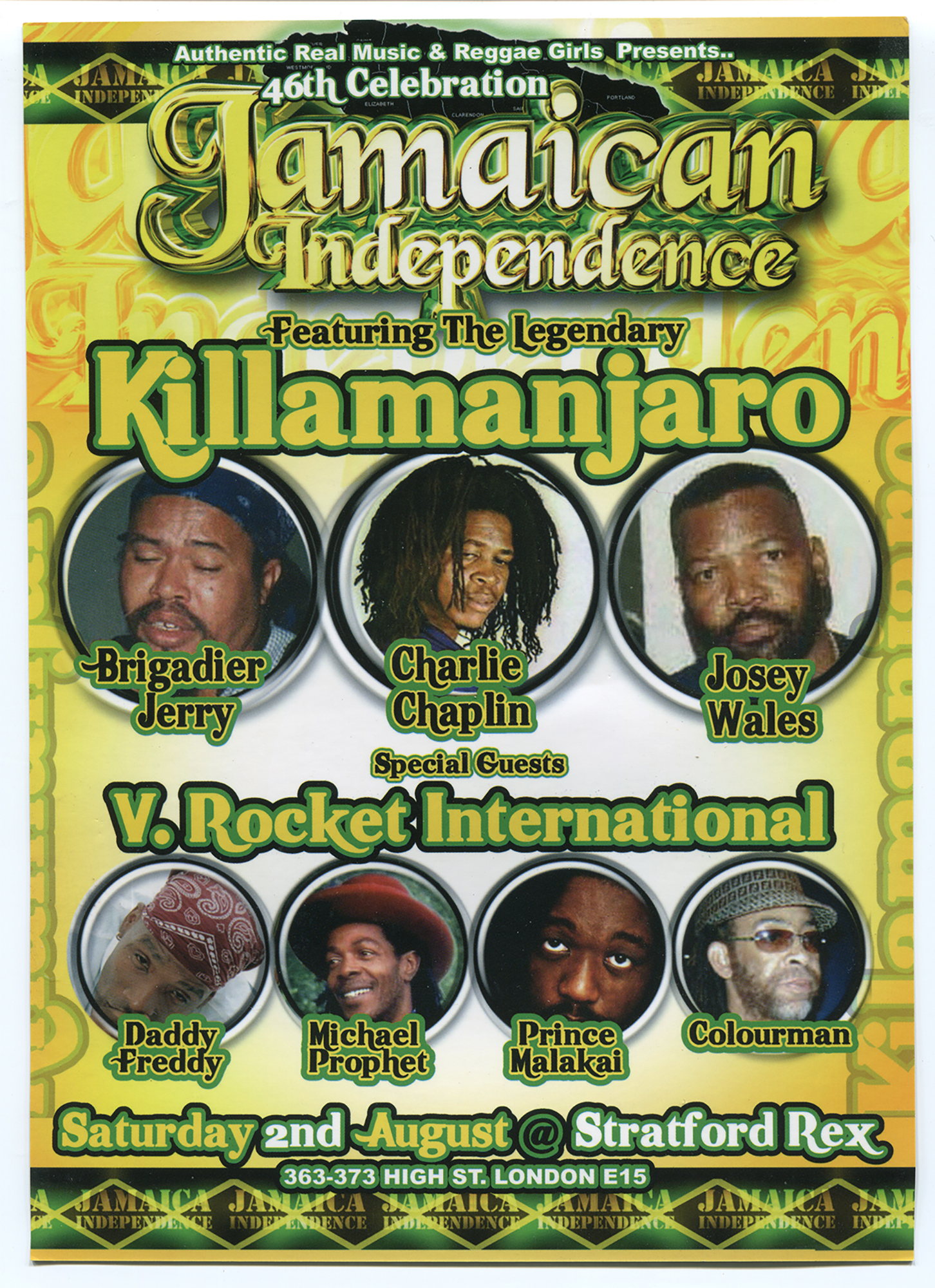
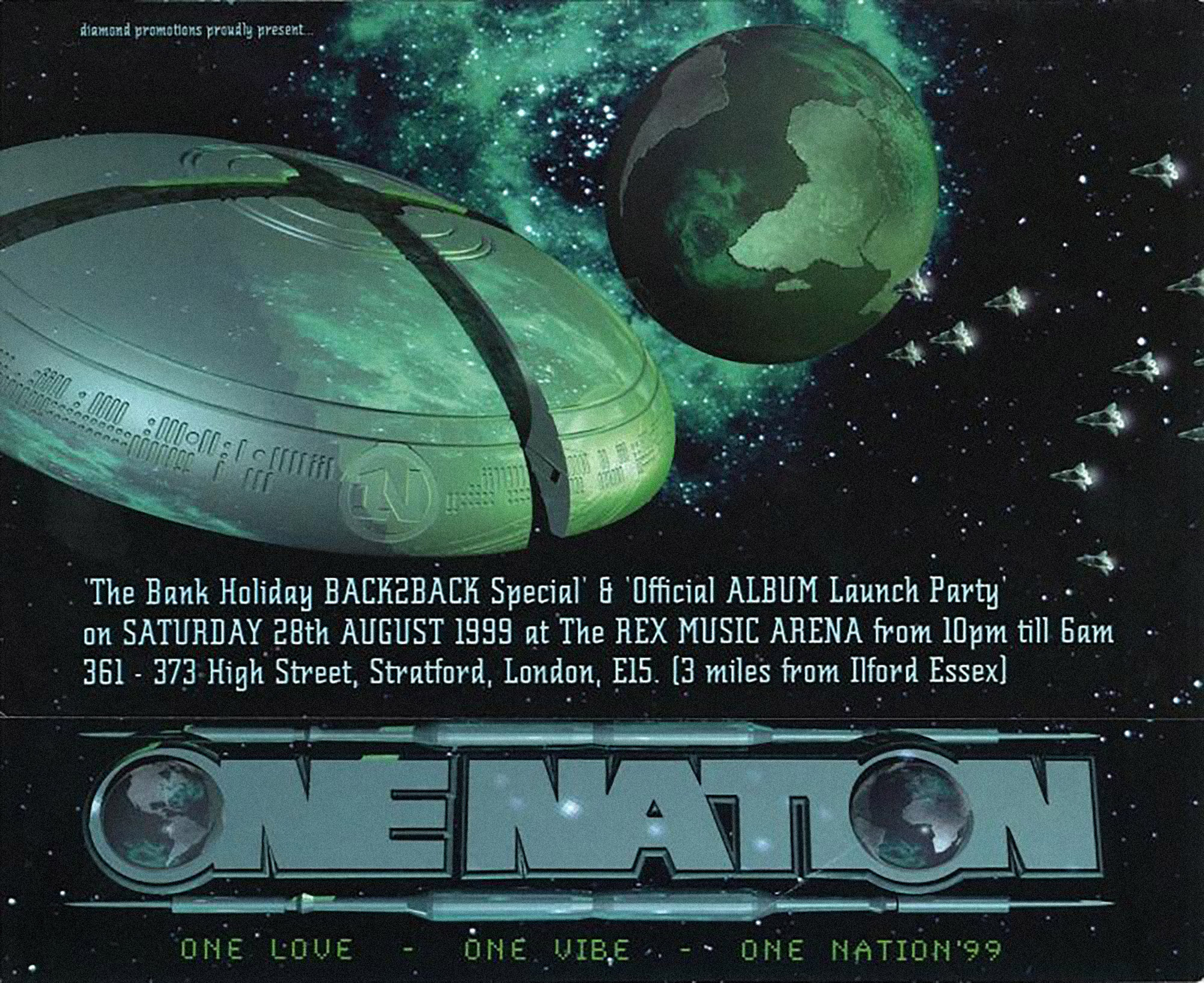
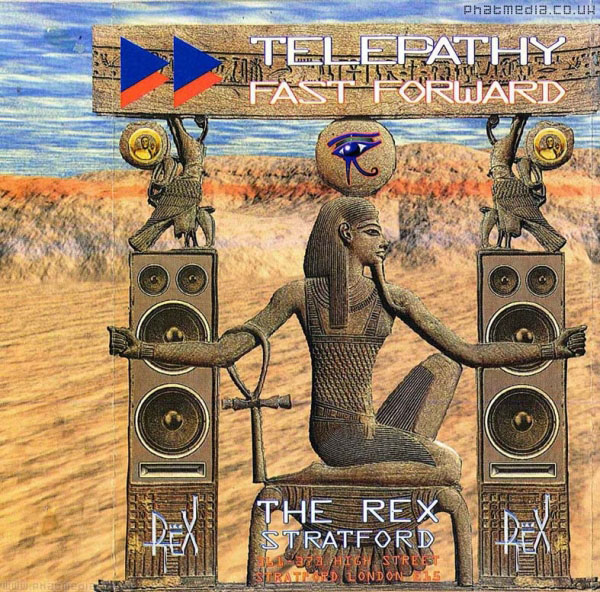
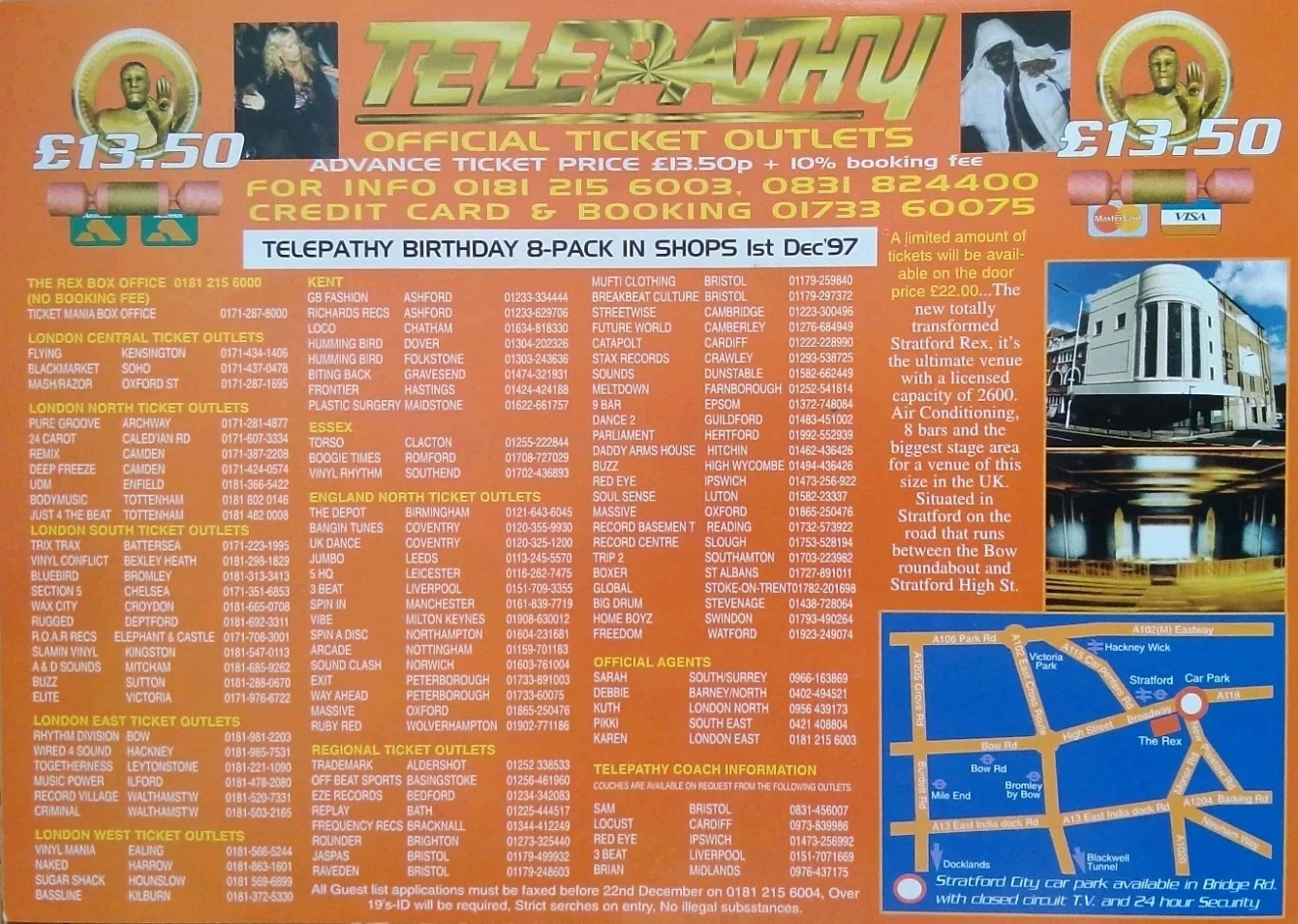
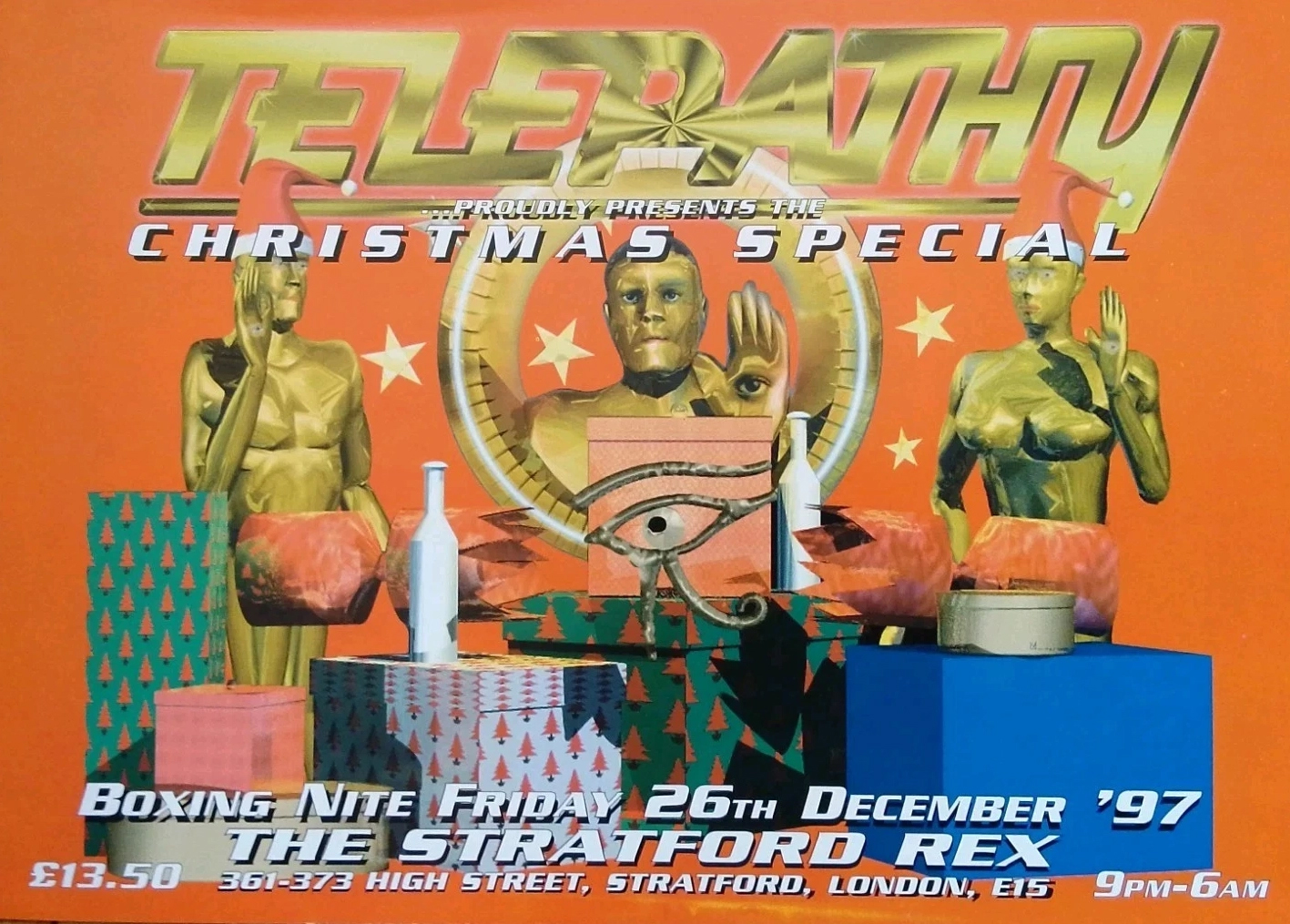
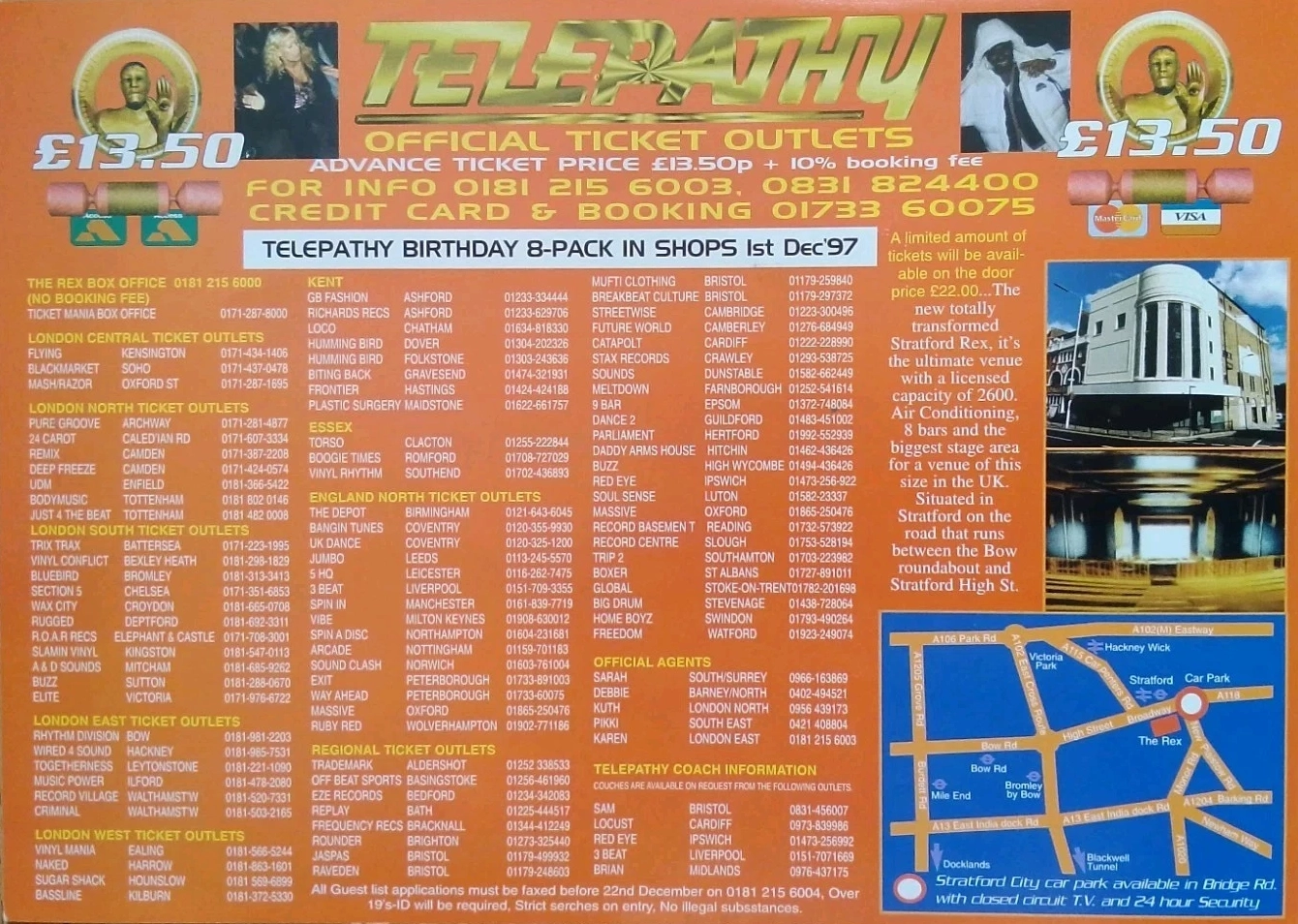
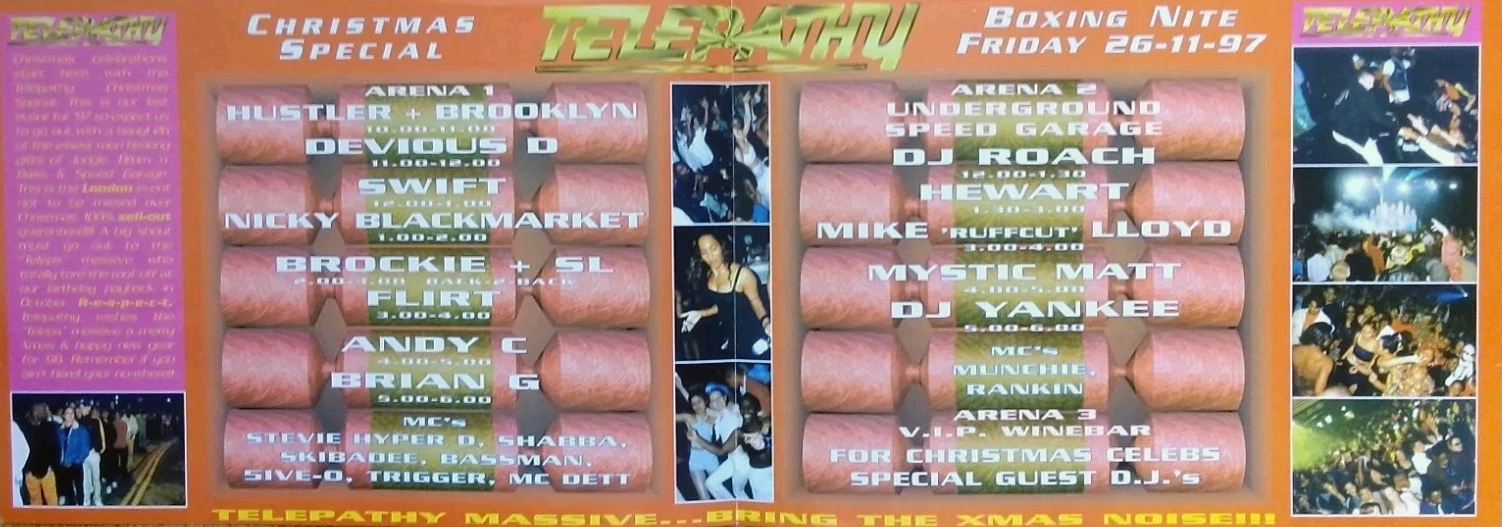
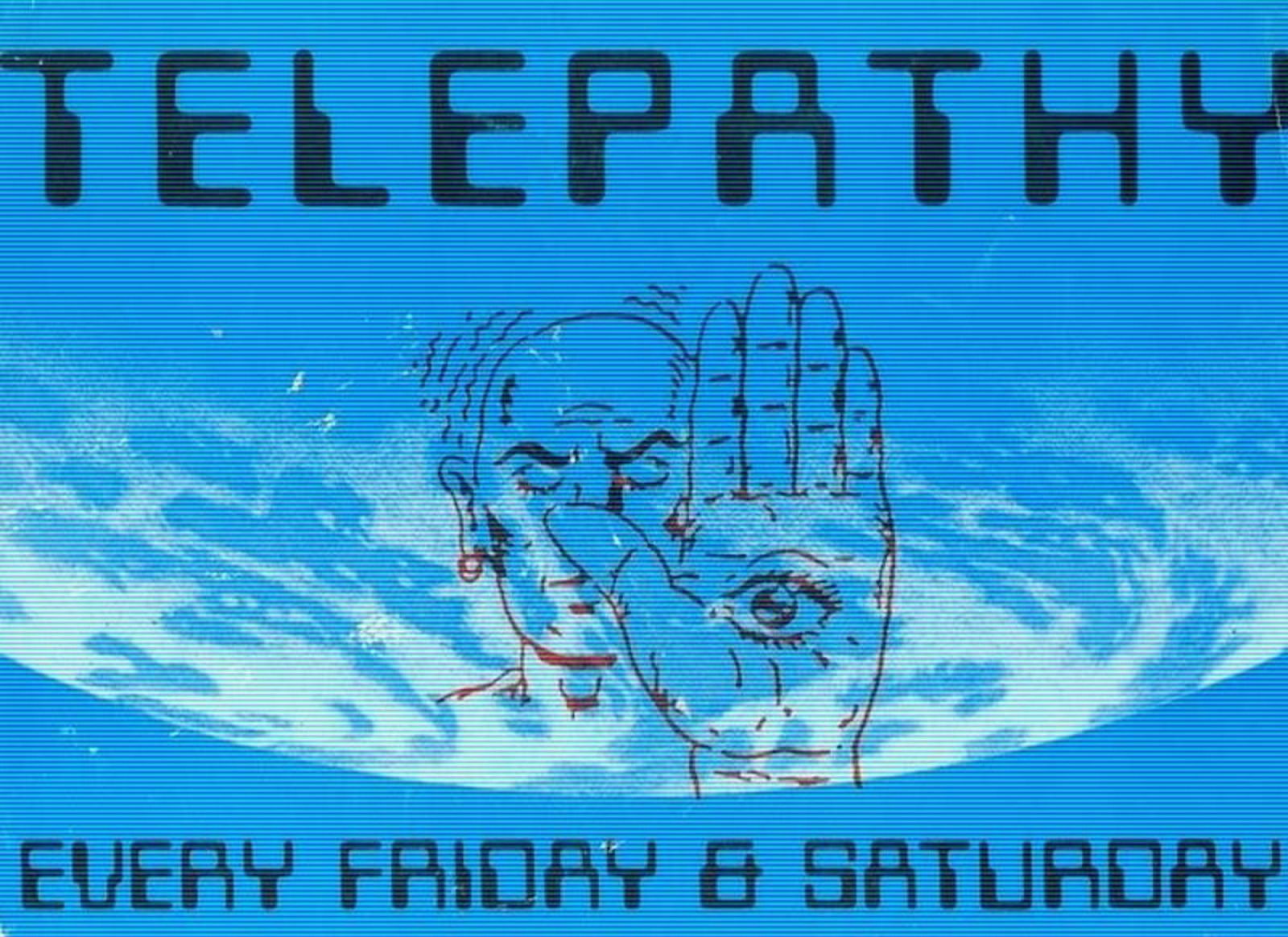
“The Rex seemed to be a little off the beaten path in terms of the circuit that bands like Fugazi usually play. This wasn’t unusual for us as our interest in having lower ticket prices often would find us in more obscure rooms with lower costs and we were happy to play new spaces.” Ian MacKaye
From the late 1990s through the 2010s, Stratford Rex became one of East London’s most important cultural spaces. It staged reggae greats such as Gregory Isaacs, John Holt, Cocoa Tea, Buju Banton and Capleton, and attracted international touring acts including Foo Fighters, Queens of the Stone Age, Shellac and Fugazi. At the same time, it was central to London’s rave, jungle, garage, dancehall, and grime scenes. Legendary club nights filled its 2,500-capacity hall, and it provided a launchpad for grime crews such as Roll Deep, N.A.S.T.Y Crew and Pay As You Go. Dizzee Rascal’s performance here is often cited as pivotal in his signing to XL Recordings. Despite closures in 2007, 2009 and 2012, the Rex remains remembered as a landmark venue where Stratford’s High Street met global touring circuits and the cutting edge of British reggae, rave and grime. In 2025, it was announced that the building had been acquired by the Columbo Group, who plan to reopen it as Jazz Café Stratford, marking a new chapter in its long history.
Oral histories
Rocky Boss
Play audio
Background
Rocky Boss, born 1983 in Newham, A DJ, host, promoter and creative, and a member of Flames Radio/ Media. Also an official host for The Fanatix.
Transcript
Stratford Rex. Just this place on the corner that used to be a cinema, like it was now like, known as the place to be. If it was a dance hall or reggae act, if he wasn’t booked in London and he wasn’t at Stratford Rex, then it was like, ‘Okay, you’re not quite in a big league’. It’s just us having Shaggy in the Rex. It was like, Shaggy in Stratford Rex, like it was crazy. And at the time it was just so- It was just surreal. But when in the time was just in the moment, and it’s like afterwards you look at it’s like, we had some real A listers come up in this place, like it’s crazy, especially when, when, when you get to go from one of the smaller rooms onto the actual main stage, and then looking into it, it’s crazy and and the way it was set up is that you’re on the stage, and you’ve got everyone there at the bottom, but then it used to go up and there’s a few steps, and then there was like a middle section where people you- when it was really around, that people go up there, just so they can see over the crowds. Then also you had the auditorium at the top as well. So when you had a ram night, it was really good to look at. It was just amazing, like, and the place was just so big. It just seemed like it was massive.
What it felt like is that the council had inkling that they was going to get the Olympics, and they started cleaning up from early and we didn’t notice it, but we started to see places getting shut down, more limitations, more rules to be able to get the clubs. And I remember on the news they announced that it was going to be in Stratford, and I thought to myself, Damn, they’re going to get rid of us.
Kenny ‘Sting’ King
Play audio
Background
Kenny ‘Sting’ King, born 1966 in Stratford, is a promoter and club owner who founded Telepathy in 1990 and later ran Wax Club, Stratford Rex and Deja Vu FM.
Transcript
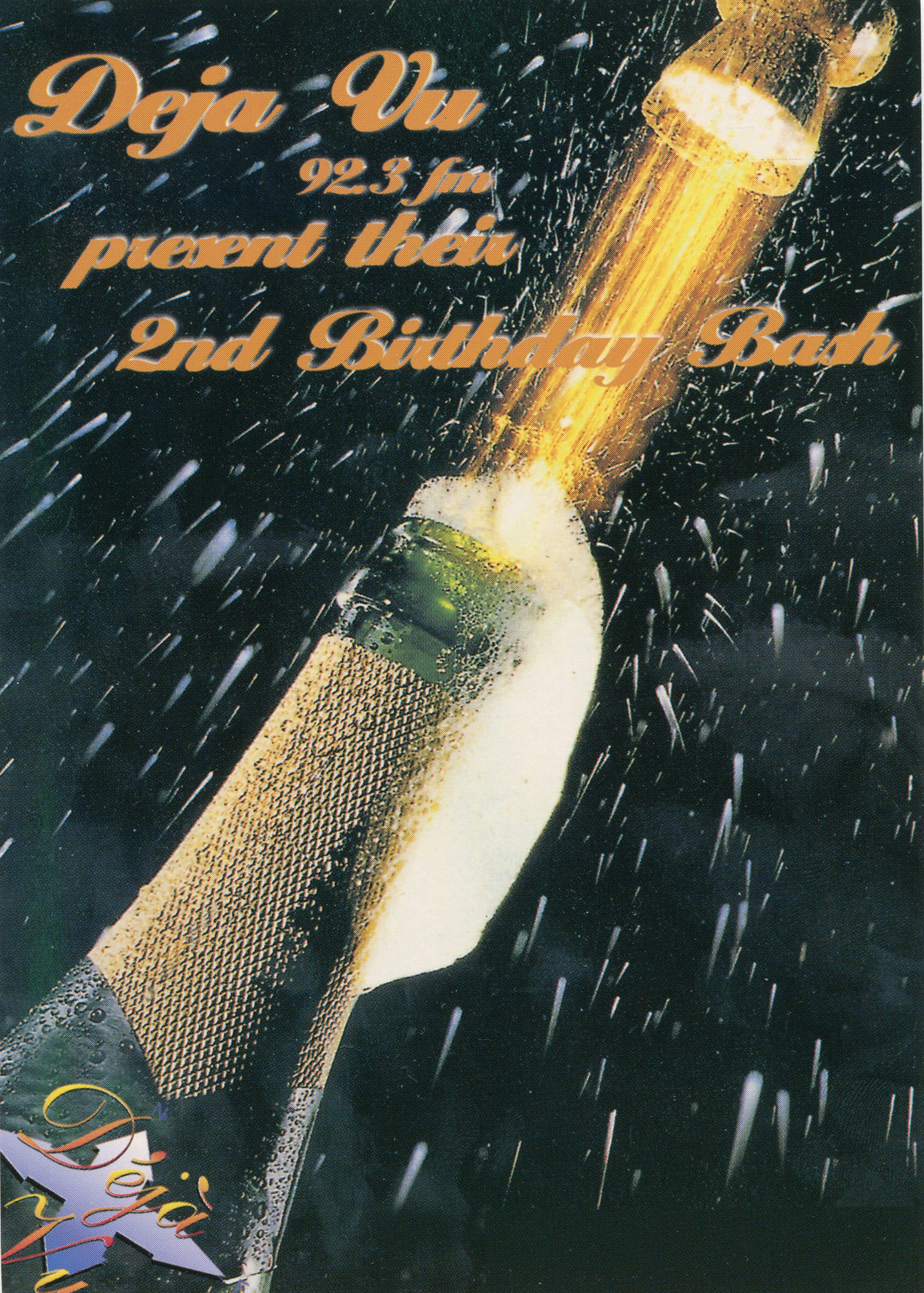
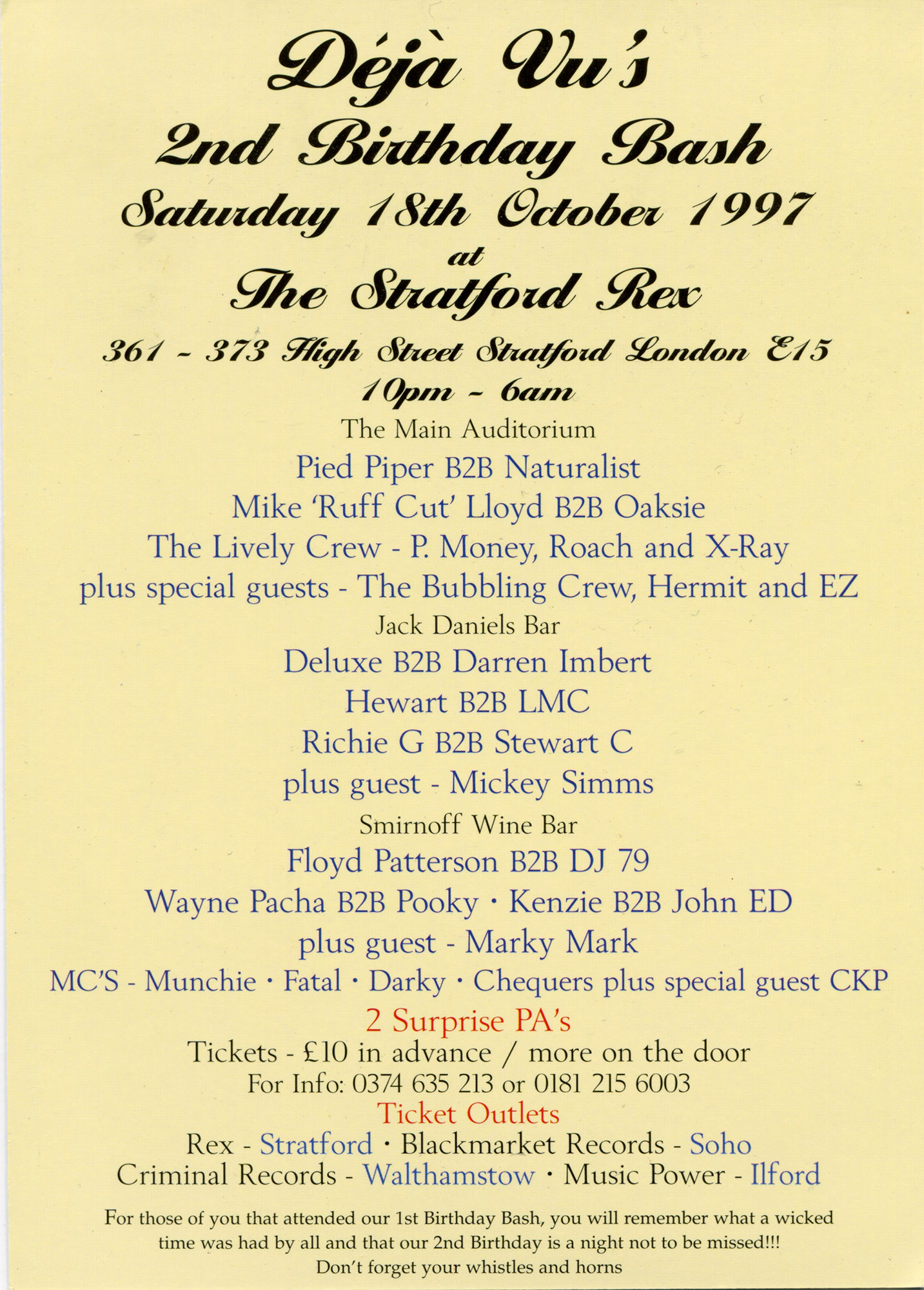
I left the Wax Club and went to the Stratford Rex. I had a couple of partners down there, Alan Harris and Malcolm Campbell. They had already acquired the building when I got there from Newham Council, the Rex itself was derelict when we got there, or the whole attic was full of bird shit that was taller than you, yeah, when I got direct, it was derelict. When I told you, derelict, derelict. I don’t know if you’re familiar with the old classic type of facility, but it’s all kind of like Art Deco, and you know, all the mouldings were fucked, all the seats were dead. There was no stage in there. The whole place basically had to be completely refurbed. It costs about 1.2 million to refurb the Rex. I distinctly remember that figure, because a significant amount of that money was mine, right, which was all lost. I’ll tell you about that in a second. But yeah, we basically got it refurbed it. It was very, very costly. You got to remember we’re talking. I can’t even remember what year it was, it must have been ’90, I want to say ’95, ’96, maybe. you know, it was- It was a real, true labour of love. But you’ve got to remember 1.2 million pound, back then was 1.2 million pound. It’s not like1.2 million pound now, you know, people are spending 1.2 million pound now, like they spend 100 grand. Yeah, 1.2 million pound was a shed load of money back then. We finally got it up and running. And I don’t know if you’re familiar with the Stratford Rex, but it’s a, it’s a more live purpose venue. It’s got a massive stage, and we’ve got the balcony area, which is all seating. You know, it does lend itself to parties and raves and that. But predominantly, it’s a, it’s a live orientated venue, yeah, and as such, you want to try and use the facility as that.
Lord Kimo
Play audio
Background
Lord Kimo, born 1980 in Manila, moved to Newham in 1990 and became a rapper and producer with Asian Dub Foundation, later mentoring young people.
Transcript
I used to go in my early days to a place called Stratford Rex. Stratford Rex used to have, like, some wicked drum and bass nights. And I used to go down there, before I even got into the music scene, and beg people beg DJs, like I beg you please, let me rap, you know, sort of thing. And the craziest thing is that all these DJs that I know now, they was turning me down. Ain’t it weird that a couple of years later, I became their boss? How karma works in many ways.
Debris Stevenson
Play audio
Background
Debris Stevenson, born 1990 in Ilford, is a writer and performer whose grime- inspired work is rooted in Newham’s music culture.
Transcript
Get the CD from Dizze Rascal now you can hear what they’re saying. I mean, then you get old enough, then you can go to somewhere like Stratford Rex, and those people are there. So it’s just kind of like this maze of like it was, it was kind of that first clue, of like, there is a world where you can be as weird as you want to be, and, like, do all the things that you want to do, and people will like it.
MC Roachee
Play audio
Background
MC Roachee (Richard Roach), born 1985 in Whitechapel, is a grime MC who came up through youth clubs, Stratford Rex and Deja Vu, and now works as a youth worker in Newham.
Transcript
Yeah, I remember going to party in Stratford Rex. I remember the Bow lot would always be organising like, yeah, there’s Young Man Standing at Stratford Rex, or Rampage versus Stampede. There always used to be events at Stratford Rex, and they were the names I remember, Rampage versus Stampede, or Young Man Standing, or Last Man Standing. And then there will be like, Pay As You Go, be booked Heartless Crew, there’ll be crews that we’d be listening to, that we’d want to see. So we’d go there. And I just remember, I’ve just seen, like, plague era, a major ace on the stage. And being like, we all used to hit him on radio, but now we’re putting names to the faces. We’re like, wow, that’s what plague looks like. That’s what major ace looks like. That’s what God’s give that’s what why he looks like. Wow, fascinated that we’re seeing our idols and stuff like that. And she had had some great, great times just being inspired and whatnot. What Not always, cues security always seemed to be quite like strict ish. Always the black community. Always, lot of places we’re going and things we’re doing is black people. It’s black, it’s the black community. So when we’re going Stratford Rick last night, and these are like, black raves, black events, yeah, the atmosphere is interesting. We’re seeing like girls, things are starting to get there, like knife crime starting to get there. Like people are the territory. Thing is starting to build, the gang thing starting to build the Hackney versus Stratford beef is happening. There’s things starting to happen now. So when we’re getting over there and we’re getting in the queue, and we’re from Bo, and Bo doesn’t really have the respect that Hackney has or Newham has, so there’s like, there’s that as well, and there’s not like, yeah, there’s things to just consider when you’re in that, when you’re in that space. But it was, yeah, it was just interesting, just interesting. I think the security was strict. We didn’t know it then, but we were all learning who each other was and learning who people were from different areas, and that we’re actually a community in England. We are the black people in England. We’re all spread out from South London to North London to wherever. And these spaces bring us together, and we get to we start to see who’s who. These are the faces. These are the girls. These are the guys. This is the community. This is but we didn’t realise that what we were building community at the time. So.
Quentin Scott
Play audio
Background
Quinton Scott, born 1967 in Surrey, runs Strut Records and programmed music at Stratford Circus from 2003 to 2007.
Transcript
It became a kind of one of these sort of independent venues for communities, which was a little bit off the radar. So when you look at Time Out, it wouldn’t necessarily give you the listings at Stratford Rex, but you know, you’d have to find out through word of mouth or going there or picking up flyers at the reception, which is something I started to do. I was sort of, I would go up there from Stratford Circus and just pick up any flyers that were going on to that were going on, just to see what was happening. So that their main thing was, at the time big R&B gigs, they’d have these African community events. Got flyers there of award ceremonies where they’d have, like a Ghana independence celebration. And the thing is, with these things, they pack out the the acts on it. So you had this flyer with like about 15 people on it who were going to perform that night. And it was like this extravaganza. And it was, I went to a couple of them, and it was, it was kind of joyful chaos, really. There was the, you know, Ghanaian community and West Africans were in force and very rowdy. And, yeah, that they’d have just have, you know, nd up there and just bring one act out after another. And it was, yeah, it was great atmosphere in there. But really, you know, really raw and not, not too much security around actually, I think I just remember it was, it was pretty cute. Was, it was pretty chaotic. And I remember outside the venue, it was almost as chaotic as inside. They’d have, like, the barbecues going, you know, all the way down the side road there that Stratford recs. They’d have like, lots of barbecues, and, you know, the Jamaican stands, and you know that they’d have the curry goat, and they’d have barbecues and meat and all sorts of things going on, and there’s just people gathered out there chatting and smoking and and then they go in for the gig. So it’s kind of it felt very kind of natural, and like this sort of natural energy. It wasn’t too regulated, which I think is a massive problem with London venues. Now, it’s like you sort of got this very regulated experience, which doesn’t allow for a lot of fun around the edges, really.
DJ Pogo
Play audio
Background
DJ Pogo (Adam Montout), born 1969 in Plaistow, is a DJ, educator and co-founder of Urban Development.
Transcript
Stratford Rex is a funny one, because when Stratford Rex first opened up, they used to do mostly- like it’s been opened up, even though he was a theatre before it was a cinema before. I remember that when I was young, he- was it’s always been shut down now Stratford Rex, I never went to Stratford Rex till they started doing shows in there, like bringing over Americans to do shows. They used to have all dayers, right, right. Do you know about all dayers? All dayers happened from ’83 till like ’88, ’87, ’88 right? What is an all dayer? An All dayer is a club that starts at midday and finishes at midnight, basically, and they’ll have like 20 DJs on the bill. You know, one DJ an hour, it’s mad, amazing. You’d see like 15 DJs on the bill and play all different types of music. They did a couple at the Stratford Rex. And I think I can’t remember what year it was. I went to the Stratford Rex for one and I went to see a couple of American acts there, and I never liked the place. I think I went twice, and never went back. There’d been a shooting there. Someone got shot on the door. There’d been stabbings there. It just wasn’t a good place to go, you know. And I just decided not to go there, you know, but I only went to the Stratford Rex twice, you know. I think I’ve been there more times. Now it’s closed. I took my daughter to the trampolining place there. Now it’s a trampoline place. I took one of my kids there once, but as a club night, it was horrible, horrible atmosphere. Really strict security, because it has to be really strict, not really hospitable, dark, dingy, smell of stale beer, horrible. The stage was too far away from the crowd, so you never felt a connection to the stage. I felt that that’s me personally, and I just didn’t like the atmosphere in there. You know, I’ve been to a lot of places, and that for me, I just didn’t like it at all.