
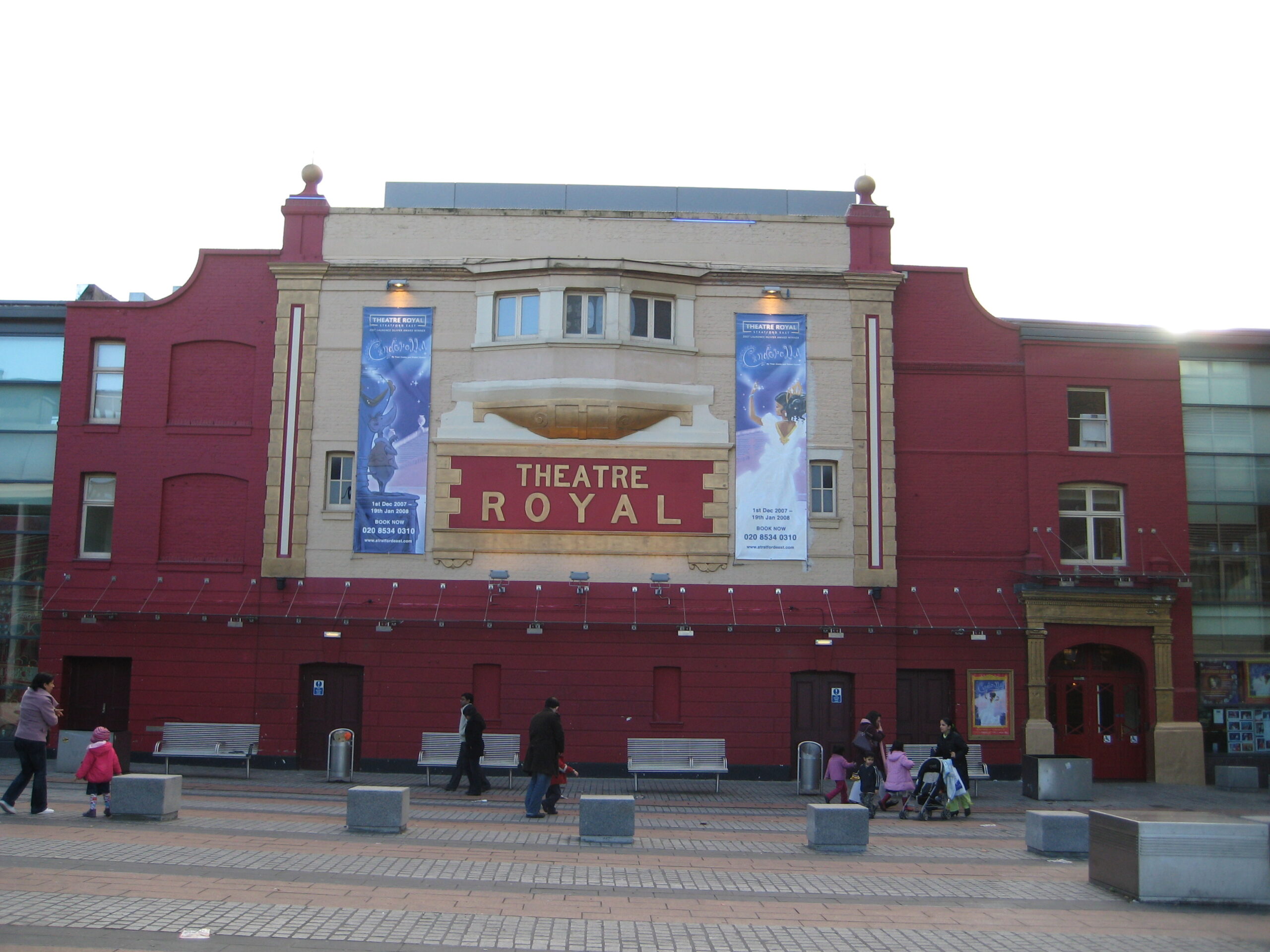
Eclectic Sounds and Political Stages
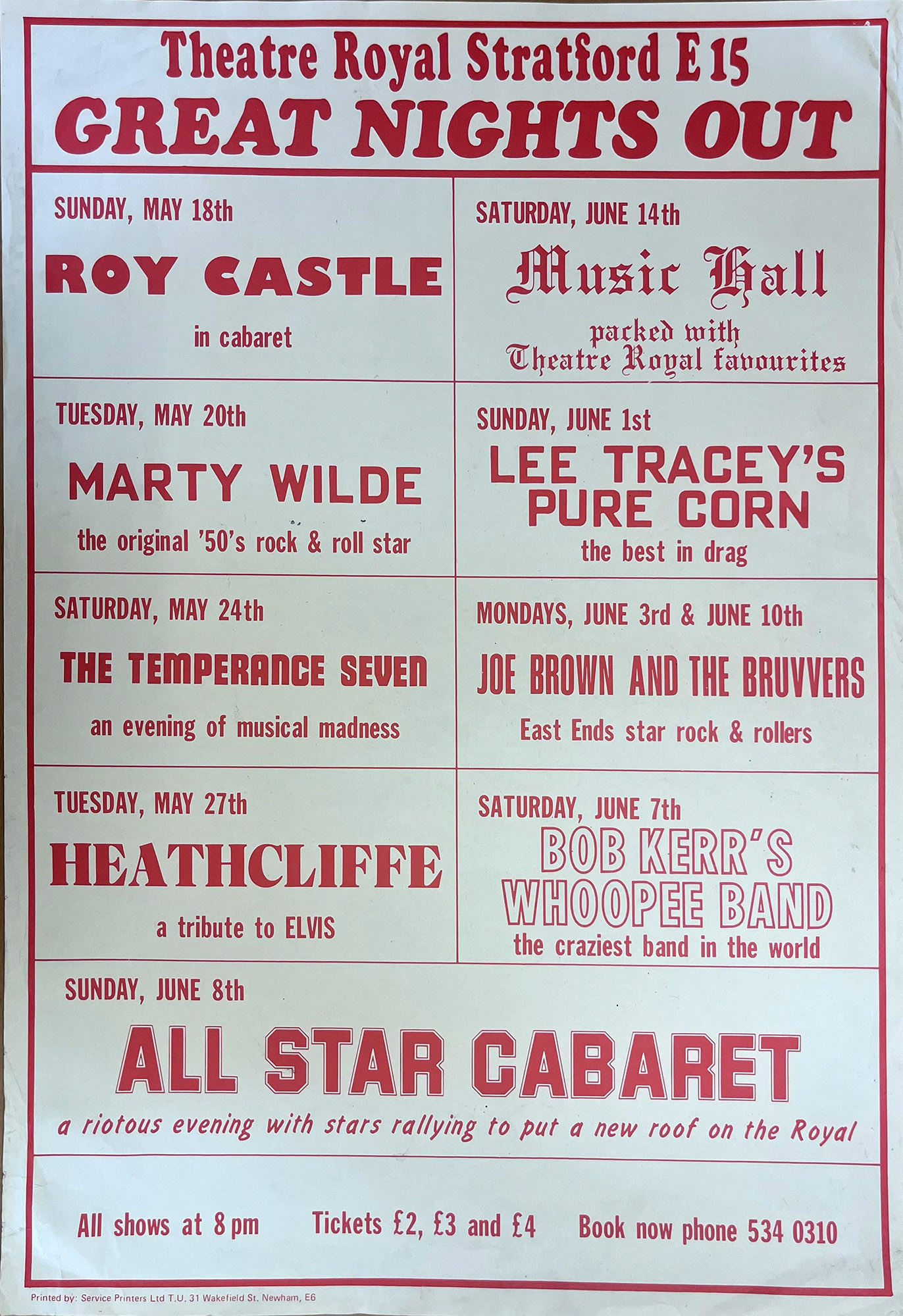
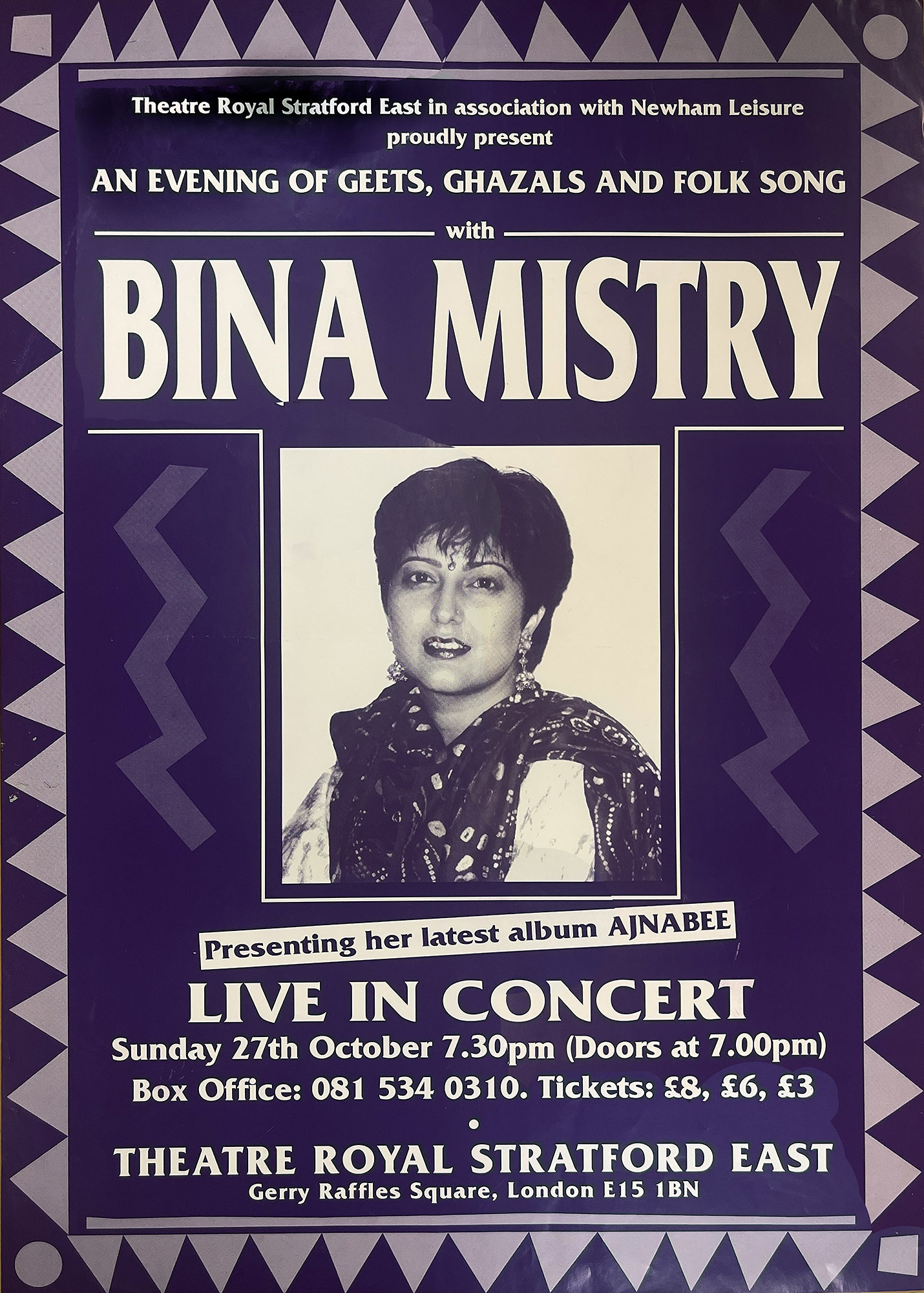
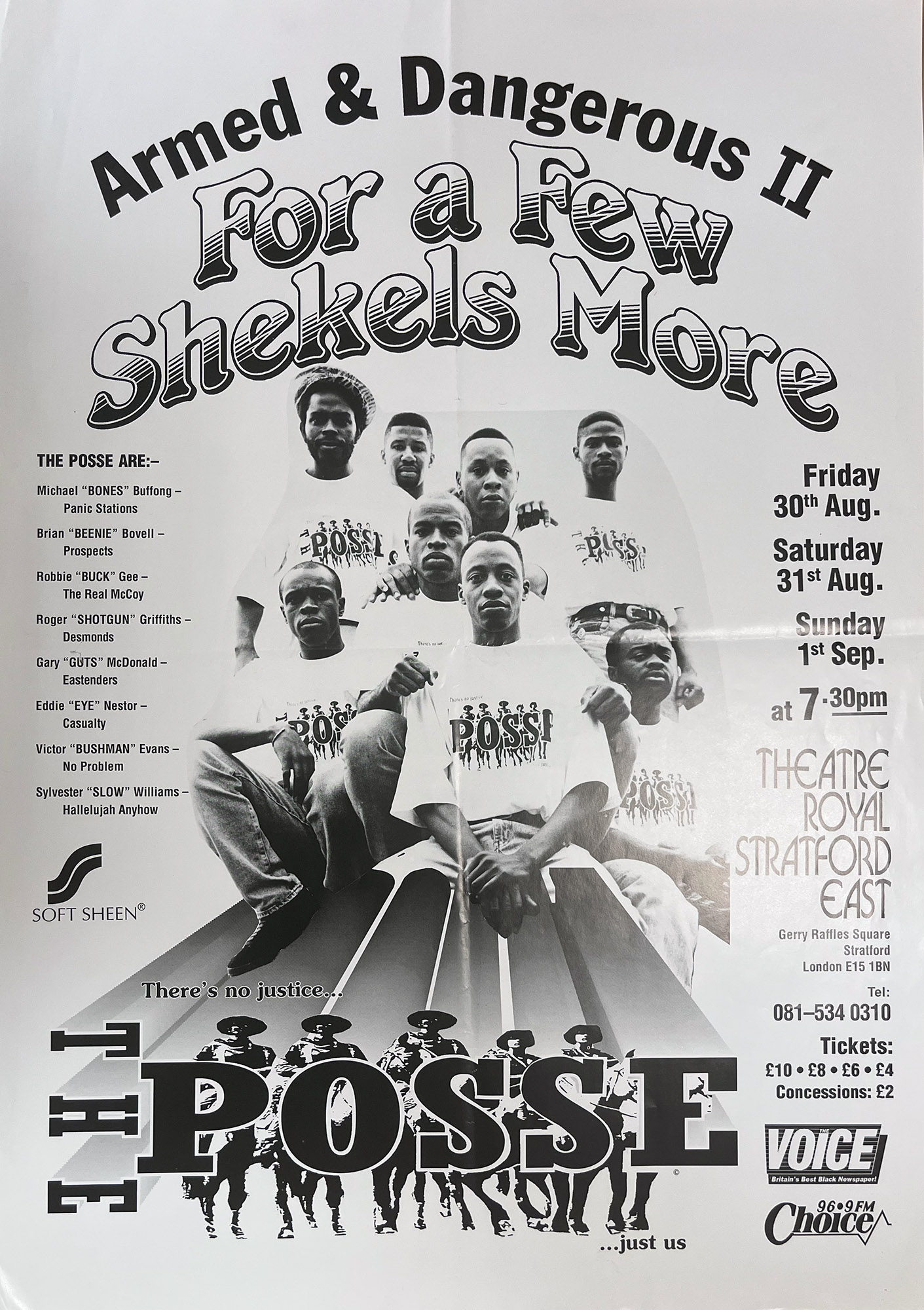
Opened in 1884 and later associated with Joan Littlewood’s Theatre Workshop, Theatre Royal Stratford East has long combined drama with music, offering a space for creativity that crossed boundaries. From the 1960s onwards, the theatre became a stage for both established and experimental performers, with an eclectic programme that mixed folk, rock, punk, and political cabaret. Touring acts such as The Yardbirds and Soft Machine appeared alongside Tír na nÓg, Magna Carta, and Karl Jenkins, reflecting the restless spirit of the time.
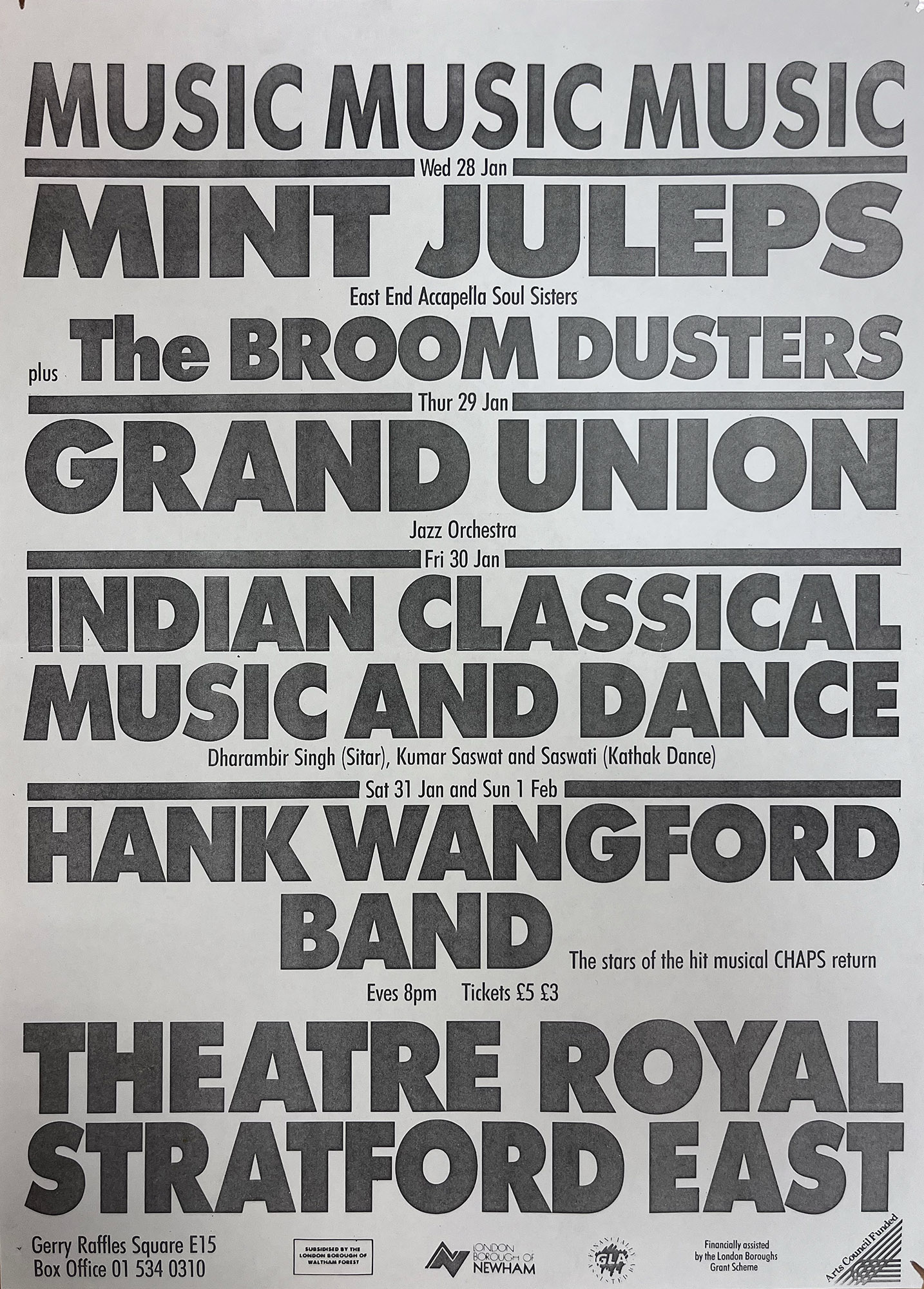
By the 1970s and 1980s, the theatre was as much a music venue as a playhouse. Musicians and bands could hire the auditorium for their own gigs, while community groups used it for cultural nights and political gatherings. The venue’s openness made it a focal point for Newham’s creative and campaigning life, with performers like Martin Carthy, The Albion Band, and Tom Robinson sharing bills with local artists and events linked to organisations such as the Newham Monitoring Project.
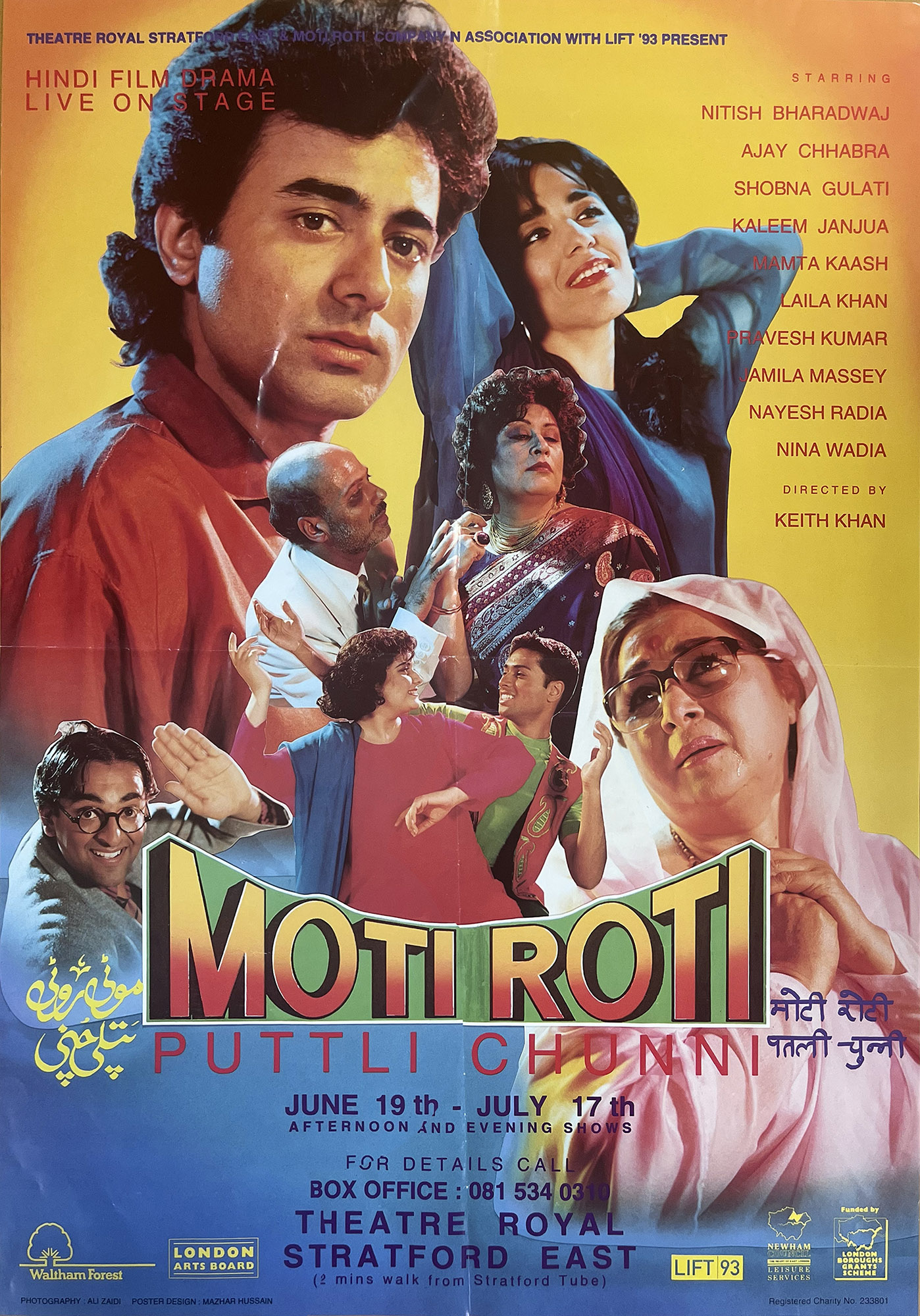
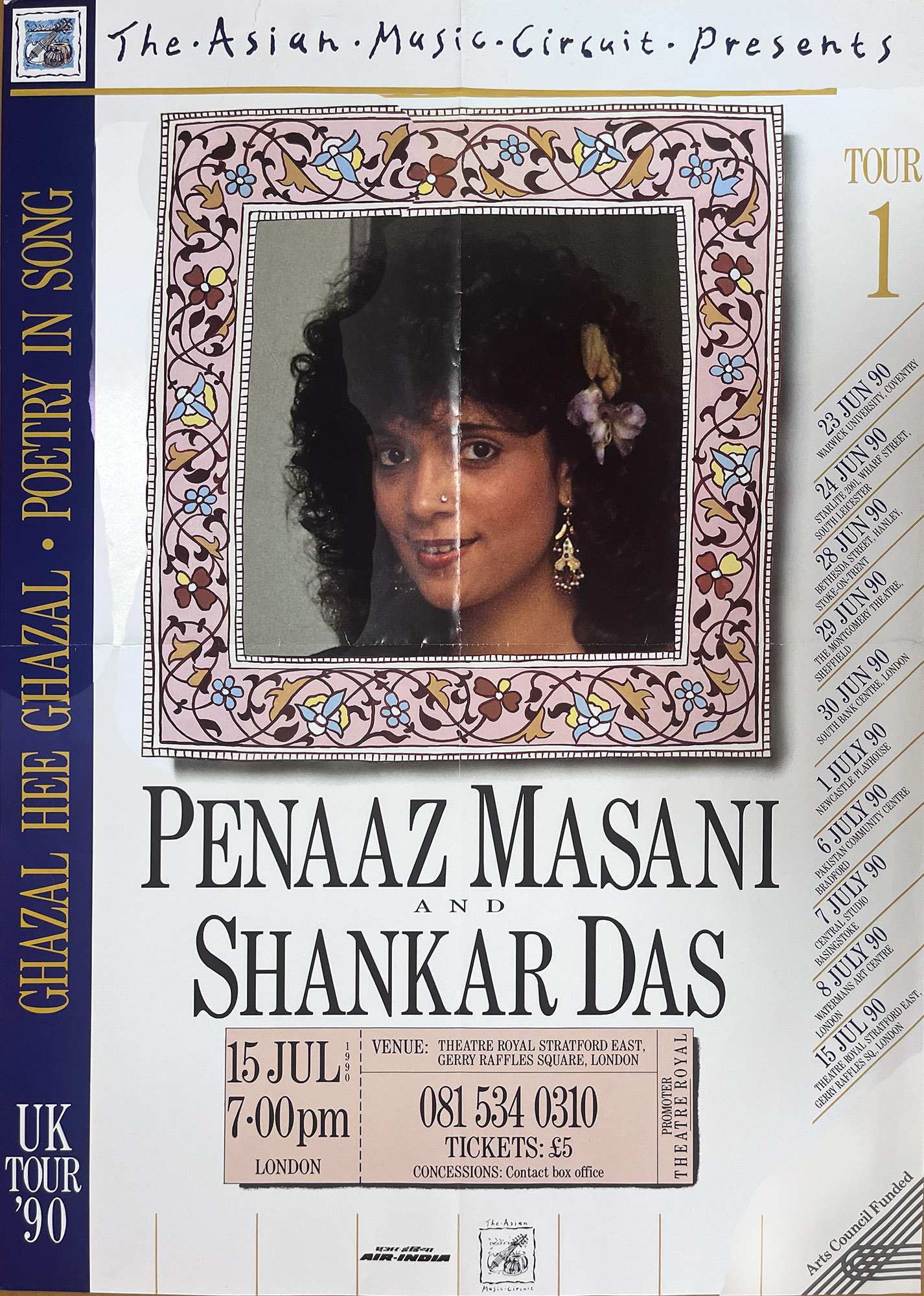
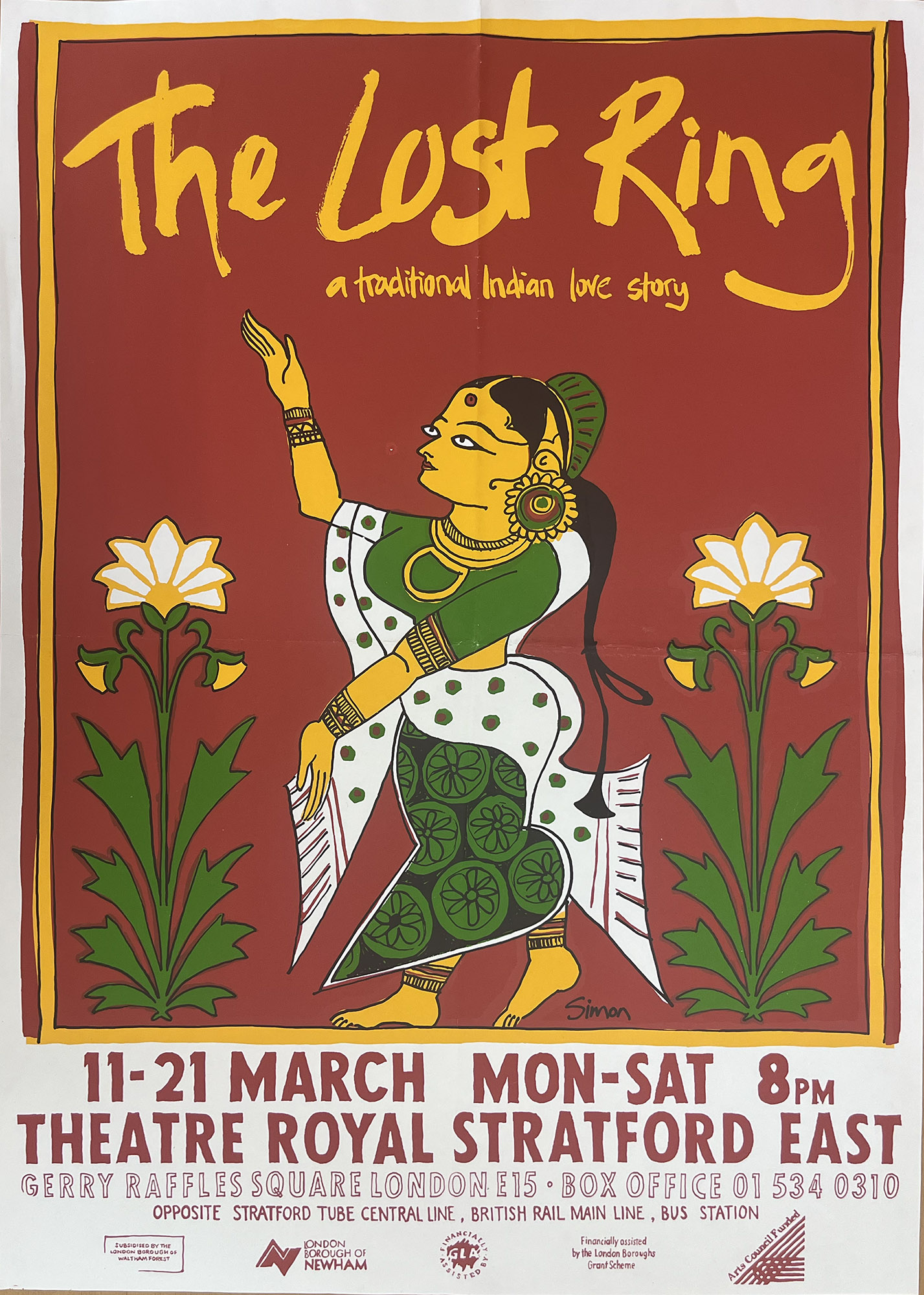
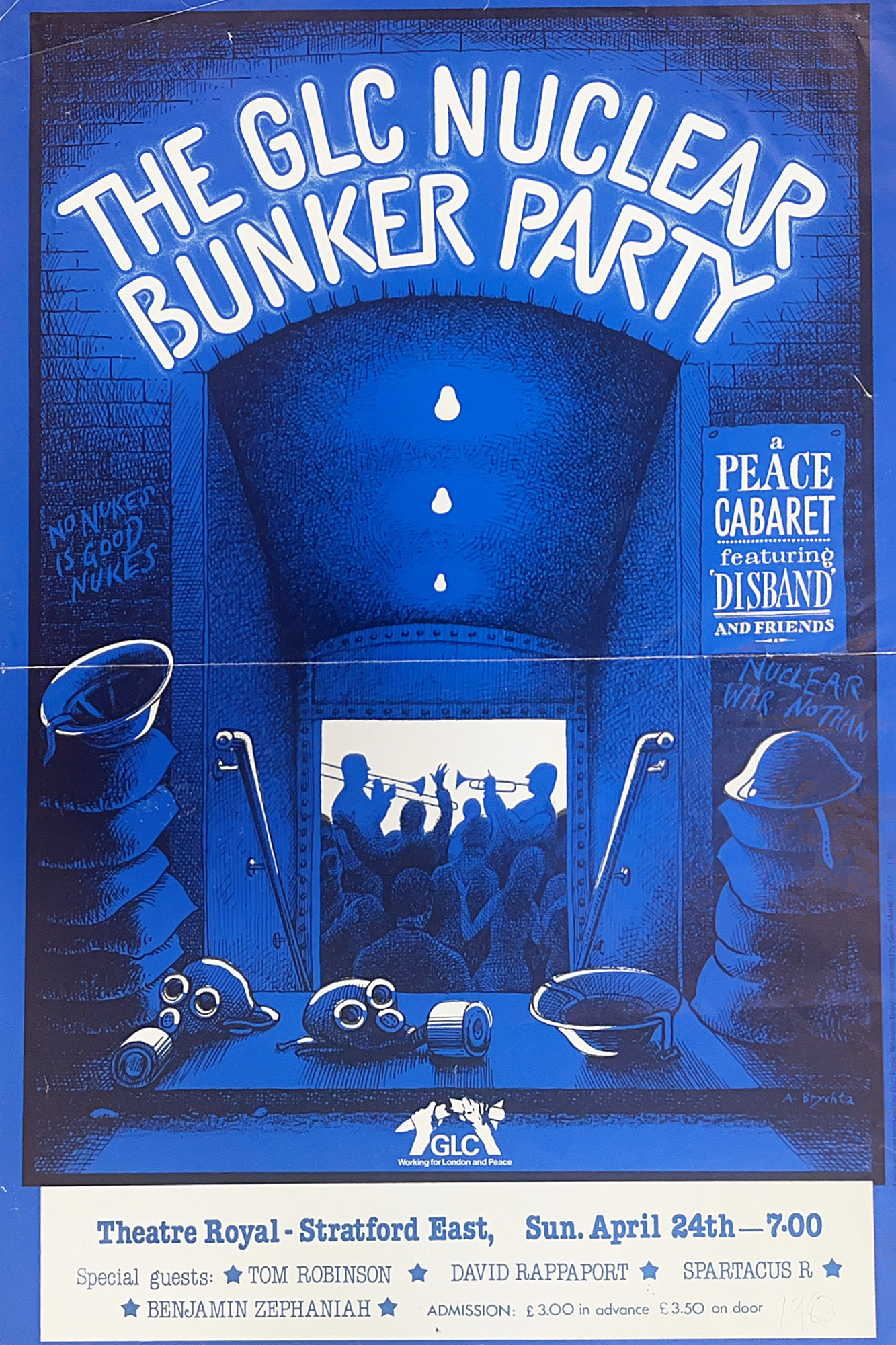
Riot at the Poison Girls Concert, 1979
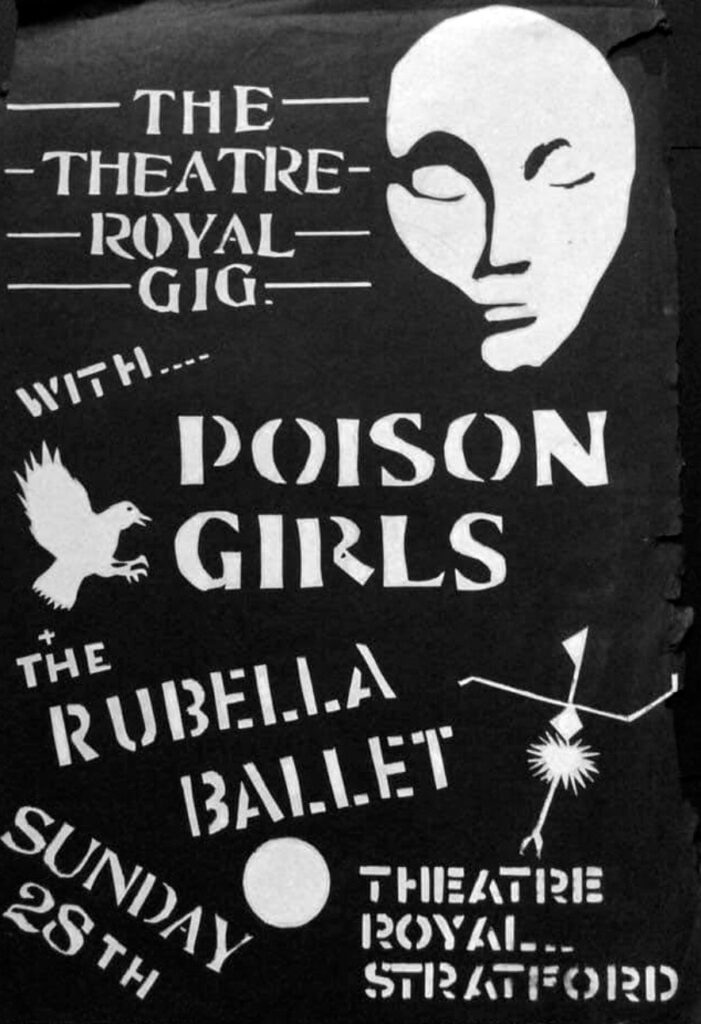
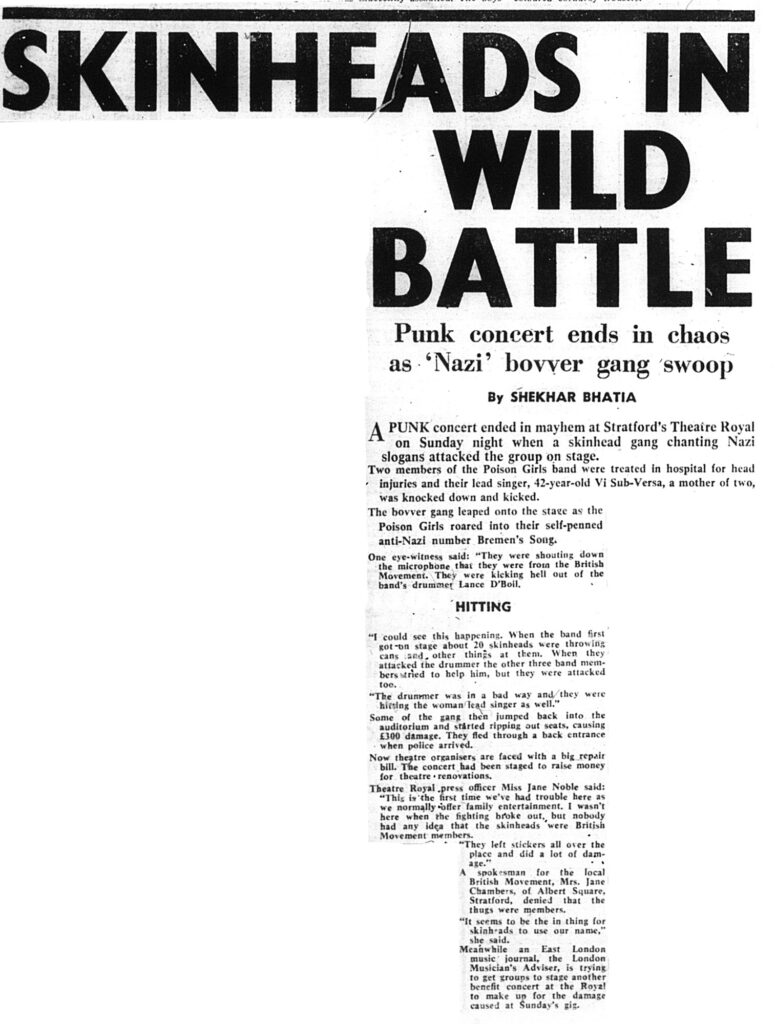
In 1979, a benefit gig featuring Rubella Ballet and Poison Girls descended into chaos when organised groups of skinheads disrupted the event, ripping out seats and sparking a riot — a night still vividly remembered by those involved. Newspaper cuttings and photographs from the incident capture both the intensity of the clash and the resilience of those who stood their ground.
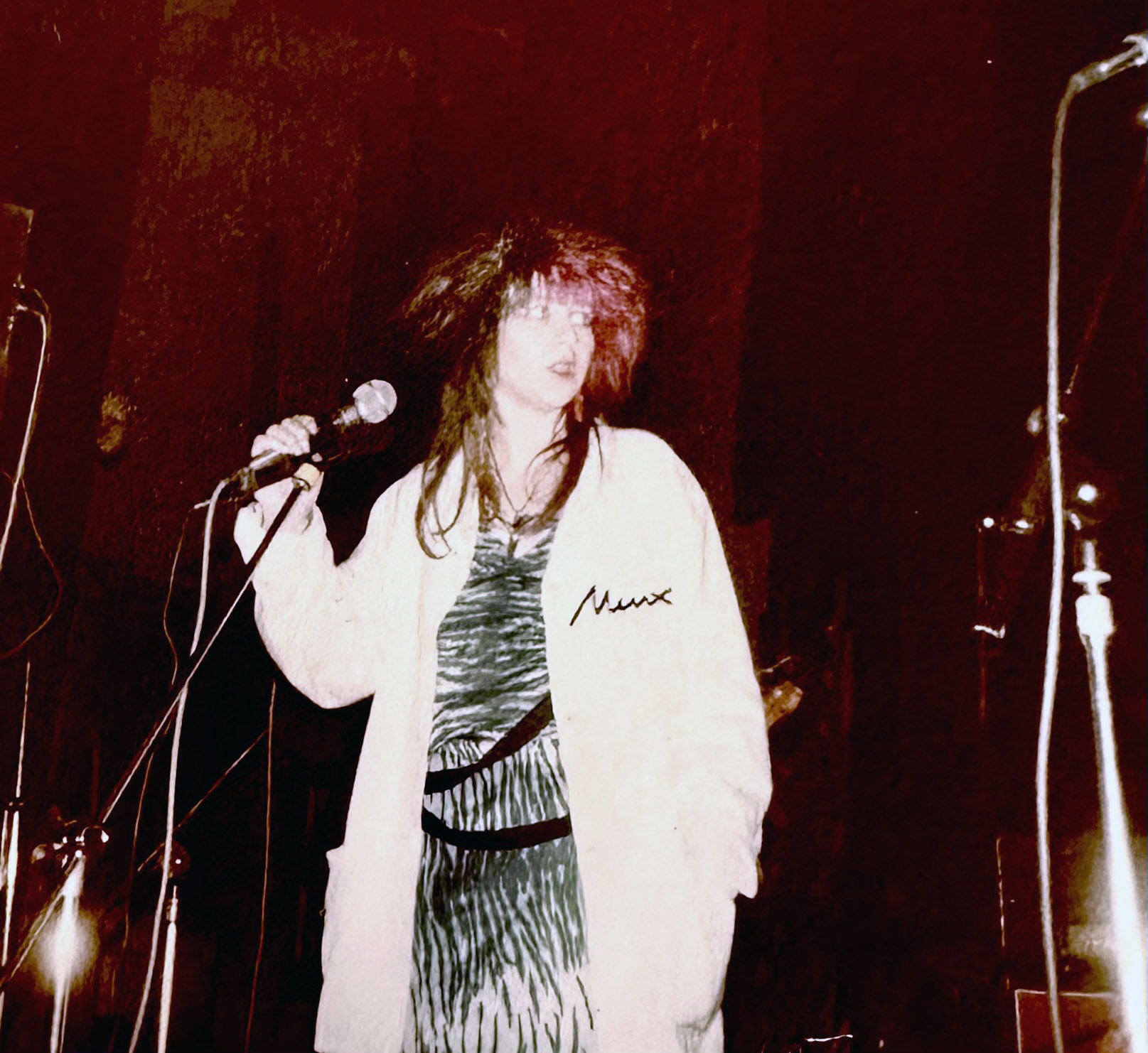
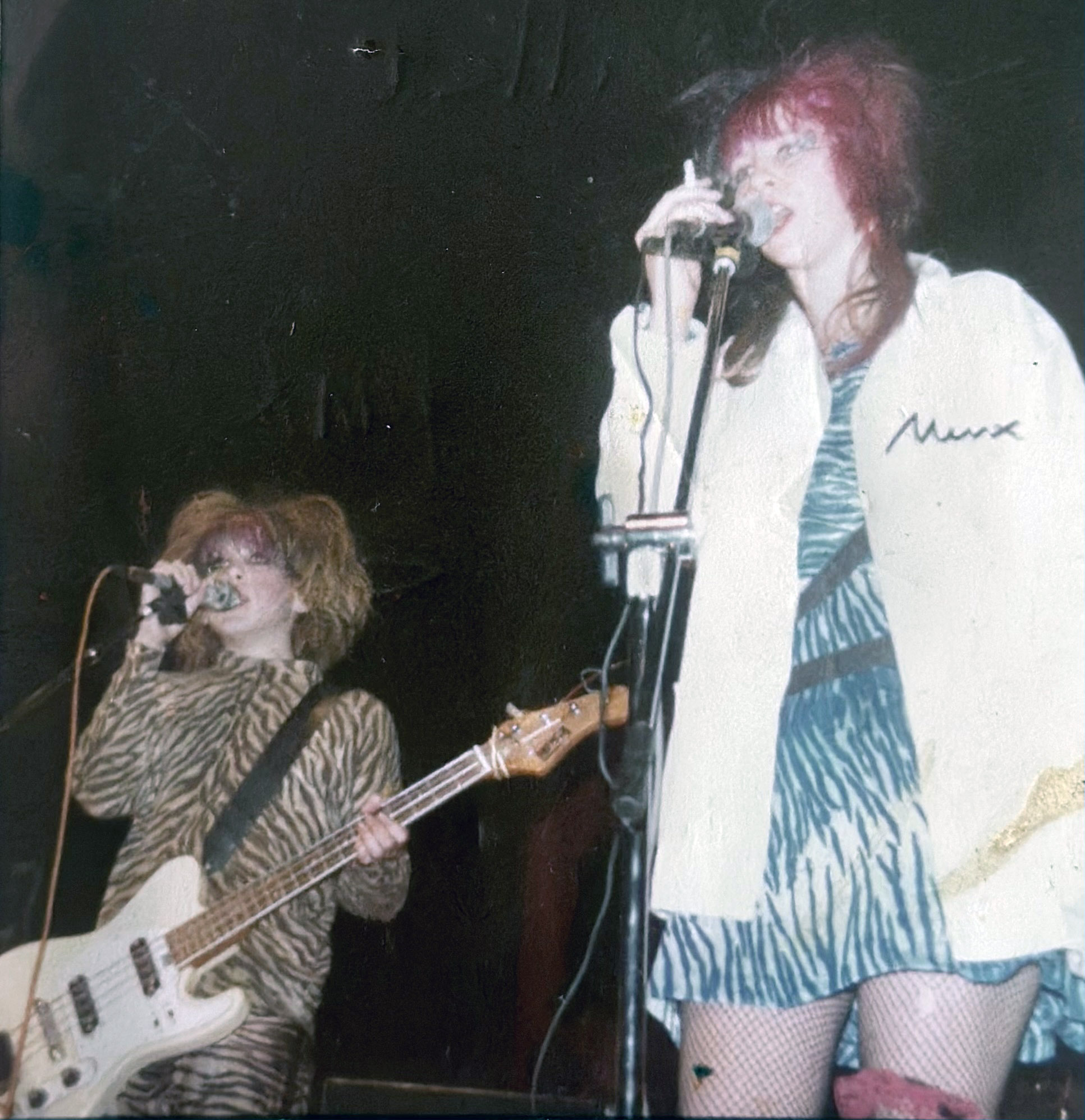
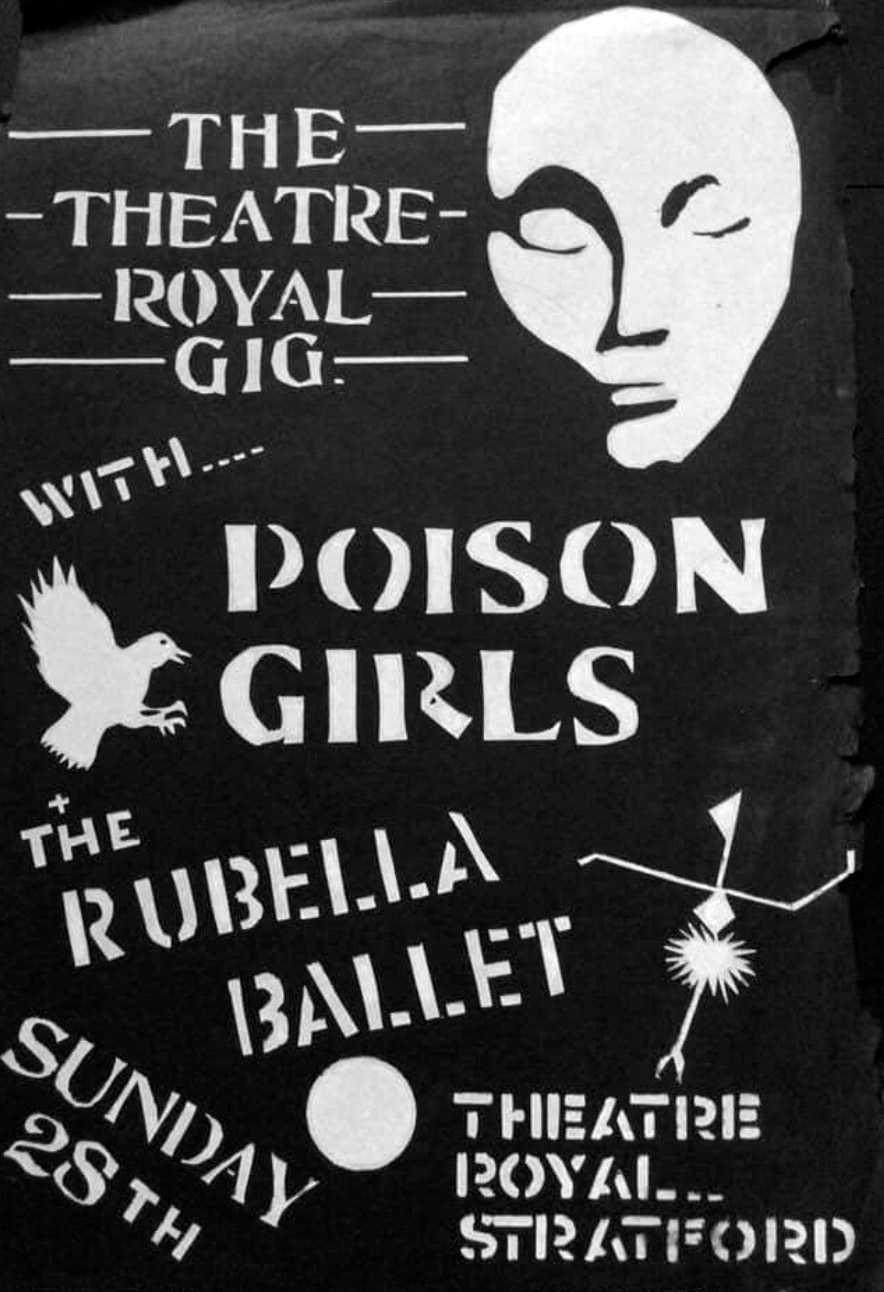
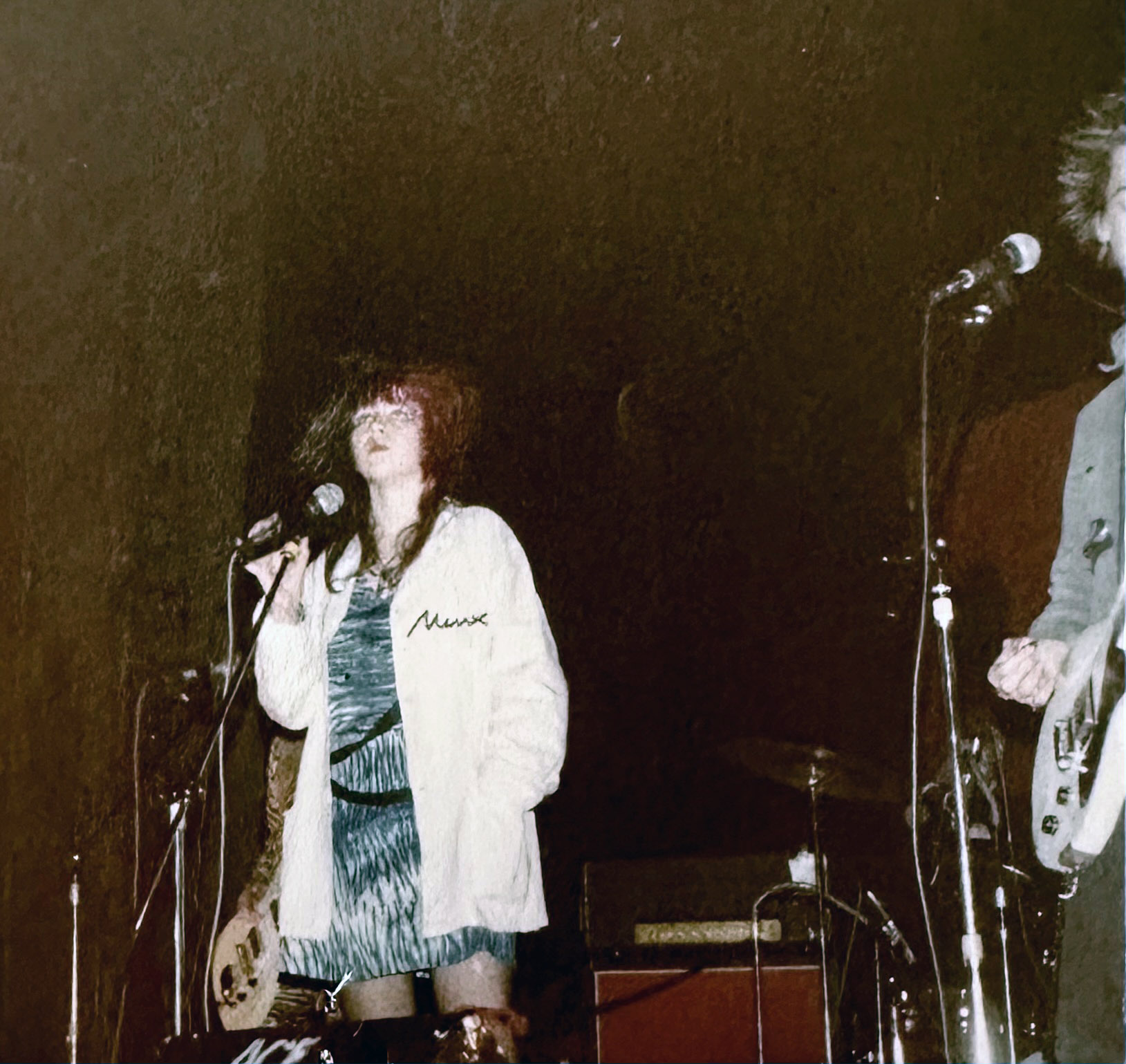
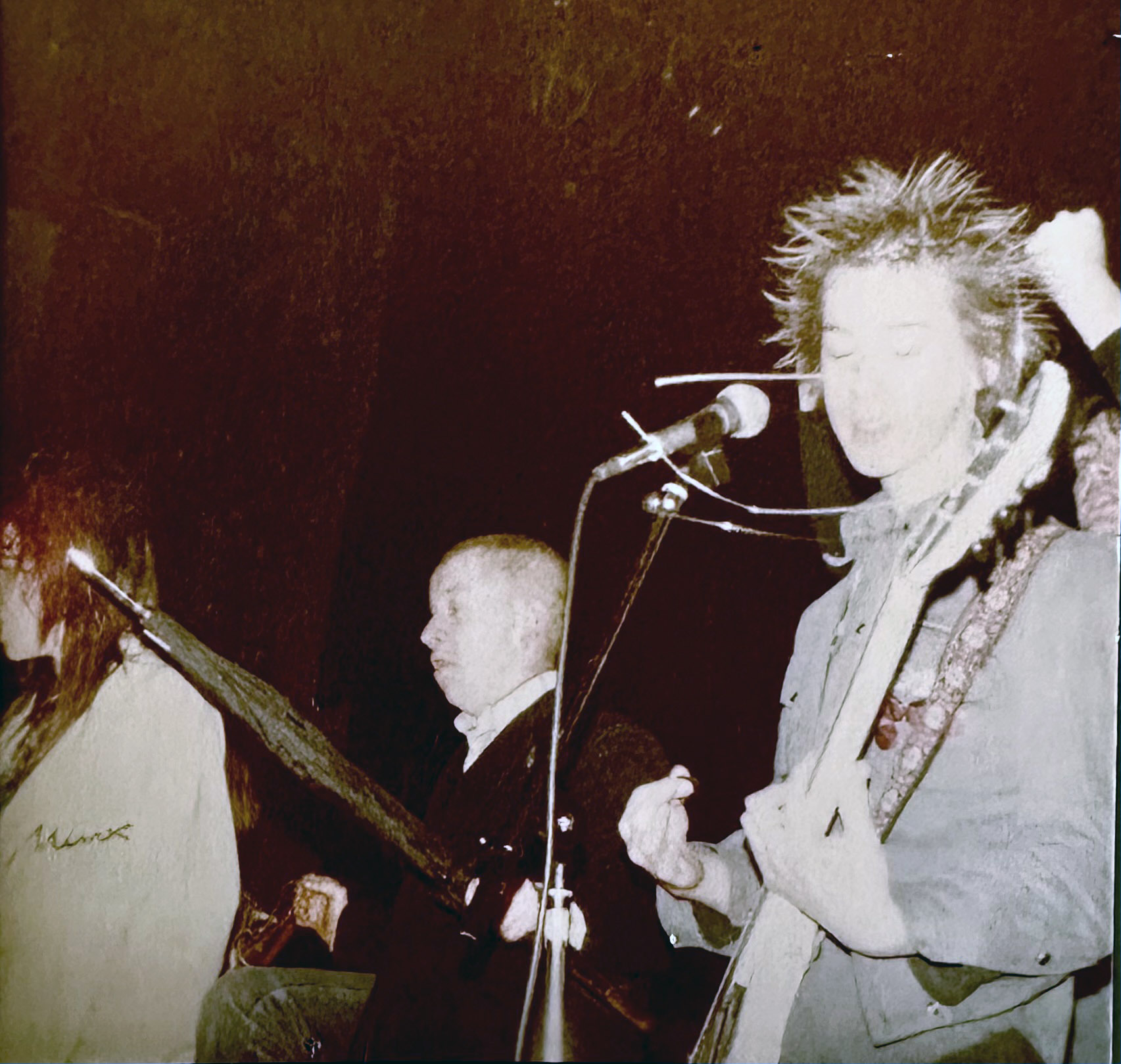
“They were shouting down the microphone that they were from the British Movement. They were kicking hell out of the bands drummer”
Eye witness from, Newham Recorder article
Zillah Minx, Rubella Ballet, recalls the gig.
Zillah Minx
Play audio
Background
Zillah Minx, born 1961 in Birkenhead, grew up in East Ham and co-founded the anarcho-punk band Rubella Ballet.
Transcript
Our actual first official gig was Theatre Royal Stratford. So, yeah, it was supposed to be a benefit for the Theatre Royal Stratford. And I wanted to do that benefit because when I was a child, I’d gone to Joan Littlewoods workshops there. She was famous wasn’t she, and she used to do these workshops at the Theatre Royal that were free. So my mum sent us there, all us kids. So we used to go to these drama workshops, which was pretty cool, because they did things like invite- She invited the cast of Please Sir, which was a big comedy programme at the time, so that was funny. And it like she’d pay for us to go to and to watch the matinee and stuff. So that was good. So yeah, I was interested in, like, doing this gig because it was a benefit for Theatre Royal. So on the night, we played first, and there’s a tonne of skinheads turned up, and I remember they started spitting at me and stuff. So I stopped the gig and pulled one of them up and threatened to kill him for spitting on me, because I wasn’t amused about being spat on. So he came on stage and apologised to me, but there was, like all these other skinheads causing trouble.
It used to happen a lot in those days that skin nd would come to the punk kicks and try and threaten everyone, beat him up. But they turned up at the Theatre Royal and they they were threatening like my band, Rubella Ballet, whilst we was on stage and, but because I knew the punks in the audience, they were stopping the skinheads from getting worse. So we managed to do our set, and that was just fine, and we stopped. But then when Poison Girls came on, everything just went absolutely haywire. They started- the skinheads started ripping the seats out and stuff. So there was a big riot. I don’t even remember if it- in fact, at the time, we was upstairs doing an interview with somebody looking down at what was going on, and that’s when we saw it. So, yeah, that was a bit of shame. So that ended up with not being a benefit, because obviously they lost money with the seats being ripped out and stuff.
Despite such confrontations, the Theatre Royal remained committed to showcasing contemporary voices and reflecting local culture. The following decades brought further musical milestones: Tom Robinson’s return performances in the 1980s, and later, new musicals such as The Harder They Come with its reggae soundtrack, and The Big Life — the first Black British musical to transfer to the West End. More recently, artists including Emeli Sandé and Clean Bandit have performed there, sustaining the theatre’s enduring musical legacy.
Oral histories
Deni Francis
Play audio
Background
Deni Francis, born 1970 in Grantham, grew up in Newham and took part in youth theatre, dance and community arts at the Tom Allen Centre and Theatre Royal Stratford East.
Transcript
Also the Theatre Royal put on musicals. They had the variety night. So at Philip Hedley’s, who’s recently died, at his celebration, which was a few weeks ago at Theatre Royal Stratford East, which was incredibly beautiful, powerful event, I was amazed at that, I mean, I know a lot of the story because a lot of my youth theatre friends who are now doing incredibly successful in the world of theatre and music and etc. But their whole thing, the Five Guys Named Mo that musical going to the West End. There were stories I knew and stories I didn’t know. For example, Peter Straker was there singing Phantom of the Opera. Phantom started at Theatre Royal Stratford East, started- Started and Peter Straker sang. It was incredible. He sent me to other opera singers. I’ve got goosebumps now remembering, it was just the other week, and then the story was told how it was first performed at Theatre Royal Stratford East. Cameron Mackintosh came, saw it, wanted it. Deal was done, but they didn’t take Peter Straker. And this is what the belief is, and I believe this, because he was of colour. Peter Straker has got an amazing voice, amazing singer, amazing performer, but I hadn’t even known that story. But there’s been a huge history of musicals and music at Theatre Royal Stratford East from, you know, from, Oh What a Lovely War, which, of course, I was too young to have seen, but that, that agit pop kind of like legacy. I’m thinking about, oh, well, I did, I did a show there called, There’s Something About Simi, which was Pravesh Kumar Rivko, and that was, you know, dancing and music in that. I’m thinking of all the many musicals there. I’m thinking of Ragamuffin, which was an incredible show they put on, incredible show. They were the days you could drink and smoke in the auditorium, and the show went on about two hours longer than it should have done.
They opened up the back doors in the source because, because everyone was like, smoking and drinking and and you just went on and on and on and on and on, they kept – deep rewind so that it was just it turned into a gig. It would have been probably the 90s, I would say. They redid it again. Also, The Harder They Come. In fact, a new version of that is coming back with Matthew Zia, who’s an incredible local guy. Matthew, I first met Matthew in the DJ Excalibur at Theatre Stratford East. They were in their youth theatre there at Theatre Royal Stratford East, when I did some work with the youth theatre, Matthew’s directed various shows there, Tambo and Bones and now they’re directing The Harder They Come. It’s come back, it’s a different version. So I’m really looking forward to go to see that. So they’re real history and of not just the white musical of that different genre, using hip hop, bringing for the first time, and bringing ska and ragga and stuff into it. Yeah, it’s been a real incredible for that. So I think Newham is unique in that. I don’t know anywhere else that’s got that legacy. Yeah, it was amazing. It was amazing just thinking of that night and how much music there was in that night. The original, well, some of the original singers from Five Guys Named Mo came when they do the number, quite something.
Alex Oma-Pius
Play audio
Background
Alex Oma-Pius, FRSA, born in Nigeria, is founder of IROKO Theatre, using African creative arts to promote heritage, education and well-being. Here he talks about Theatre Royal being used as Nigeria House during the 2012 Olympics.
Transcript
Just before the Olympic, it was one of our aim, you know, to have a place, you know, where Africans can come to, or you like you said, people can come listen to African music, or, you know, take part in African, you know, cultural activities. You know, the closest that happened was during the Olympic when the Nigeria as a country took over, took over the, Theatre Royal. So it became a Nigerian house for about three, four days, the whole, you know, you had, you know, Nigerian theater performances, music, you dance, you had exhibitions, you know, food and so on, arts and crafts, and it was beautiful and it was the type of thing we were hoping to have as a permanent, you know, structure in place. Is not just of for Nigeria, but Africa like you said, you know where Africans can come and experience African arts and culture.
Unmesh Desai
Play audio
Background
Unmesh Desai, born 1959 in Baroda, India, co-founded the Newham Monitoring Project (NMP) in 1980 organising anti-racist campaigns and cultural festivals in the borough. Here, talking about the 10th anniversary event for NMP at the theatre.
Transcript
Because the Theatre Royal is so well known in the art and cultural world, so we thought it would be of some symbolic importance to do it there. That you know, rather than knocking on the side doors or going into community centres in East Ham or whatever, let us organise something like this. A very unique event in what is recognised as one of the leading pillars of British art and culture and cultural life.