Canning Town pub featuring rock, punk and Rodigan’s reggae
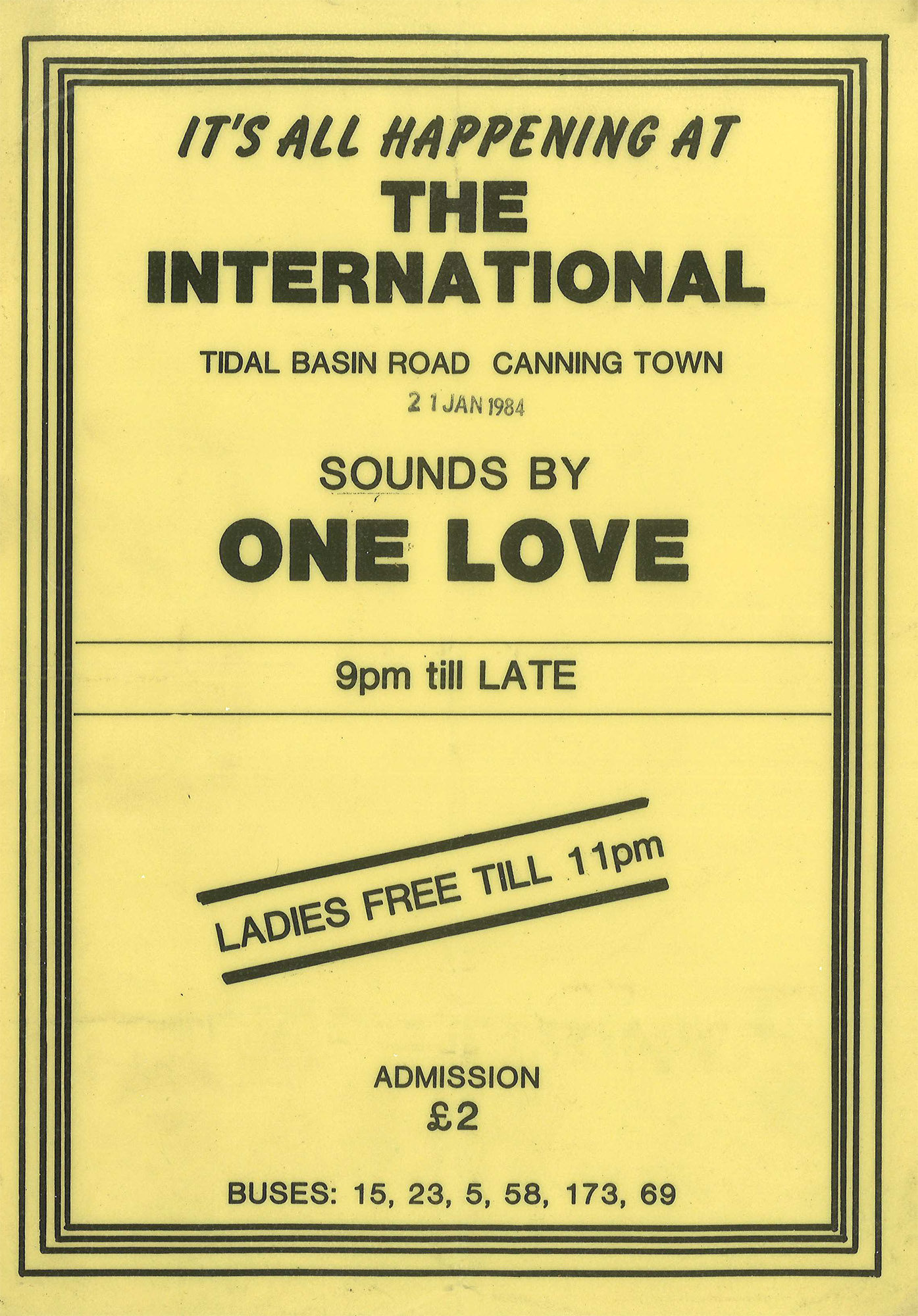
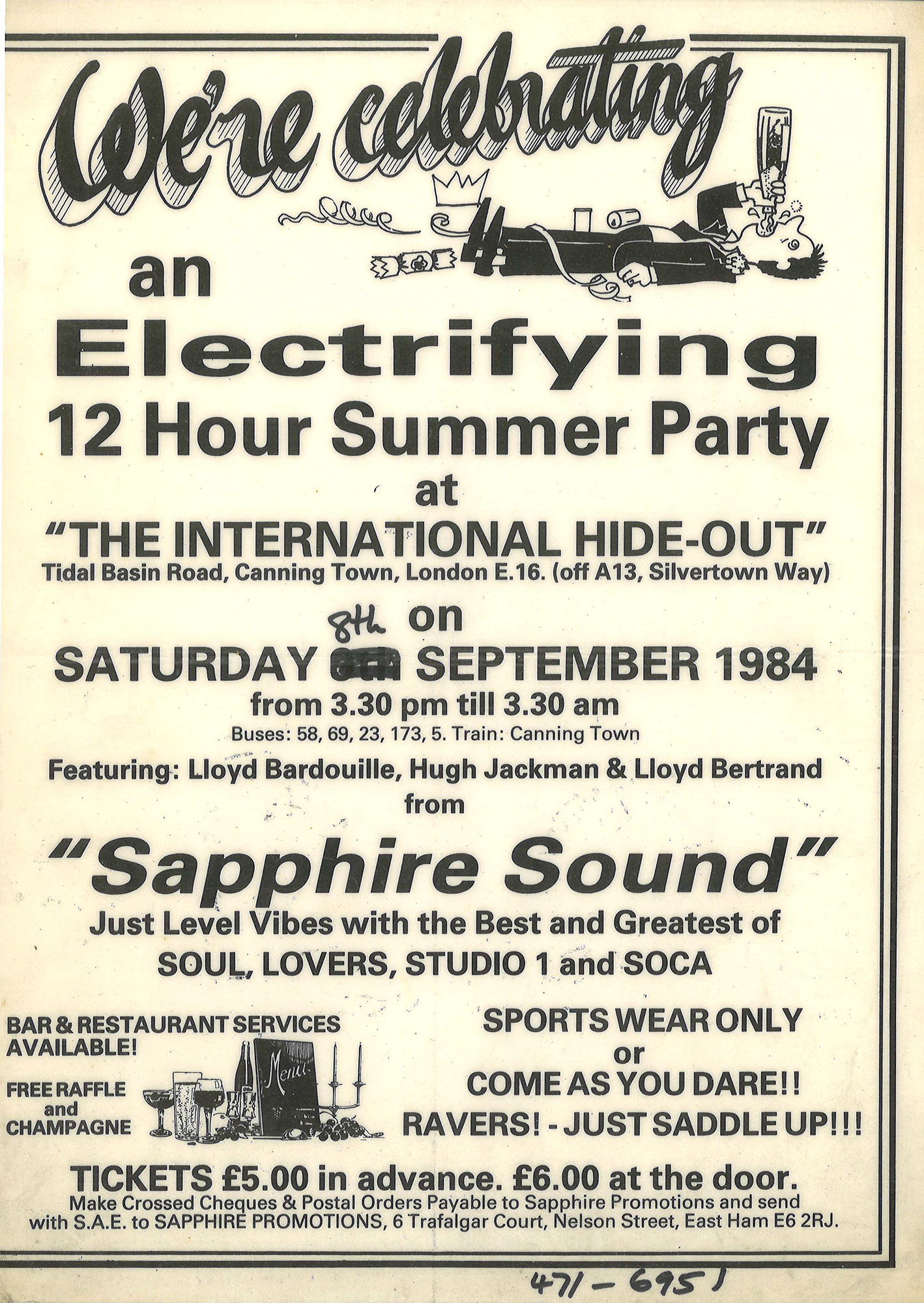
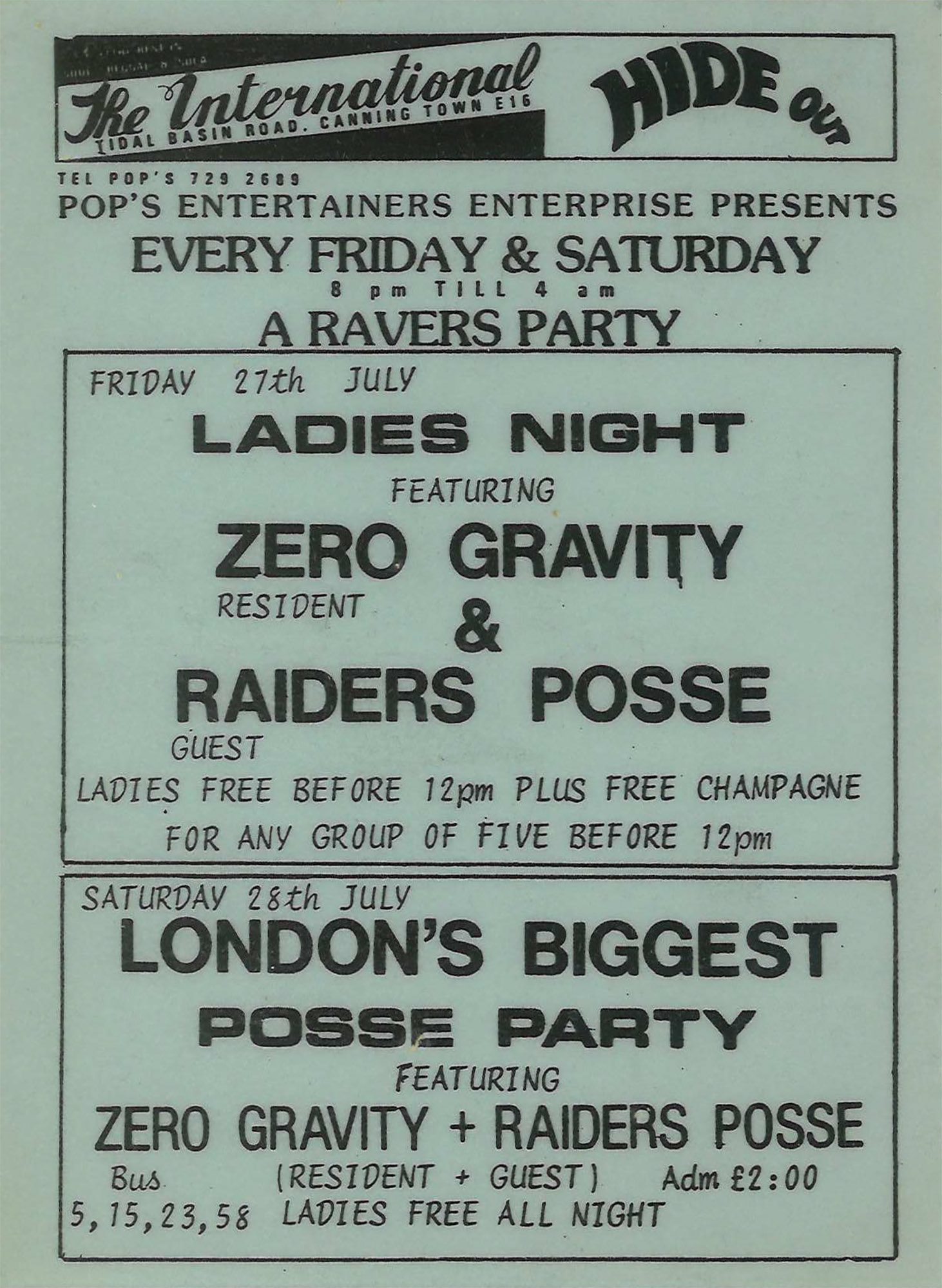
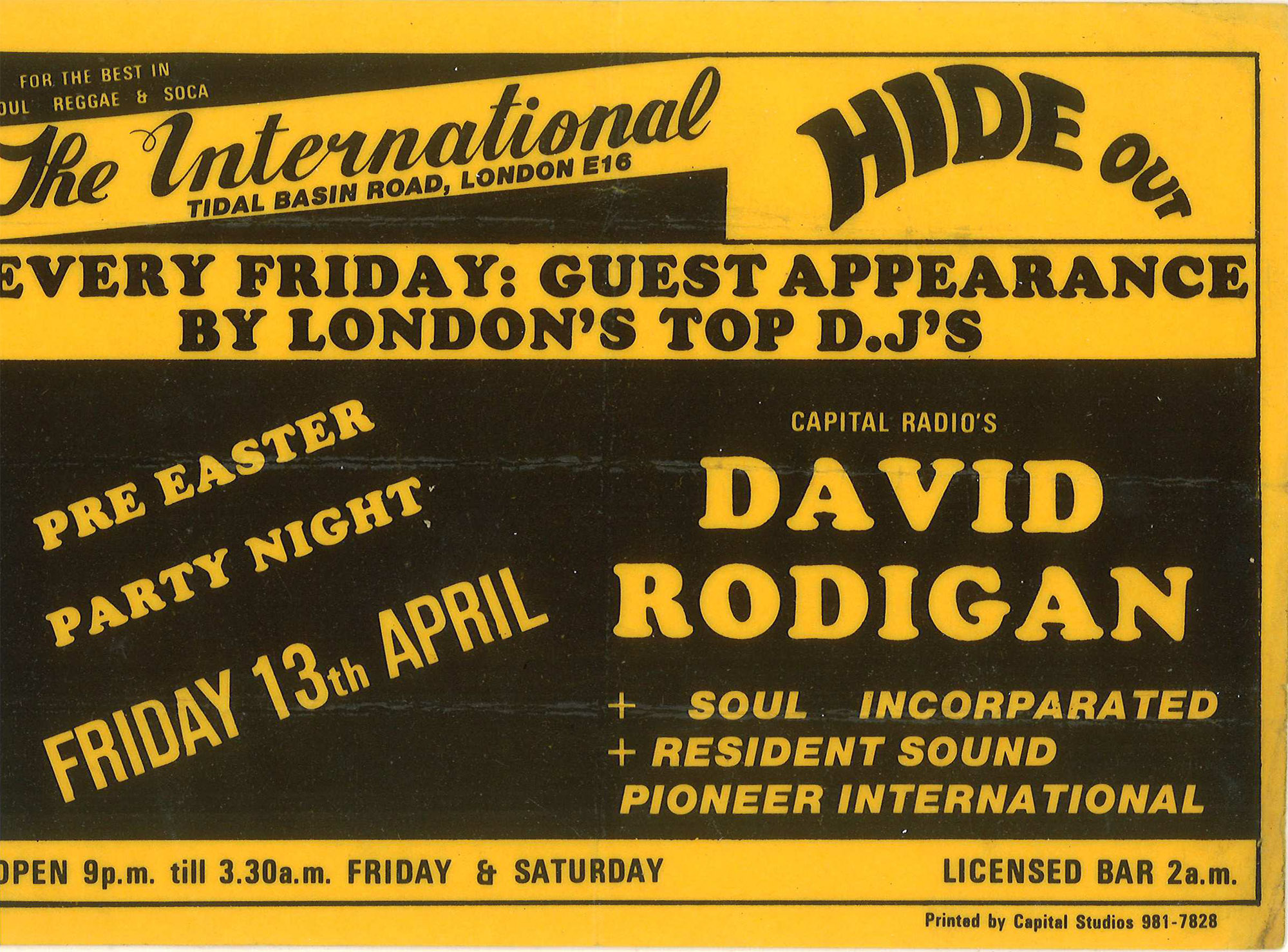
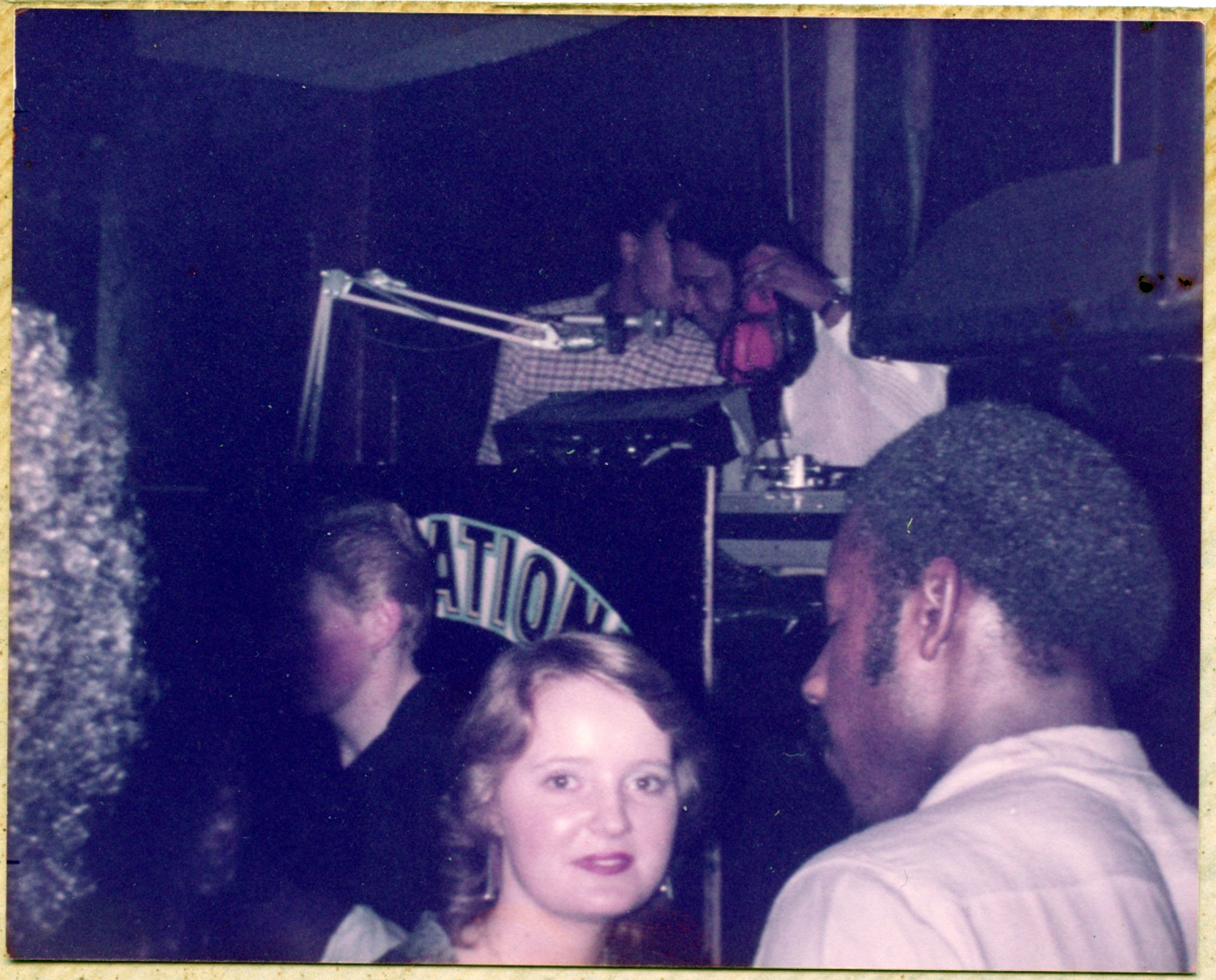
Situated in Canning Town, a pub called the ‘Tidal basin Tavern’ occupied 31 Tidal Basin Road for more than a century, operating between the years 1862-1997, before finally being demolished in 2014. In that time, the pub has also been known as ‘The International’, ‘Rivers’, ‘Truman’s’ and ‘Fuller’s’. But regardless of what name its punters knew it as, even into its old age, through the 1960s, 70s, 80s and 90s the pub managed to maintain its reputation for being lively, noisy and a bit of a roughhouse. In the daytime, you could savour a pint whilst being entertained by strippers and in the evening the pub was dominated by live musicians playing rock, punk rock, heavy metal, or the blues, or you could tune in to live DJs such as David Rodigan, who is known for his selections of Dancehall (Bashment) and reggae, or Neil Charles with his selection of disco and jazz funk. Tidal Basin can be viewed as a venue that was eclectic and constantly evolving, with every decade, every day of the week and even different times of the day offering completely different musical vibes.
Video
Oral histories
Neil Charles
Play audio
Transcript
Neil Charles, born 1958 in Karachi, is a DJ who played at Tidal Basin alongside David Rodigan before becoming a resident at Bentley’s in the 1980s.
Transcript
Tidal Basin, I just thought one evening, I’ll just go and see what’s going on about. And then I had a word with the manager there, and the owner I found out later, whose name was Ryland, and he said to me, ‘Yeah, come play for me’. So I played for him a few times, and that was it. I was resident DJ there, and that’s where I met Derek. Derek Boland, so he was doing a night down there, and then Rylan said, ‘Well, you DJ with Derek as well on a Thursday night’. I think it was so we used to do a Thursday night there, and Derek must have been 16, 17, really young. Tidal Basin, I DJ’d, or warmed up for like so Rodigan and a couple of capsule radio DJs. On the Rodigan nights. Oh, my God. The walls were sweating. The glass was sweating. You couldn’t move in there. You know, Rodigan used to play quite a few months in a year there, and Ryland used to book him for quite a few months, because it was absolutely jammed, absolutely jammed. And the Rodigan nights were memorable. You know, I mean, Rodigan DJ’d with a towel around his neck. That’s how hot it was. He walked in with a towel. It was like he was, you know, going into a boxing match. But all along there, maybe half a mile down the road, the queues of cars, you know, it was ridiculous, and that was people still waiting to get in. It was like one in, one out, because Tidal Basin only, maybe a held 250, people, 300 tops.
Rob Watson
Play audio
Transcript
Rob Watson, born 1968, is a Newham resident, music enthusiast and record collector who came through Eastlea Community School and Youth Club, and Newham’s vibrant 1980s club scene.
Transcript
Not just for reggae music, but I think across the board for African Caribbean music, Tidal Basin has been very pivotal. It moved from, say, soul to reggae, from reggae to dance, from dance to house. So it’s been it went for a lot of those stages, and Tidal basin was very pivotal in that.