
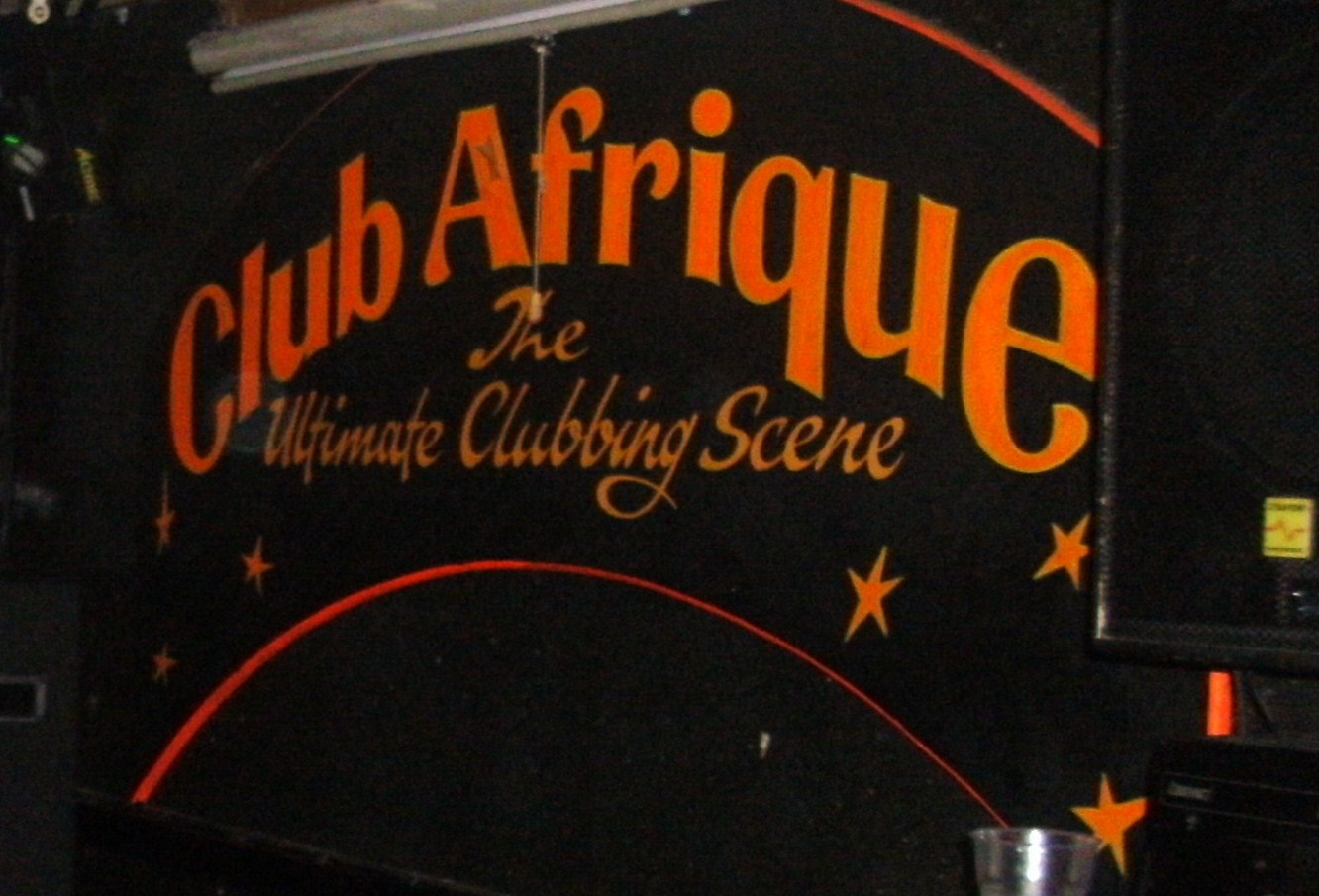
A Cultural Hub for African Sounds
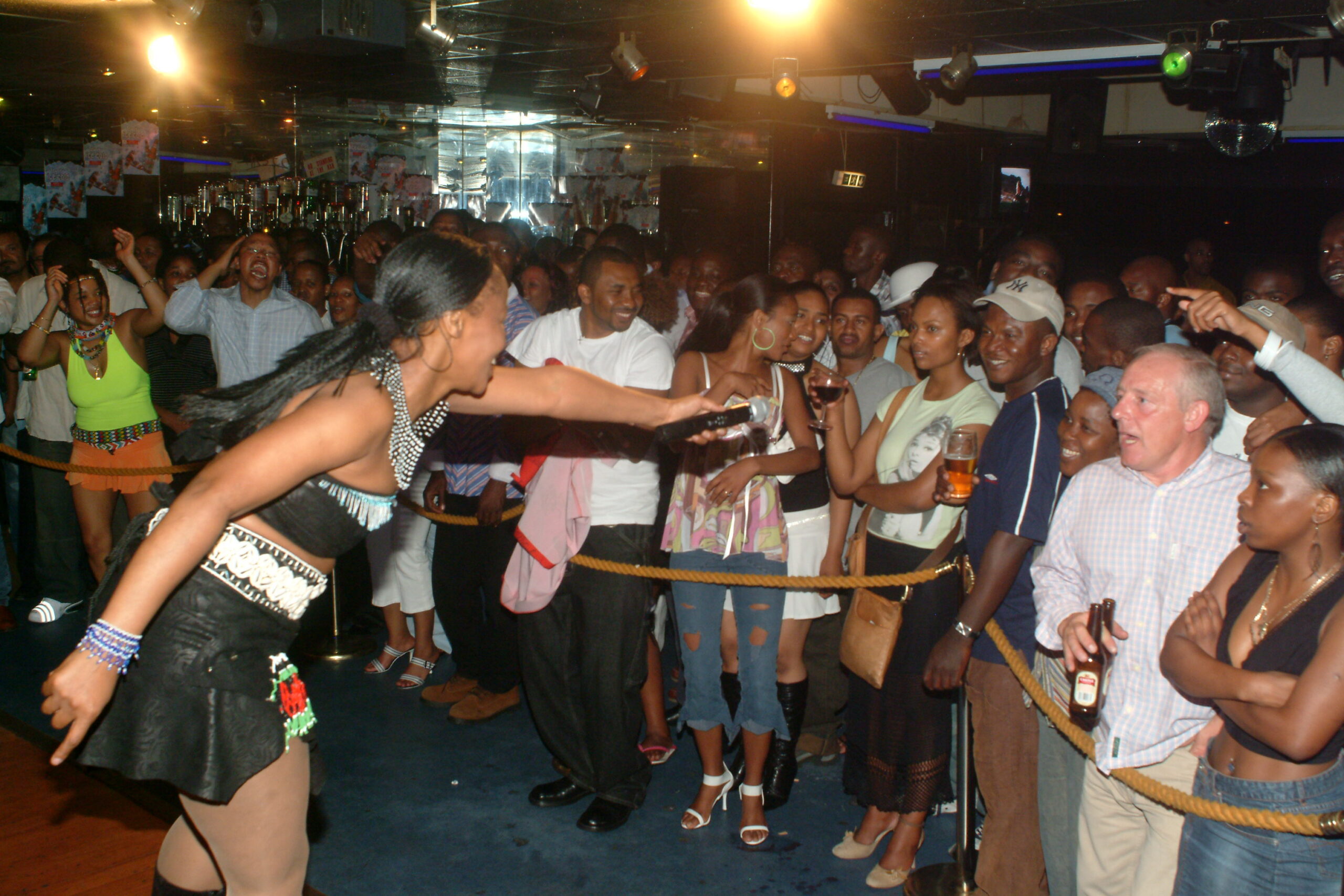
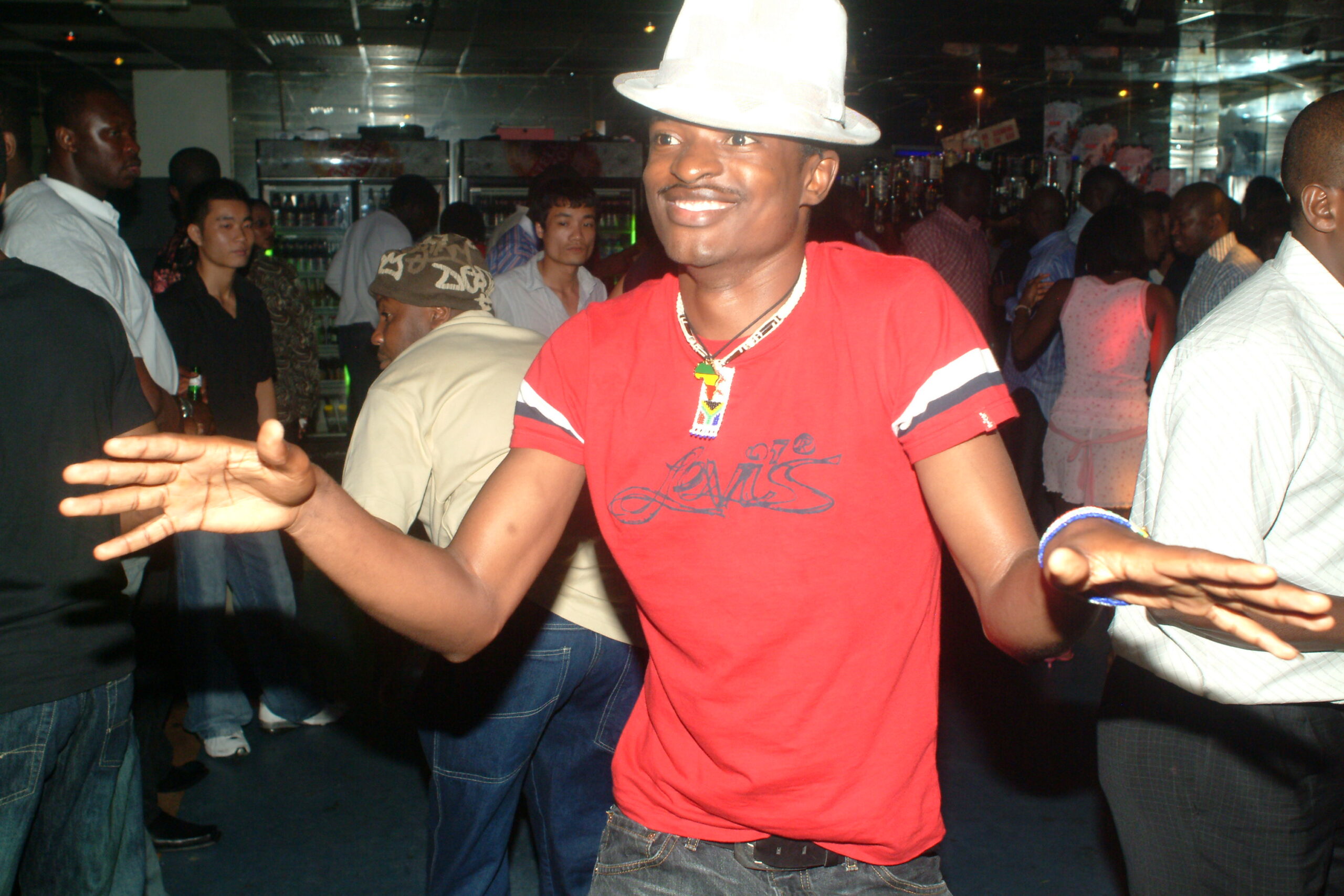
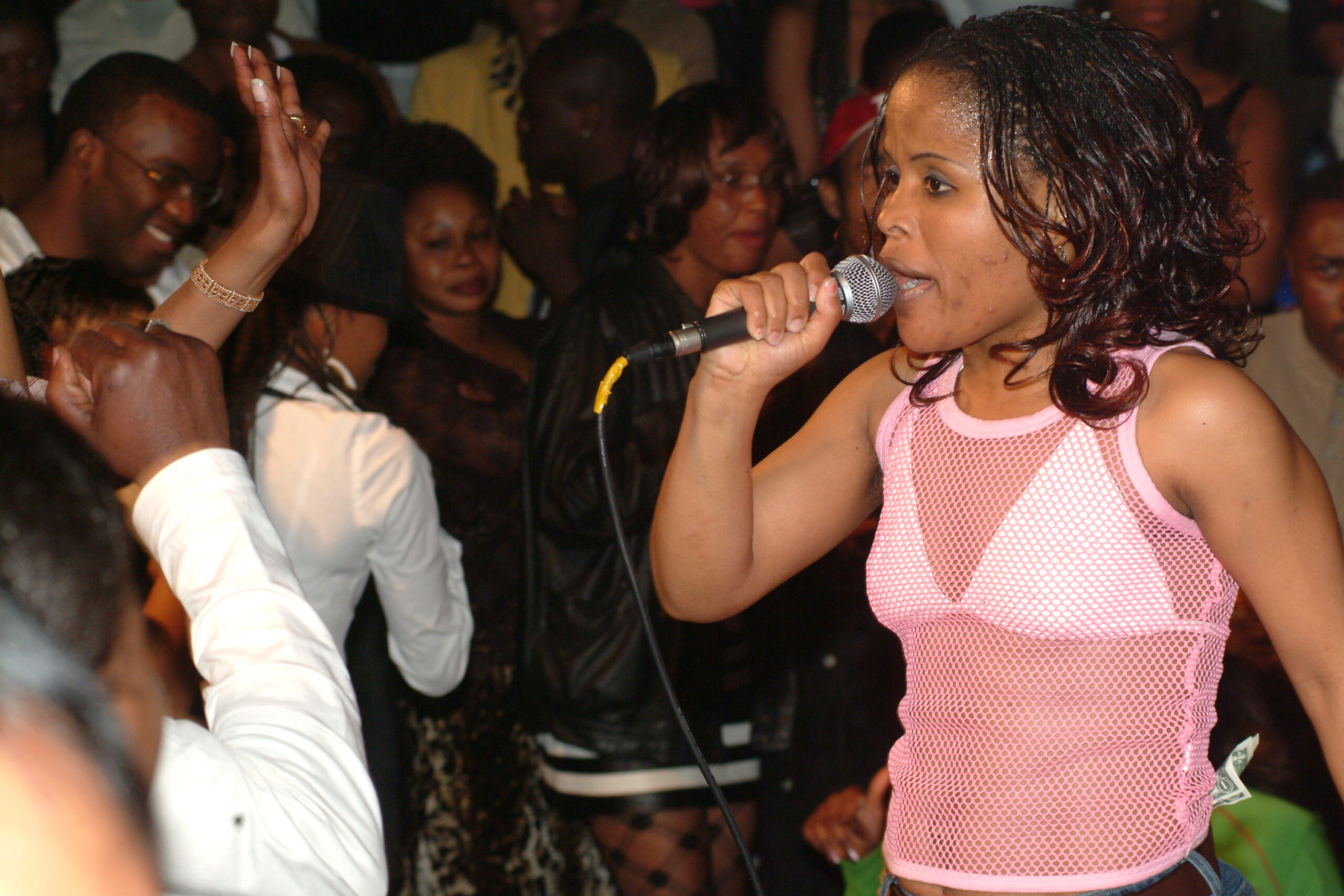
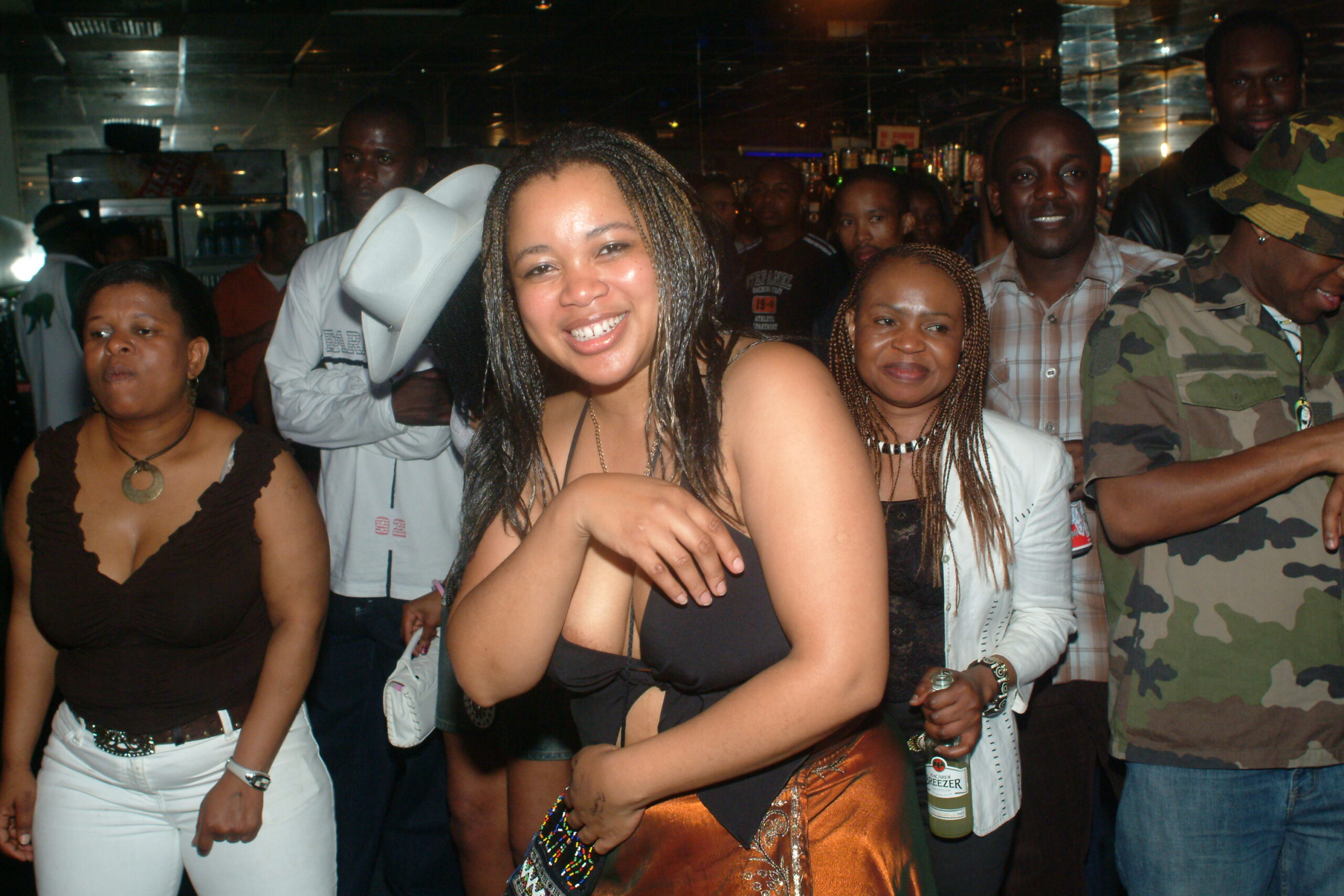
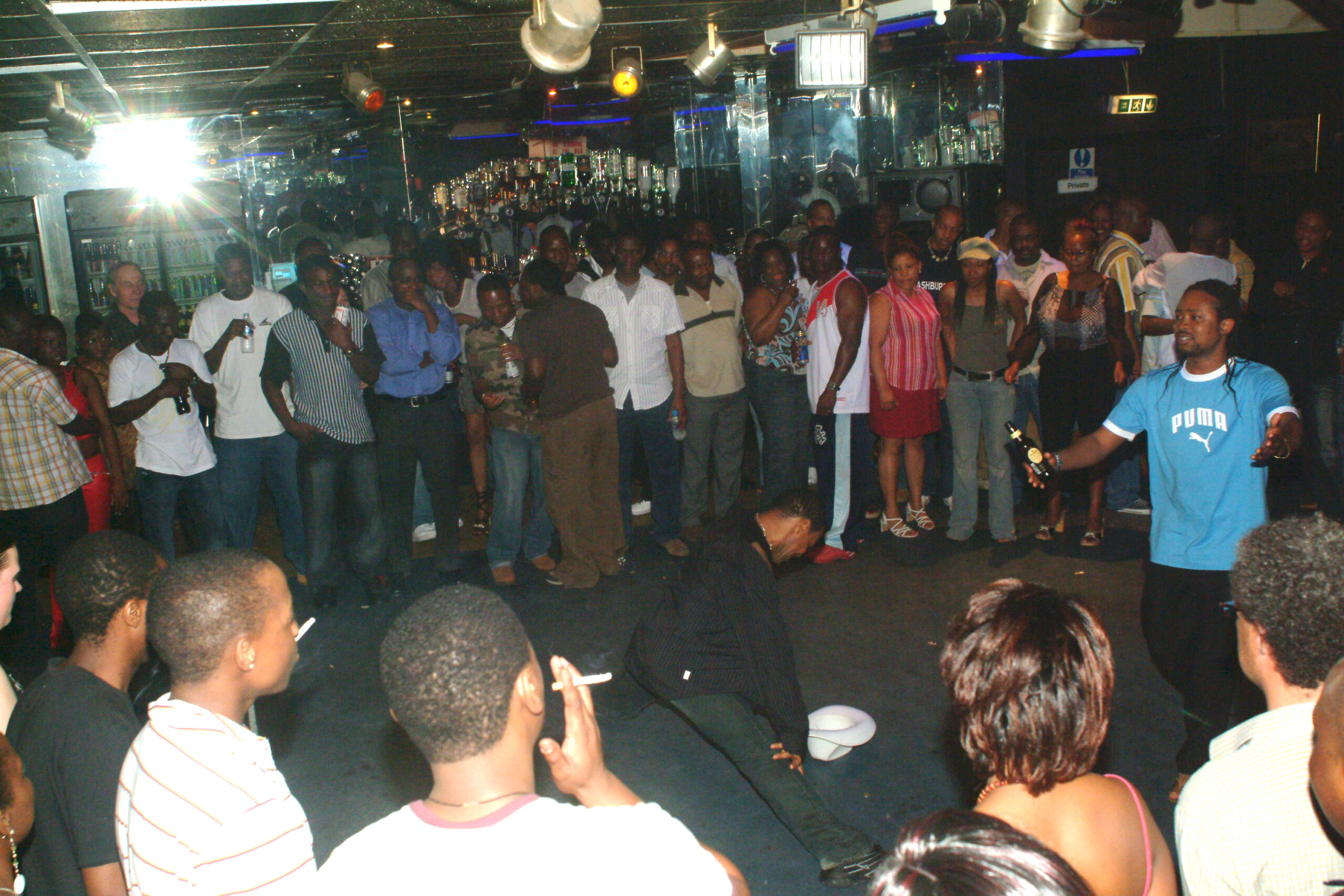
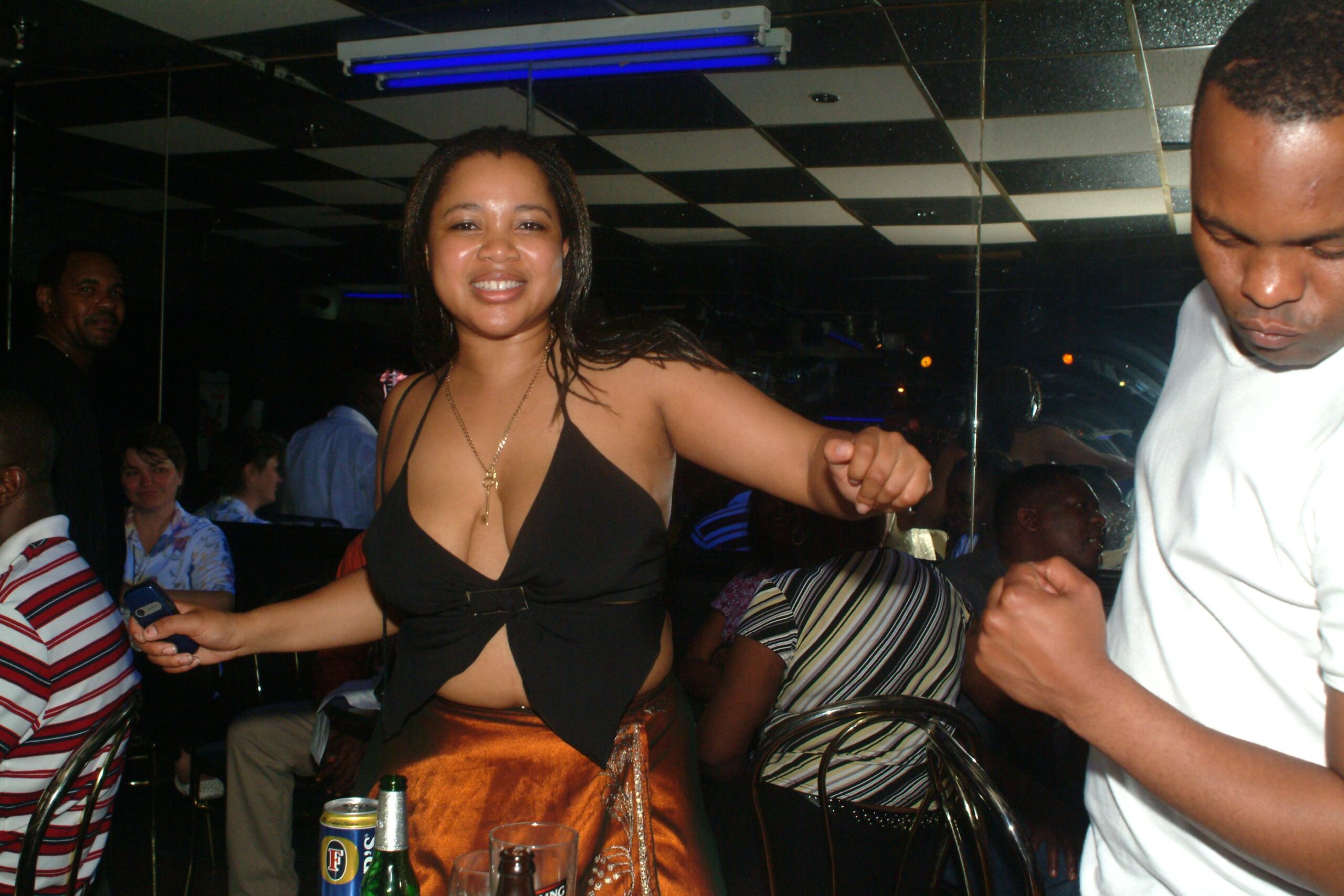
Opened in the mid-1990s, Club Afrique quickly became one of East London’s most significant African music venues, running until its closure in the 2010s. It offered a vital space for London’s African and diasporic communities to gather, dance and perform, and became known for its late-night energy, live music and DJs.
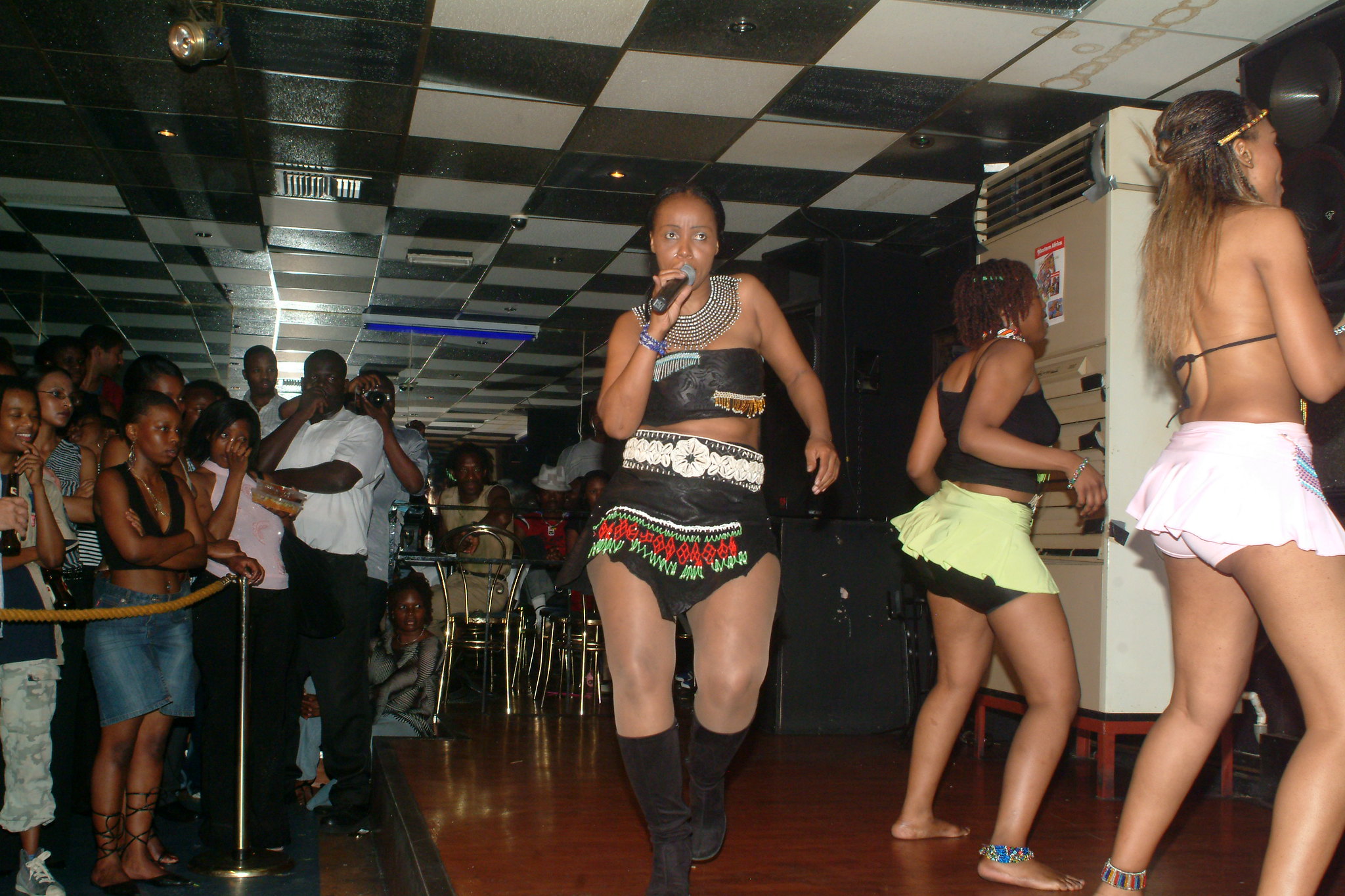
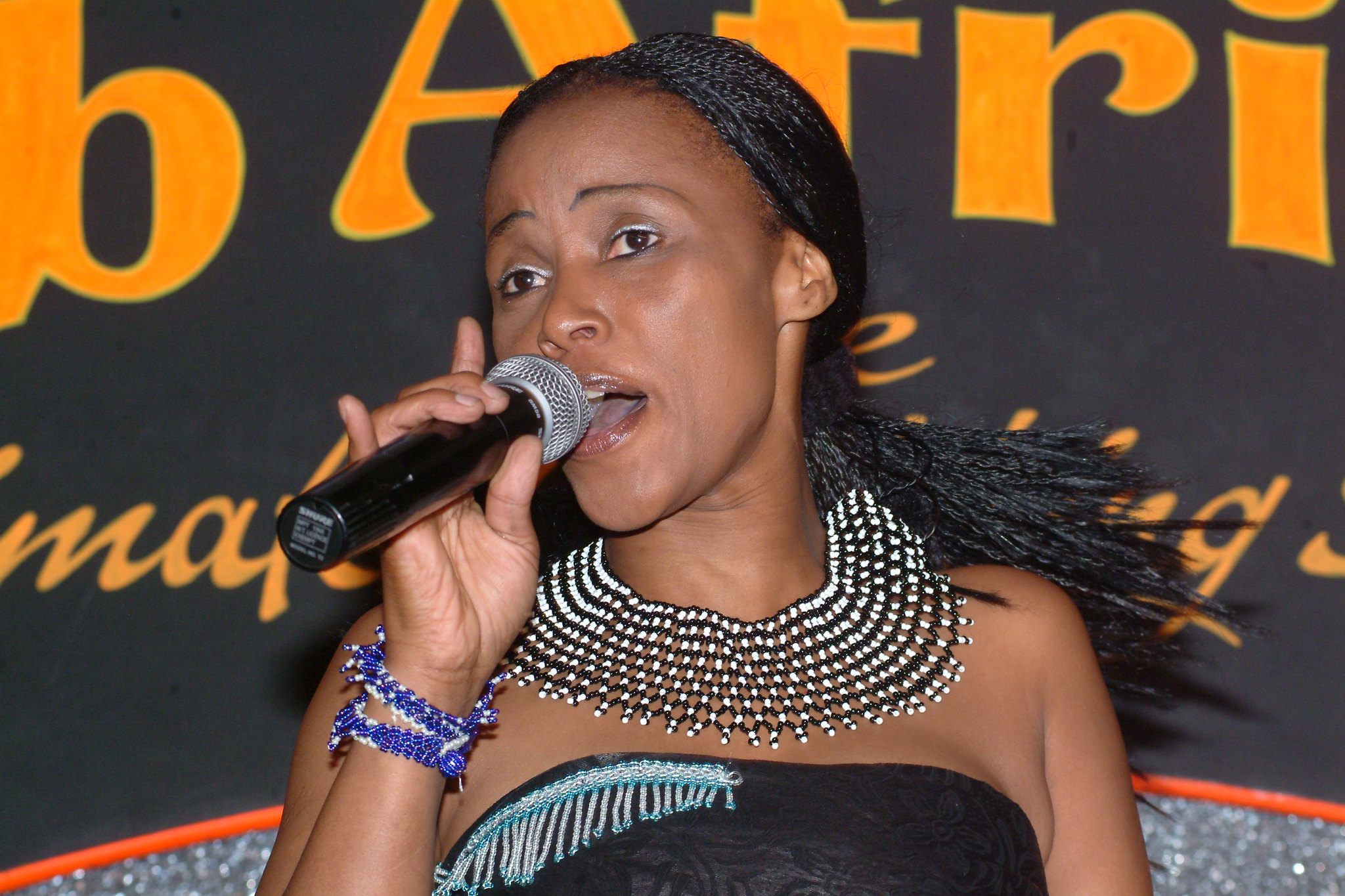
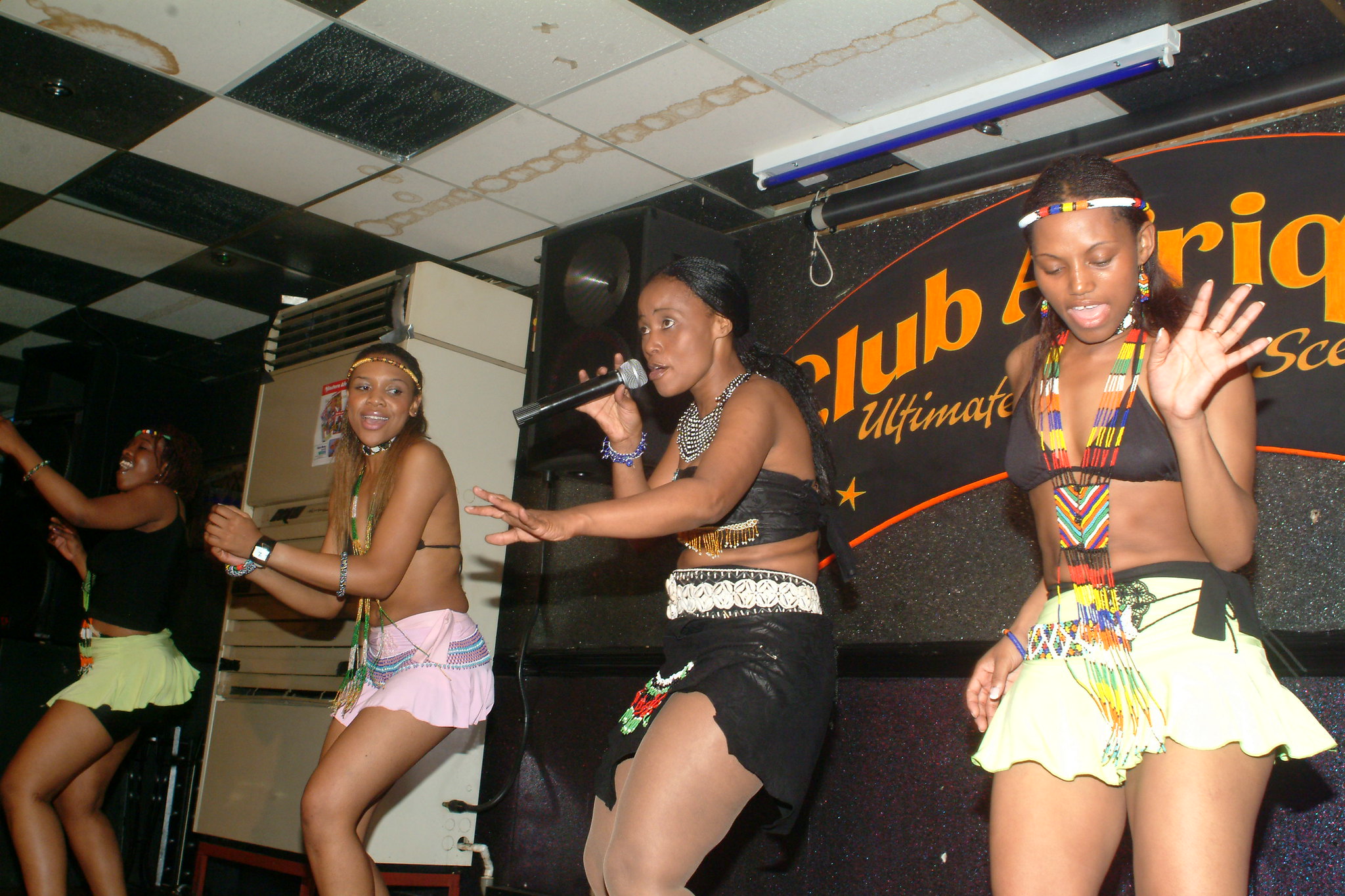
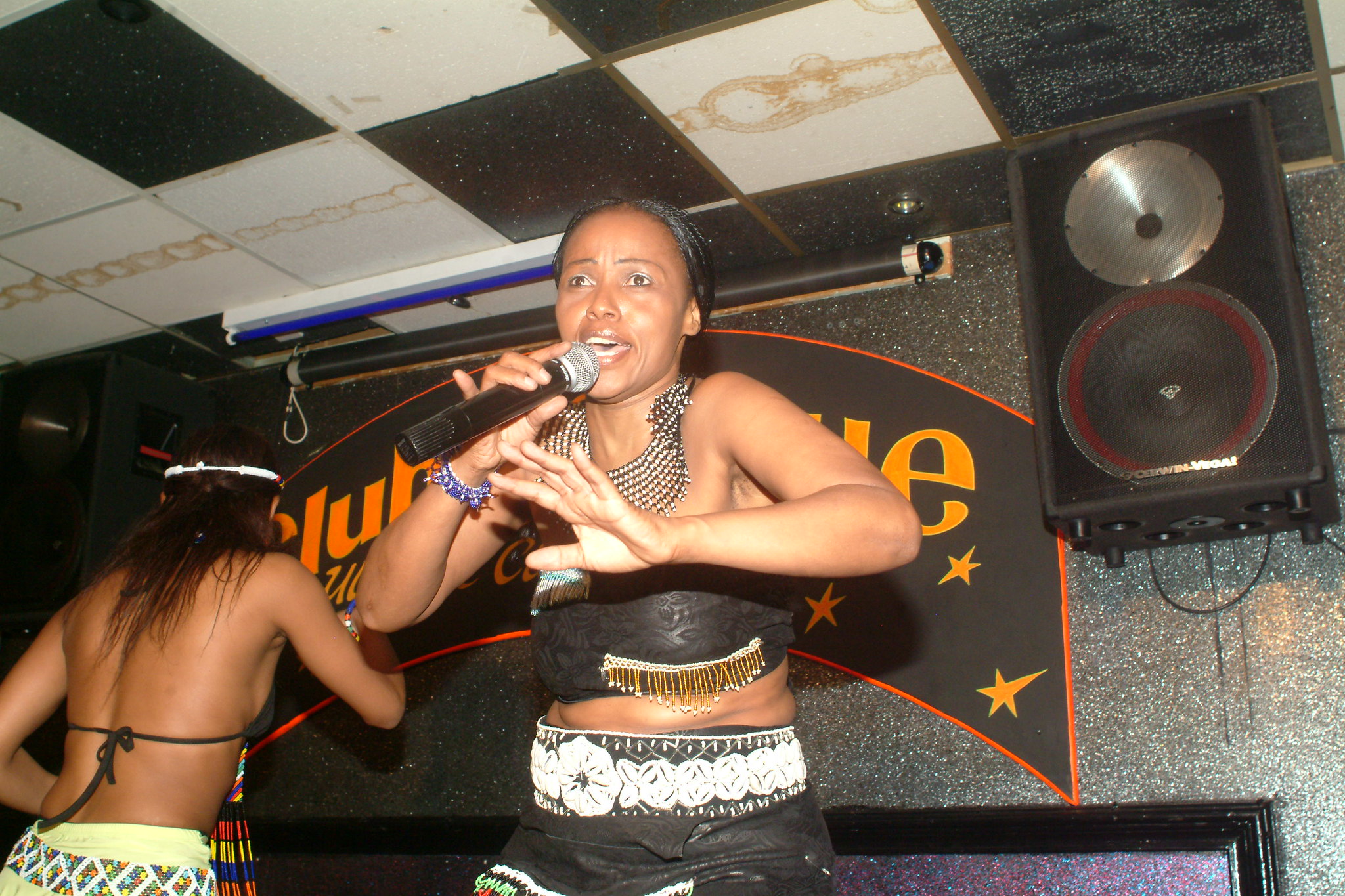
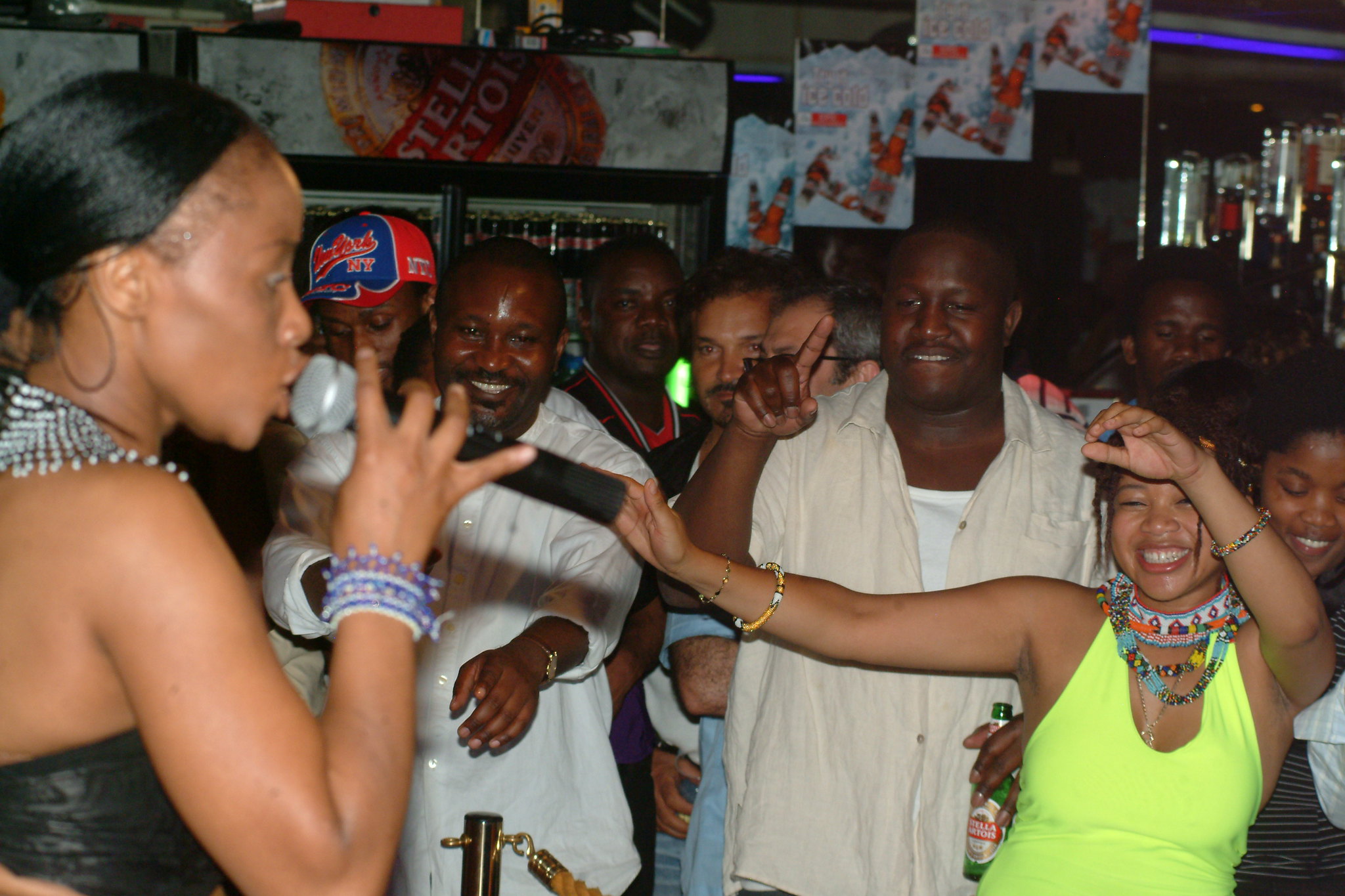
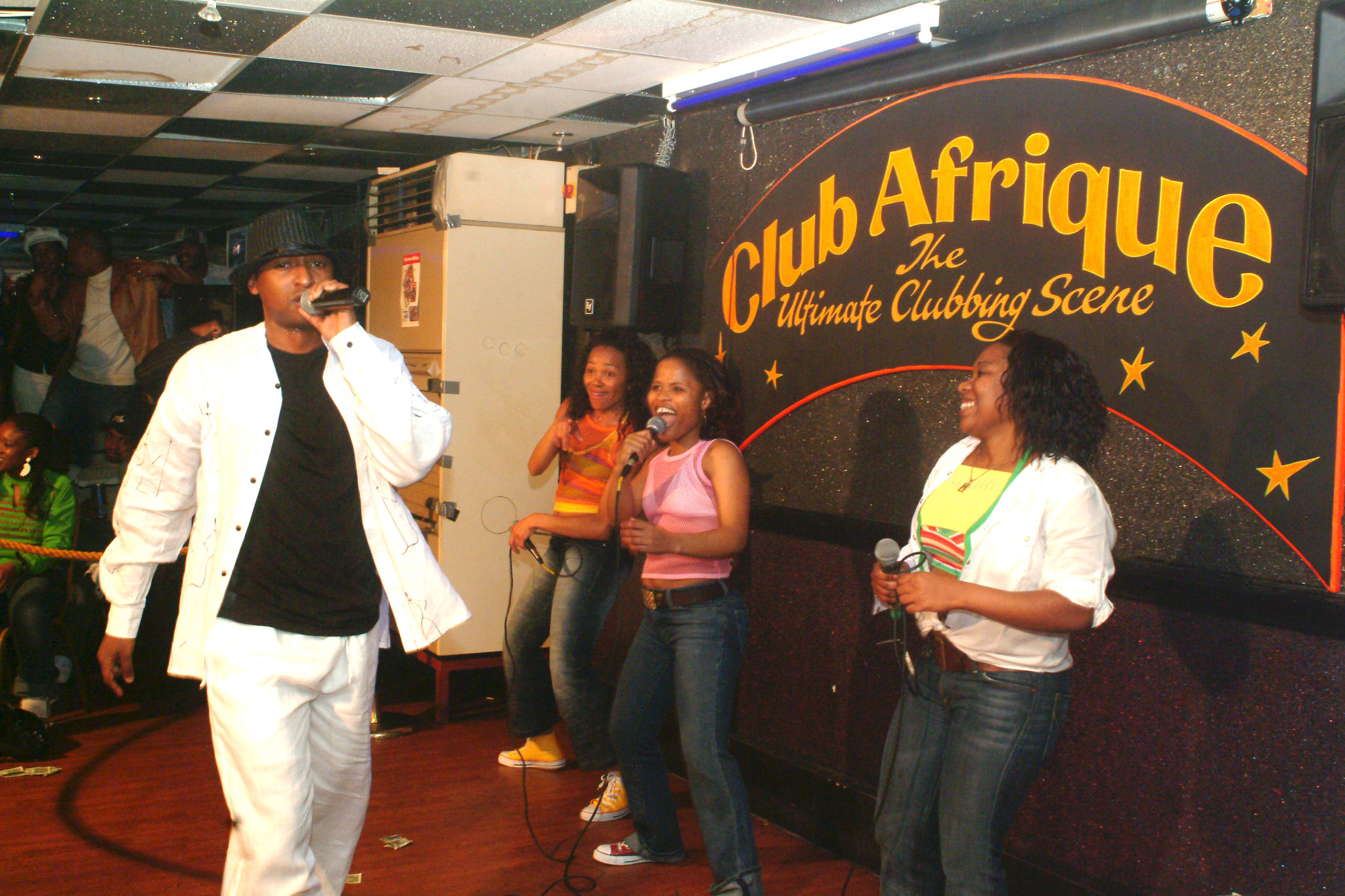
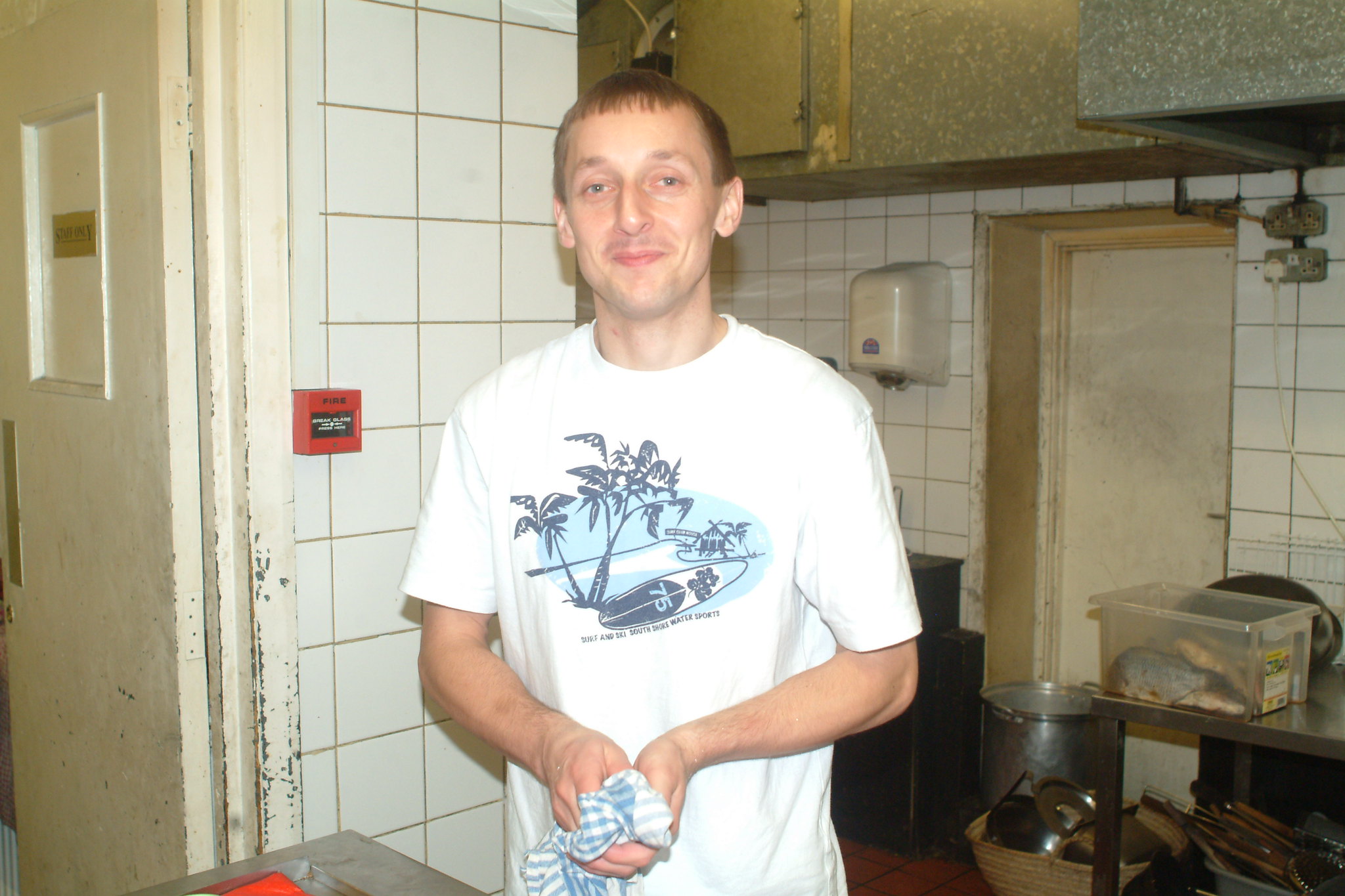
“Club Afrique was the best!”
Kawele Mutinmanwa
The club’s programme reflected the breadth of contemporary African sounds, from rumba and ndombolo to kwaito, hip-hop, R&B and soul. High-profile artists such as Eric Wainaina, Ali Kiba and TID Mnyama appeared at the venue, while the house band and regular Sunday sessions featuring Congolese musicians cemented its reputation. Resident DJs also helped establish the club as a key place to hear new music from across Africa and the diaspora.
“It was a real cultural hub and a meeting point for everyone.”
Sara McGuinness
Club Afrique was more than a nightclub: it was a cultural hub. For many Francophone and East African Londoners, it was one of the few places to experience live African music in an authentic setting. Though it closed in the 2010s following licensing action, its legacy endures in the memories of those who found community and connection there, and in the wider history of African music in London.
Oral histories
Sara McGuinness
Play audio
Background
Dr Sara McGuinness is a musician and researcher specialising in Congolese and Cuban music, teaching at London College of Music and SOAS, and leading cross-cultural projects that connect musicians through performance and recording.
Transcript
I searched around, and I found this Congolese guitarist called Kawale who actually lived in East Ham. And Kawale in 2005 said to me, ‘Come out with me and some friends’. 2005, 2006 and we went out on a Sunday night to Club Afrique. It was incredible, because I’d never known about the place before, because it’s a club that was very, very much within the African communities in, in East London. So I went along with him and some friends on a Sunday night, and we walked into this place. And when you walk into Club Afrique, you walk in through this small entrance. There’s a little restaurant. At the end of that little restaurant, there’s a, there’s a there’s a hatch where they were selling yamachoma, the fantastic barbecue goat. And then you walk past that, and you go and it opens out into this massive hall at the back. Apparently, it used to be a Kray brothers snooker Hall. So opens out into this massive hall that’s behind that, and that’s Club Afrique.
Congolese popular music is one of the most amazing musical styles, and it’s popular pan Africa, which is what it made sense that they’d have a big Congolese band there on the on the big night, we were the core band, and there were actually about 12 of us. Then if there were any visiting musicians in town, they would always come along to Club Afrique, as I it was a real cultural hub and a meeting point for everyone, as well as the dancers, there was this guy called Christian who was what’s called an atalaco. So an atalaco is like a rapper in Congolese music. So they get up on the stage in the dancing part of the music, and they and they’ll shout out all these dance moves. And Christian and his friend, this is one of the things that I loved about it, they used to every week, come with a different theme, and they’d sort of keep hidden until it was the time for them to burst onto the stage with this energy. So, one time they’d come completely dressed up like tennis players. Another time they’d come with skateboards and everything like skateboarders. They’d have a different theme every week, and they’d completely dress up identically, and then burst onto the stage and do their stuff.
And then after us, Thursday night was the night where they had the strippers on, so we’d be we’d be there, and then as we’d be rehearsing, all the strippers would be coming in and getting ready for their for their show. I remember that Wednesday night there was always a Nigerian band playing and again, I think Wednesday night was the Nigerian band night, and it was always the same band.
As the economy worsened and people who had less disposable income got were the people who were affected the most. So people started going out less. I remember, it closed in about 2010, and in the last year or so, the money they paid the band was kept going down and down, and then they were saying, maybe we need to play with less musicians. And I guess it just got harder and harder.
I think it’s a great shame, because a lot of the people who went there, that was the place they would go.
Kawale Mutimanwa
Play audio
Background
Kawele Mutimanwa is a veteran Congolese guitarist, singer, songwriter, and saxophonist now based in London. He is a prominent figure in the UK’s African music scene and has decades of experience playing with various East and Central African bands.
Transcript
And we played with the ?? of my band, called Africa Jambo Band, for nearly five years, every Sunday. It was a club and in the club there was a stage on your left and on your right, were toilet. And before you get in, there was kitchen doing barbecue. We met Congolese, Tanzanians, Kenyans, Ugandans, mostly. A lot of friends. Club Afrique was the best.
Michael Spafford
Play audio
Background
Michael Spafford, born 1948 in Scunthorpe, is a photographer who documented African music at Newham venues including Club Afrique and the Stratford Rex.
Transcript
Very crushed, very excellent concerts, just crowded and quite hot. I don’t think they had air conditioning. So you were up close to people, so you got to meet people. You didn’t have much choice.
Just a lovely atmosphere. And the people who run it were nice people. The bar staff were nice people. I only got positive memories from it.
It was really not just Southern Africa. It was a lot of West Africans and I think- well, they had a Nigerian kitchen, so it was a lot of West African they had Congo, DRC people and shows there. It was just an African community.
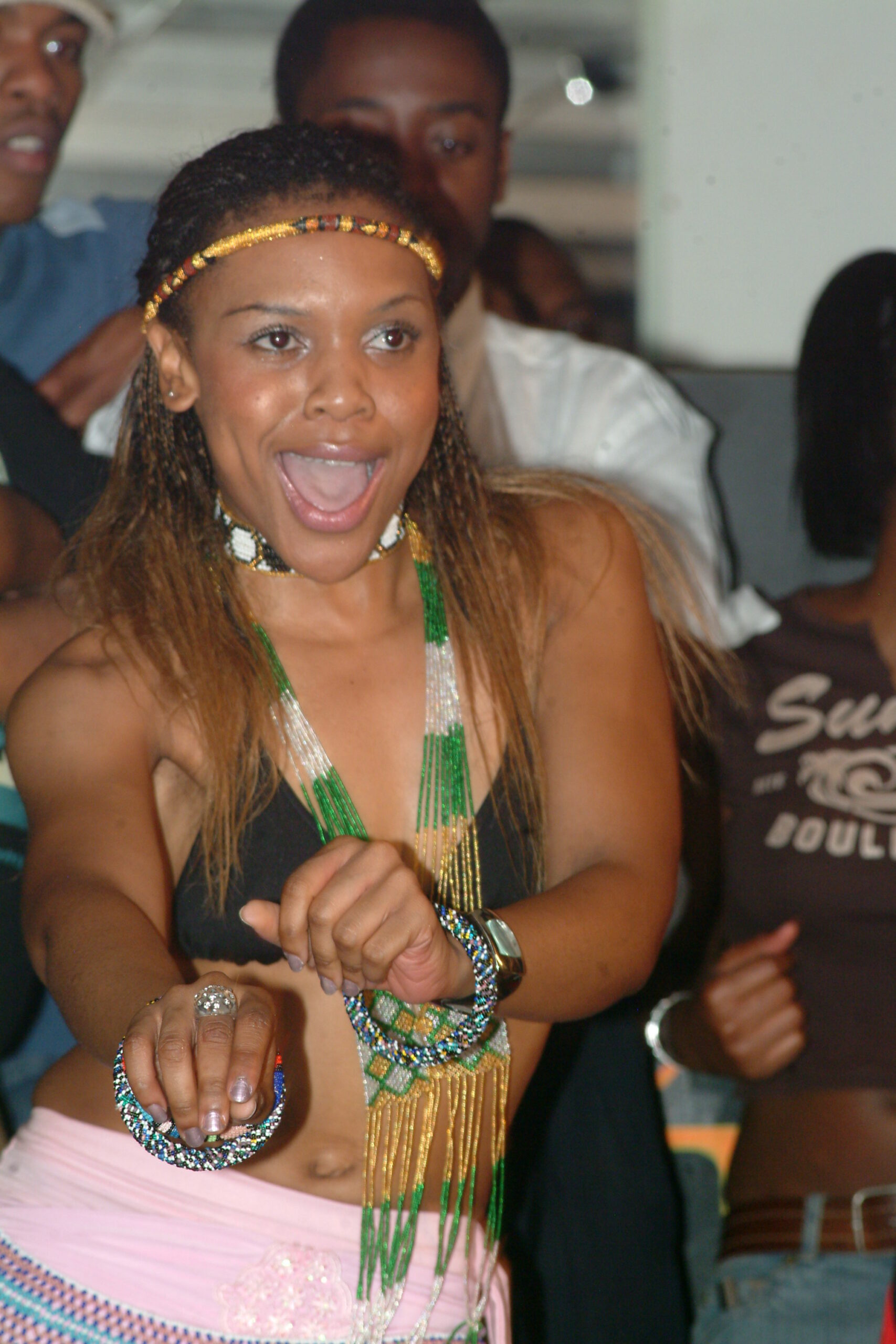
Any country that had good music. It was more local South African artists and Siso, so there was old friends of Siso, and they also had the Zulu dancing, which Siso had her own group of dancers. Zulu dancing is amazing in the costumes are fantastic.