
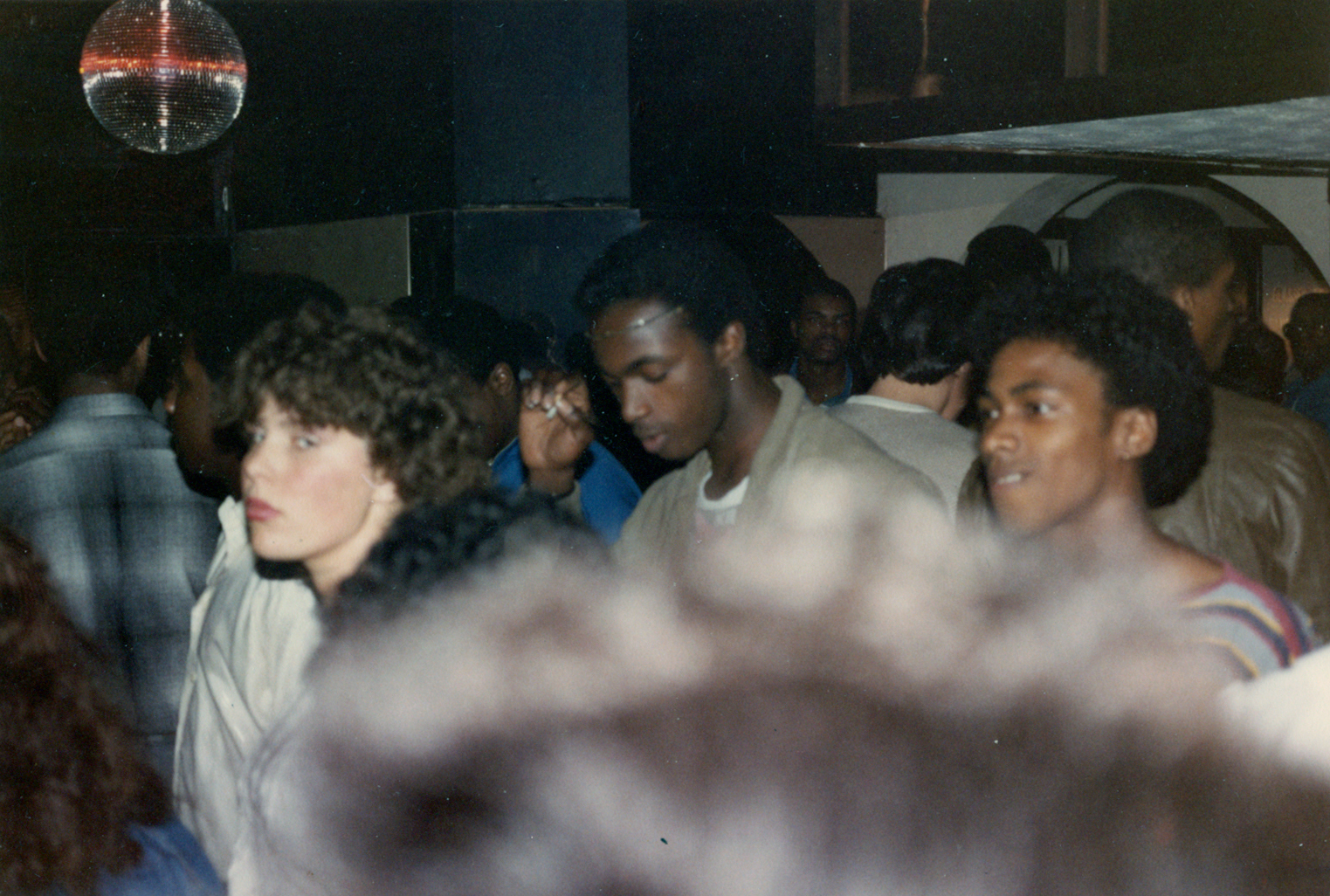
An East London club that defined 1980s underground dance culture.
Bentley’s in Canning Town emerged in the early 1980s from the former Bridge House pub, once known for punk and rock acts like Iron Maiden and Depeche Mode. Under Mark and Jack Homer, it became one of East London’s most influential Black-led venues. DJs including Froggy, Derek Boland, Linden C and Neil Charles shaped a forward-thinking mix of soul, funk, boogie, hip hop and early house that defined the era’s underground sound.


Oral histories
Neil Charles
Play audio
Background
Neil Charles, born 1958 in Karachi, is a DJ who played at Tidal Basin alongside David Rodigan before becoming a resident at Bentley’s in the 1980s.
Transcript
Electric! Every night, I mean, the anxiety to get there and not miss a record and the crowd – they were very accepting of what we were playing and it was like, oh my God, I can’t even explain it. I’ve never had that feeling again, I mean I’ve played in front of two, three thousand people, that feeling that was in Bentleys, for me, it’s never been beated.
MC Duke
Play audio
Background
MC Duke, born Anthony Hilaire in 1968 in Newham, was one of the first UK rappers to gain national attention. Starting out as a local MC on East London sound systems, he rose to prominence after winning a rap battle at DMC in 1987. Signed to Music of Life, he released influential tracks such as I’m Riffin’ (English Rasta), helping define the early sound of British hip hop and paving the way for future UK artists. He was interviewed in 2023 as part of All Roads Lead to Bentley’s.
Transcript
It was such a magical vibe in there, coz you’d go in there and it would just be like escapism. It was a place where you could escape your worries. You’d be on the dance floor, just grooving to something, shut your eyes and just rock away.
Debbie Mills
Play audio
Background
Debbie Mills was a regular at Bentley’s in the 1980s. She was interviewed in 2023 as part of All Roads Lead to Bentley’s.
Transcript
There was all this good music, good dancers, you had like, Tony Houston, and I’d not seen dancers like that, Paul ‘Trouble’ Anderson. You know, all of them, dancing around, just a whole good atmosphere. They’d be like showing each other the new moves. Everyone was dancing.
Dennis Lewis
Play audio
Background
Dennis Lewis (DJ Skanker), born 1962 in Stratford, co-founded Funkadelic Soul Sound and later managed his brother Lennox Lewis’s boxing career.
Transcript
Canning Town, that area, you know, it was a place that people didn’t really go to, you know, because there was a myth predominantly white, a place that you didn’t really want to go to [laughs]. But remember, we were born and bred in that area so we didn’t really think of it that way.
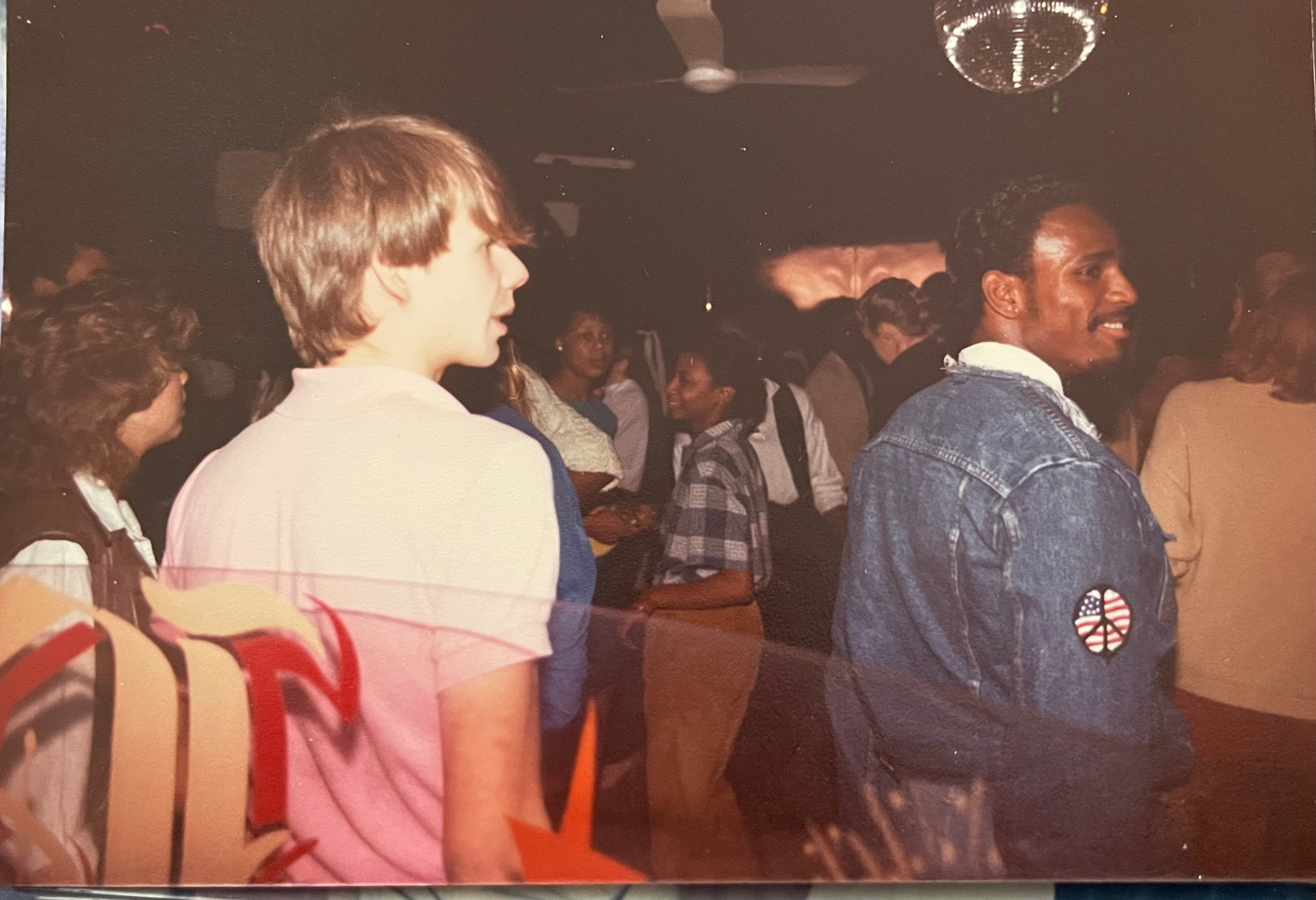
“It was good music, good dancers, like Tony Houston. I’d not seen dancers like that, Paul ‘Trouble’ Anderson, all of them dancing around. It was just a whole good atmosphere. They’d be like, showing each other the new moves. Everyone was dancing.”
– Debbie Mills
A space for creativity, connection and community
Crowds travelled from across London for its packed weekends, while Thursday reggae sessions and all-Black Sunday line-ups created a vital space for under-represented music and audiences. Pirate stations LWR and Kiss FM broadcast live from the club, amplifying its energy across the city and connecting East London with a wider Black British sound emerging nationwide.
Operating amid racial hostility in 1980s Canning Town, Bentley’s offered a place of freedom and unity. In 1986 it was raided by more than 160 police officers—the largest operation in Newham’s history—an action widely condemned as racist. Despite this, its legacy endures as a symbol of creativity, resilience and cultural pride.
Background
Bentley’s empowered young Black creatives and shaped London’s underground music scene.
Bentley’s became a vital platform for young Black creatives in Newham, providing space for expression and community in an otherwise overlooked corner of East London. Its dance floor connected people through rhythm and culture, laying the groundwork for the city’s club and pirate-radio scenes that would later shape Kiss FM and beyond.
Today, both Bridge House and Bentley’s are celebrated for their cultural impact—from nurturing rock legends to shaping London’s underground dance scene. Projects like Echoes from the Bridge and Bentley’s Canning Town preserve their stories, keeping alive the spirit of a venue that defined two generations of music history.