
Stratford’s pirate radio station at the heart of UK garage and grime
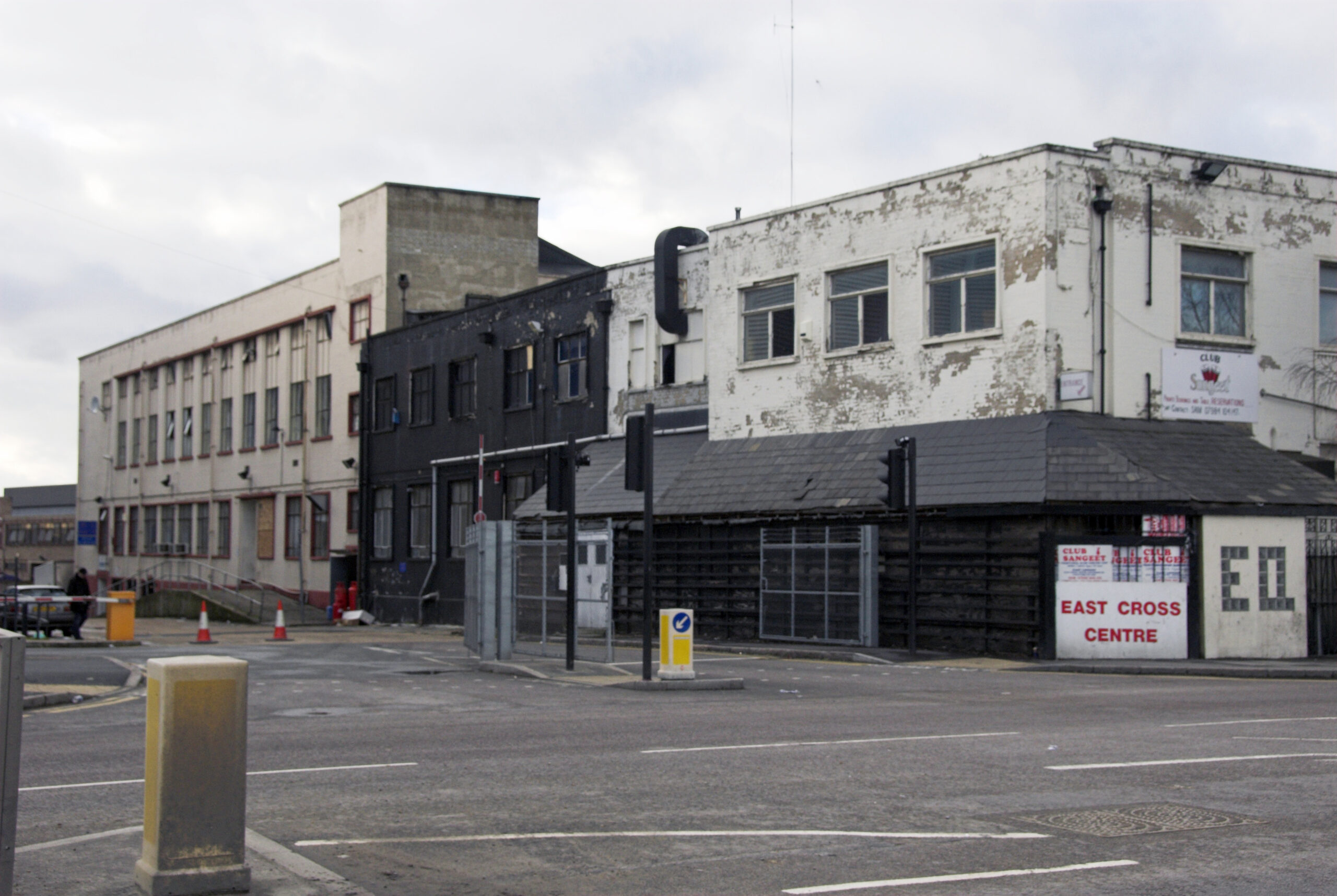
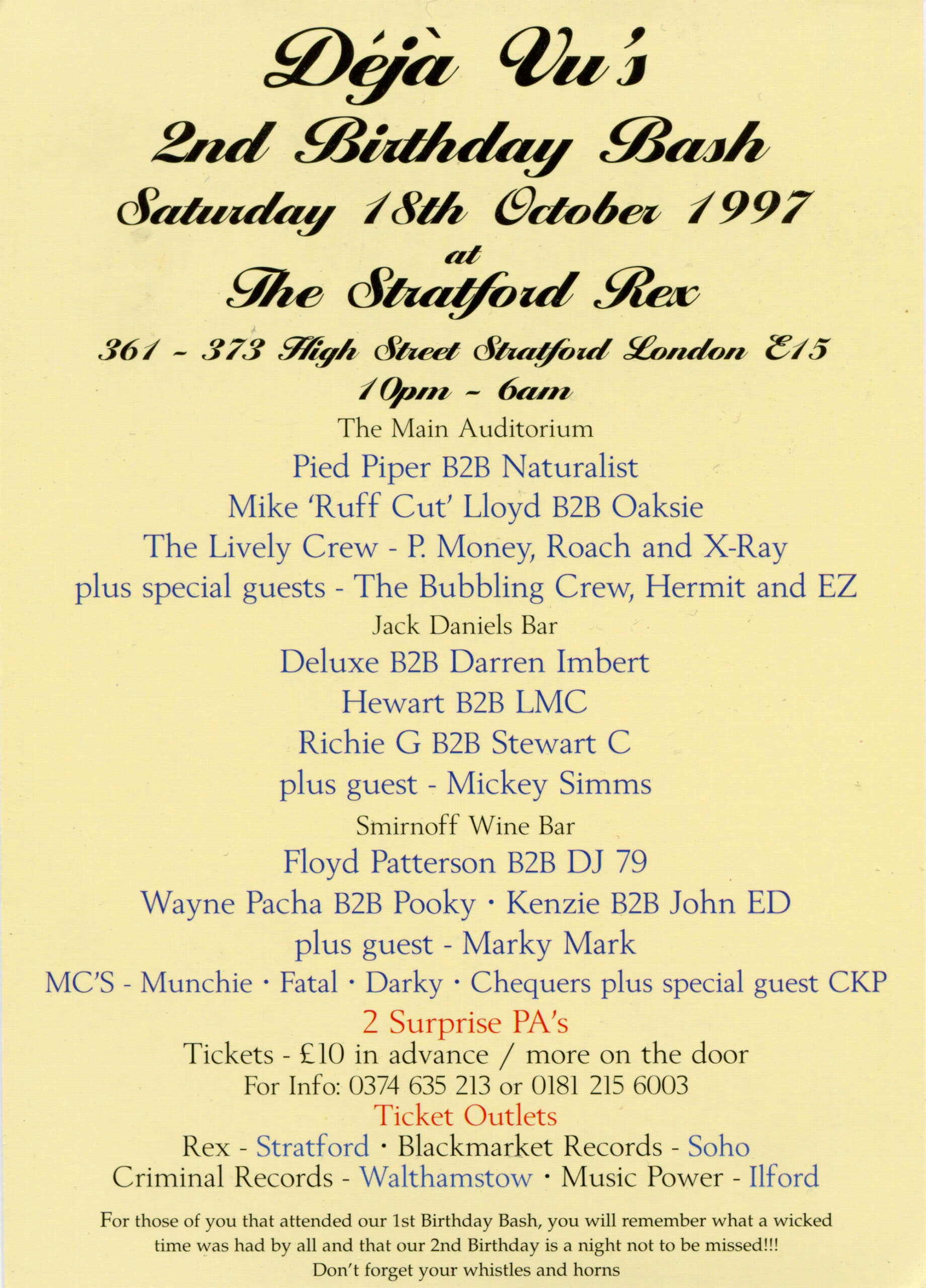
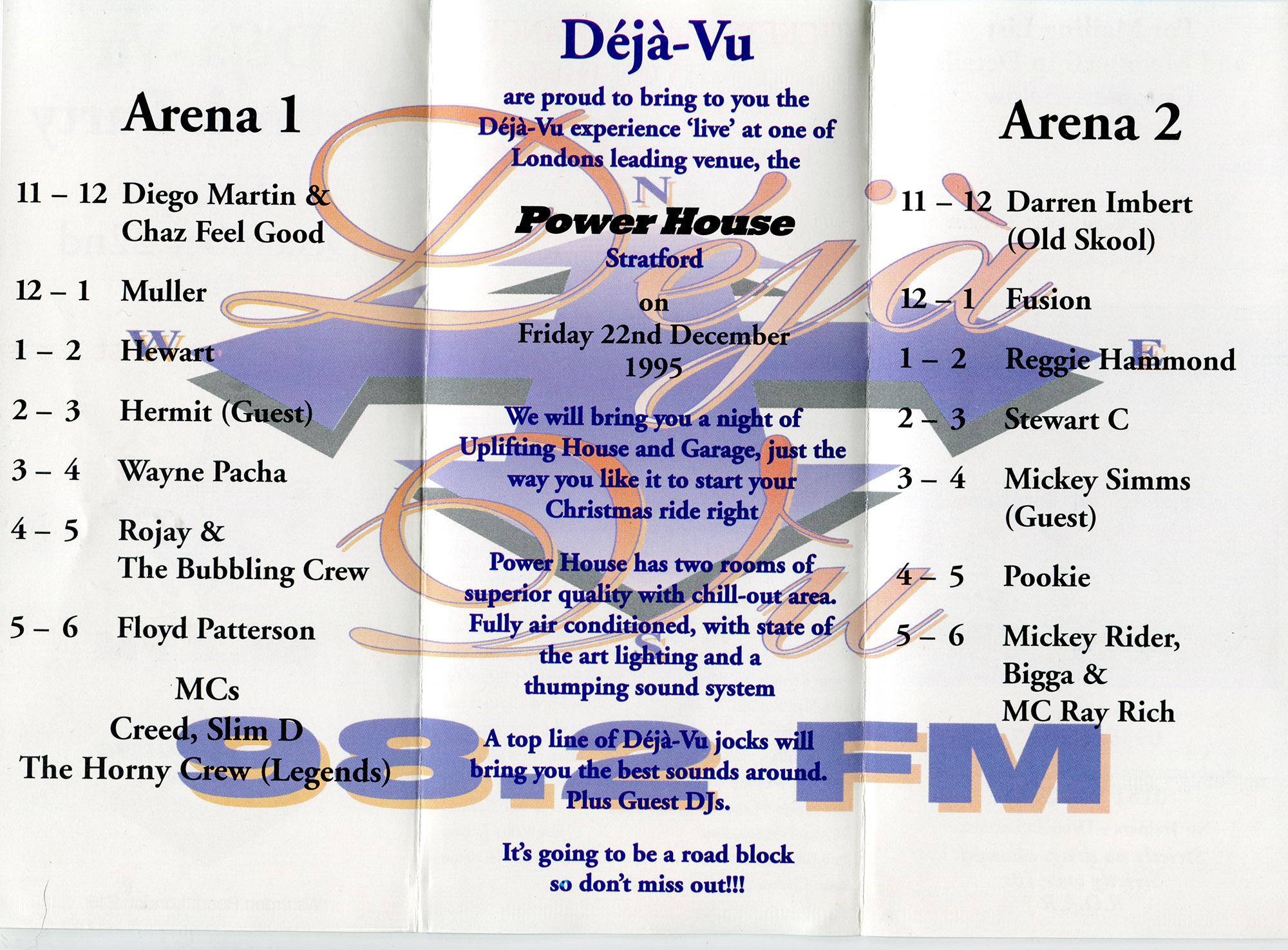
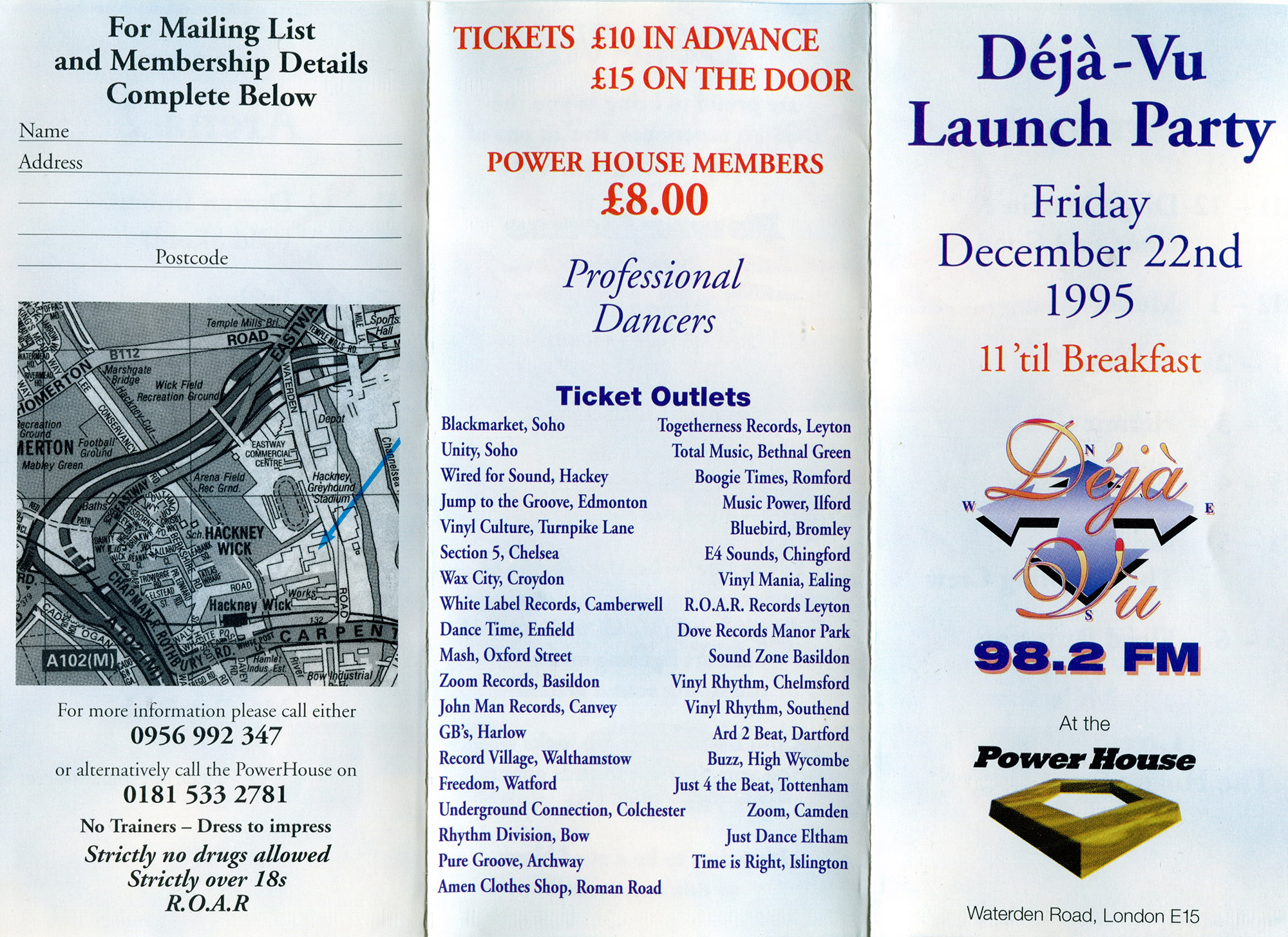
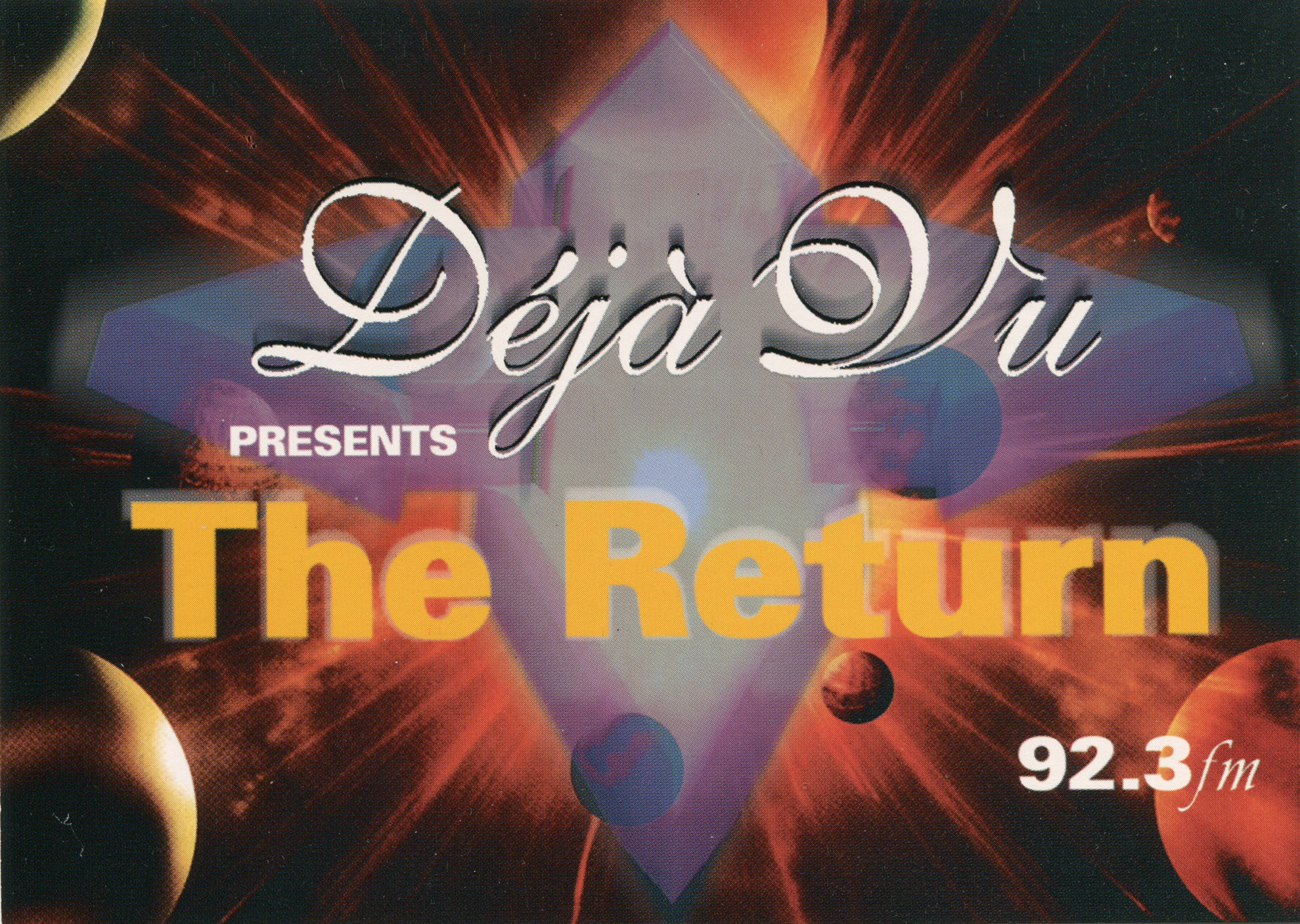
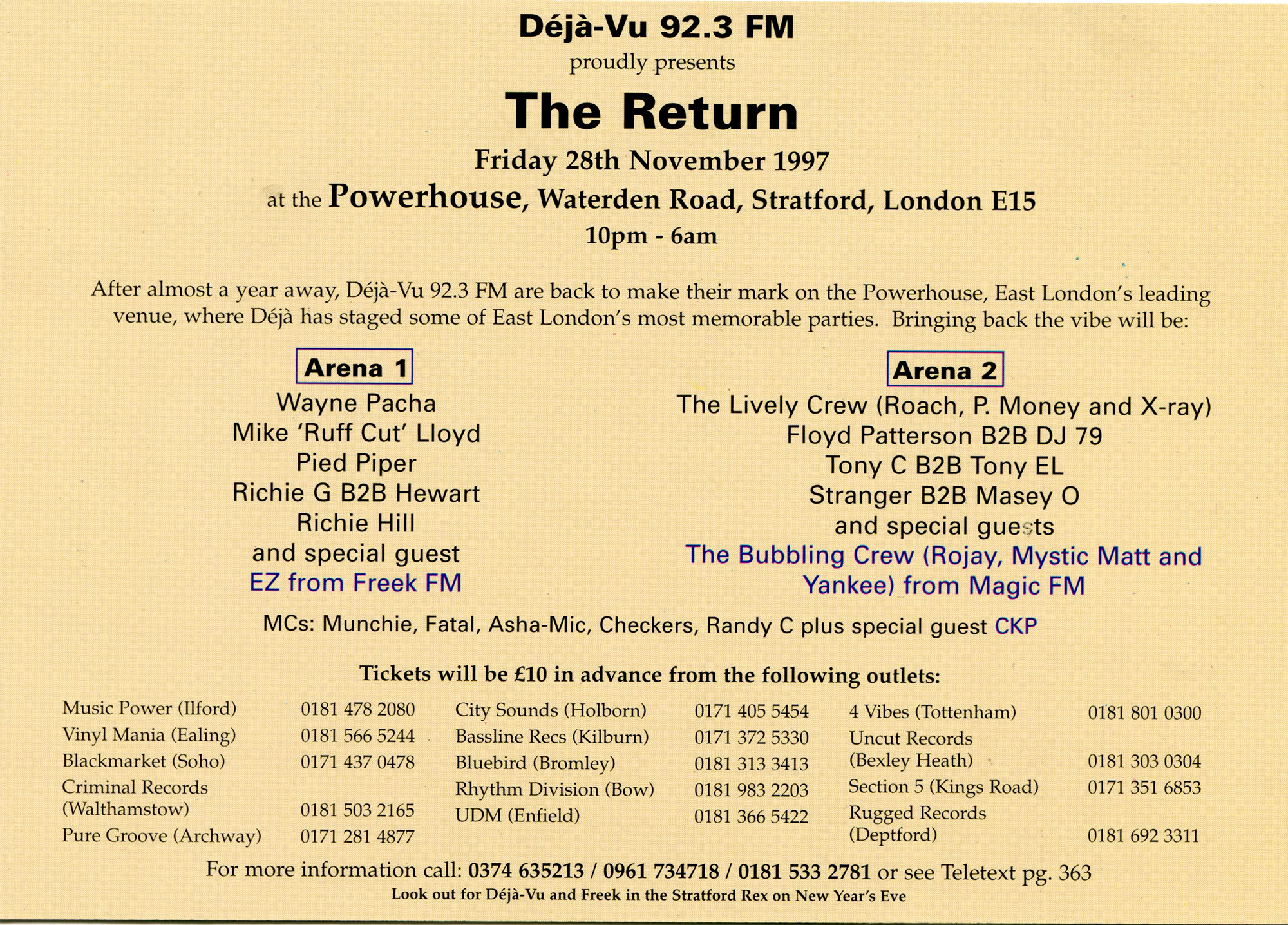
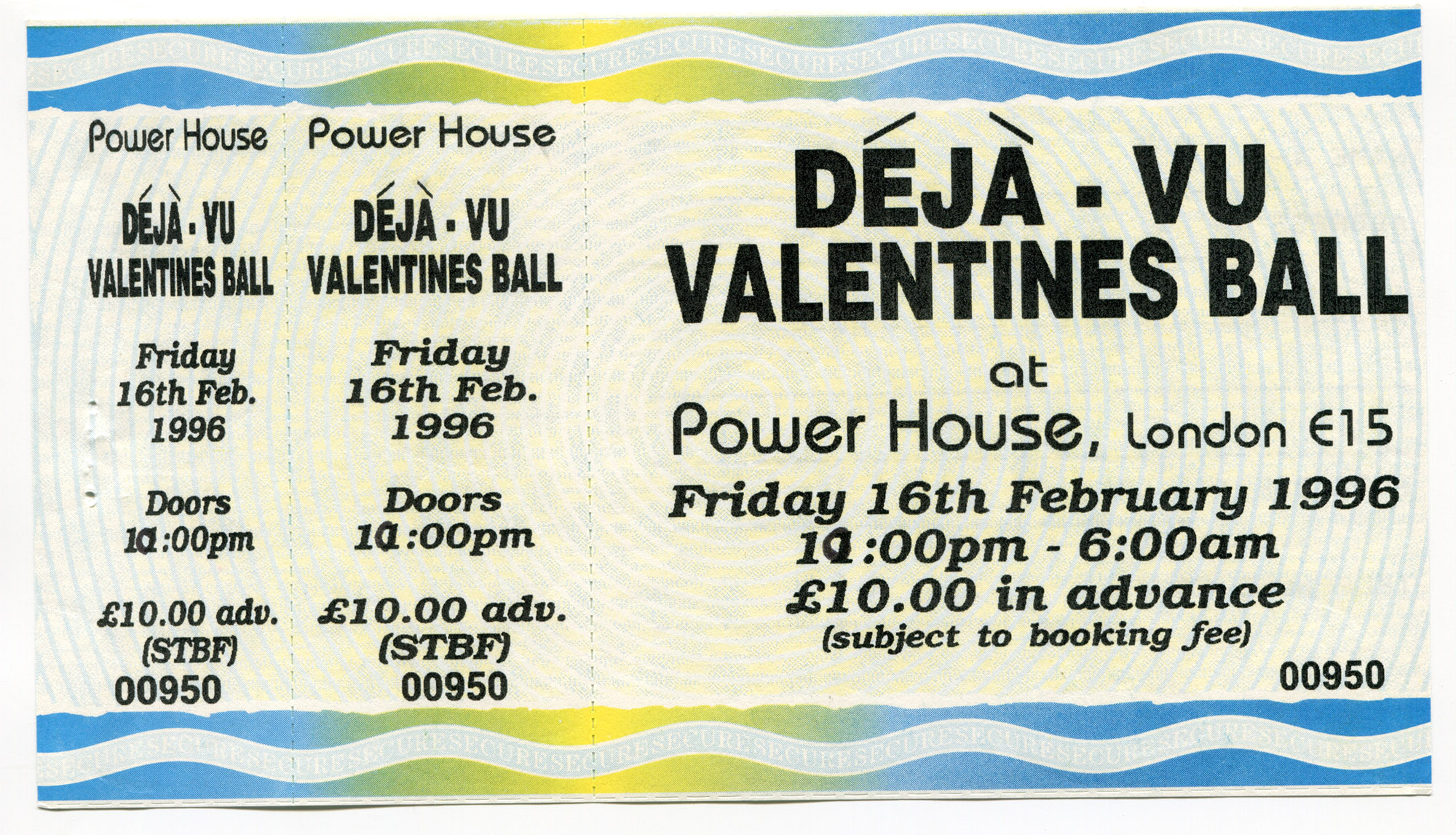
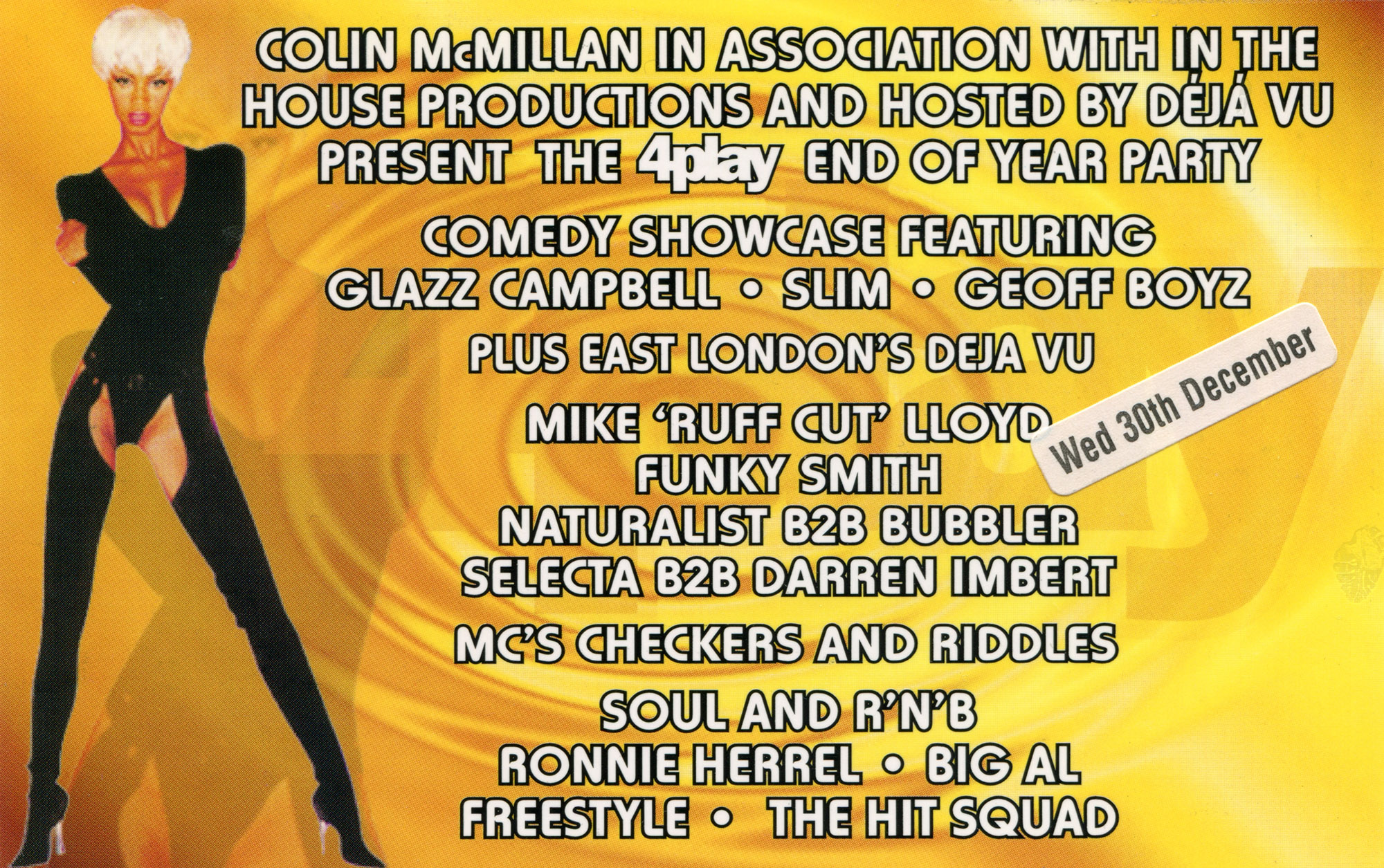
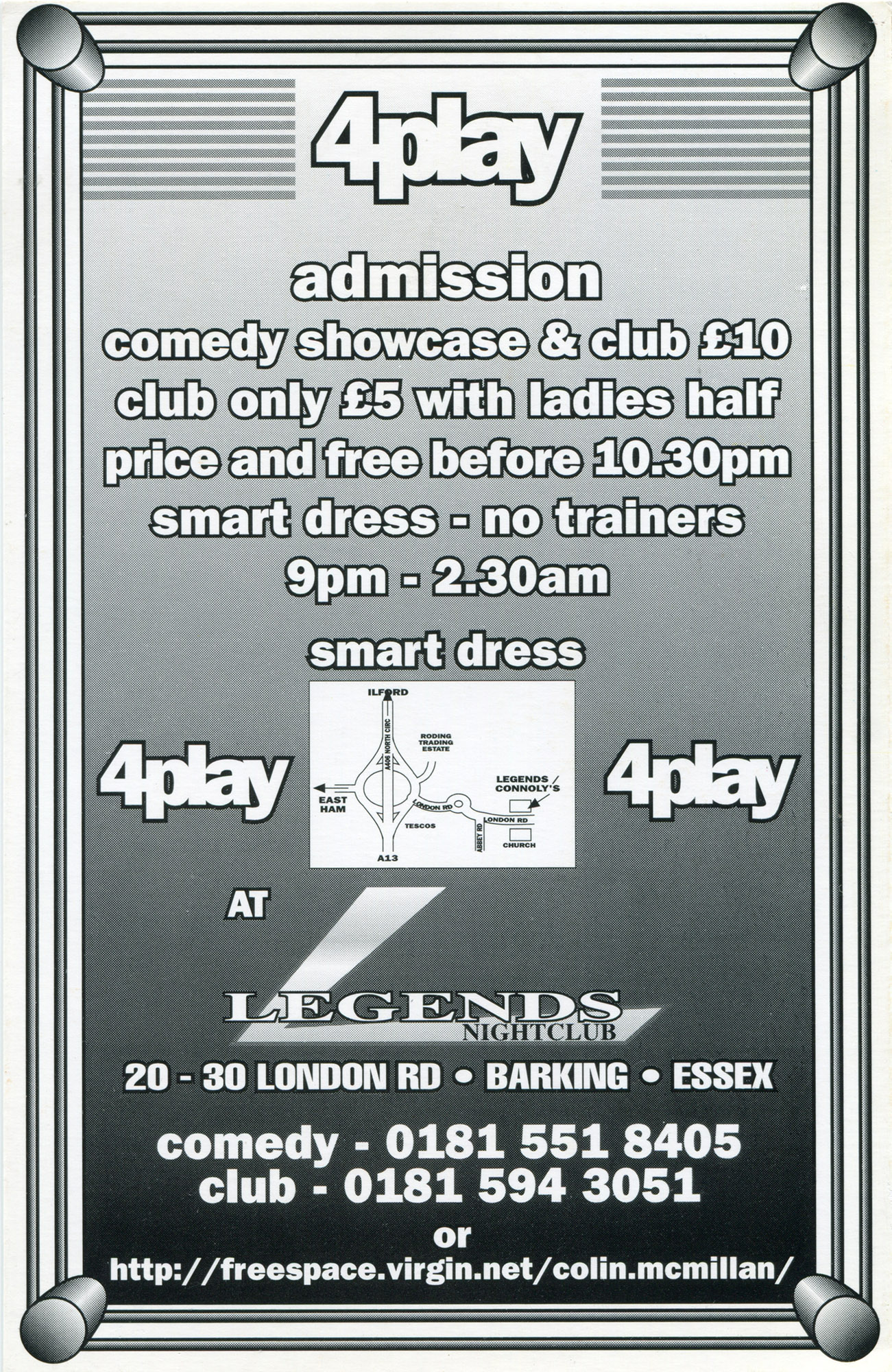
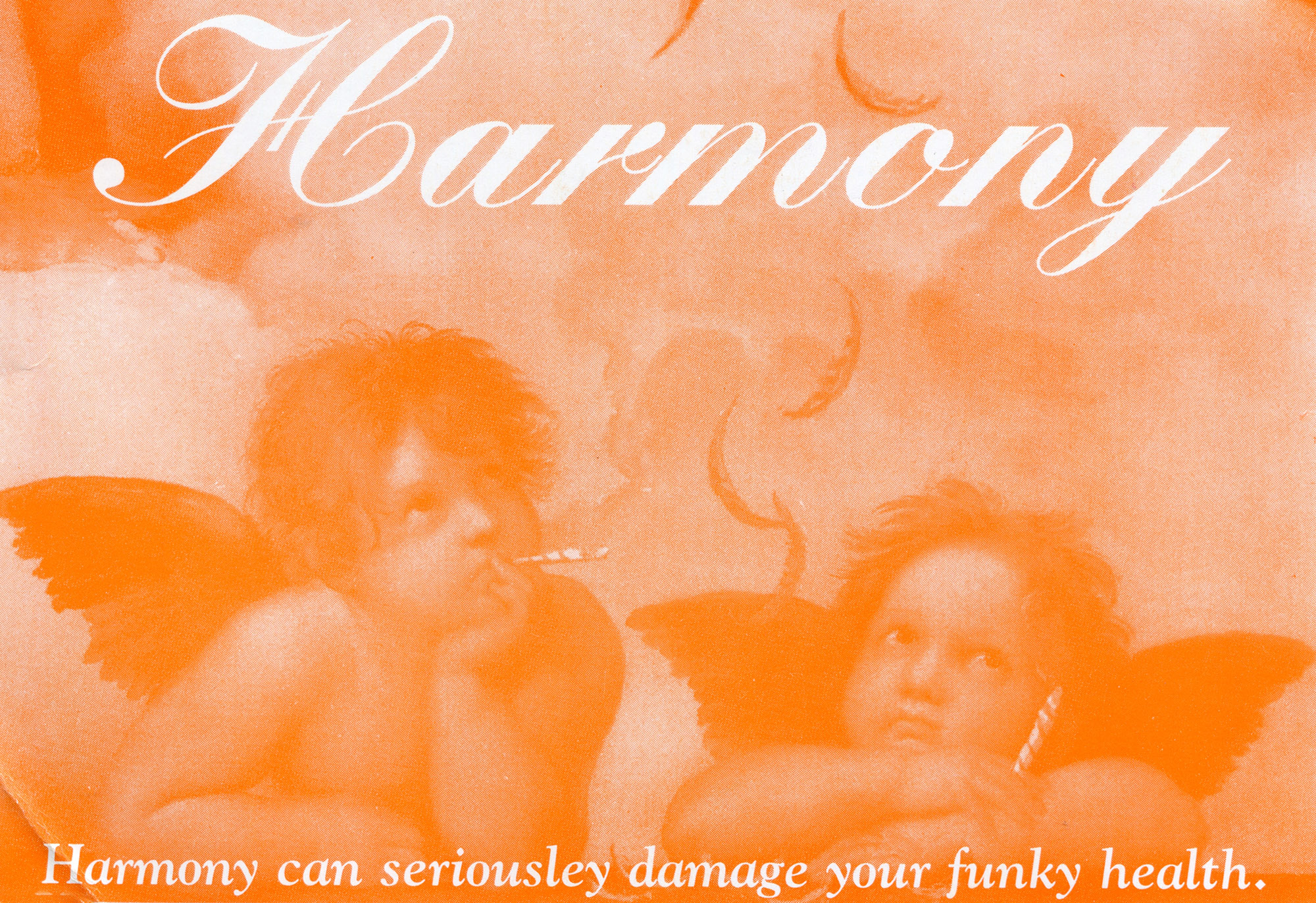
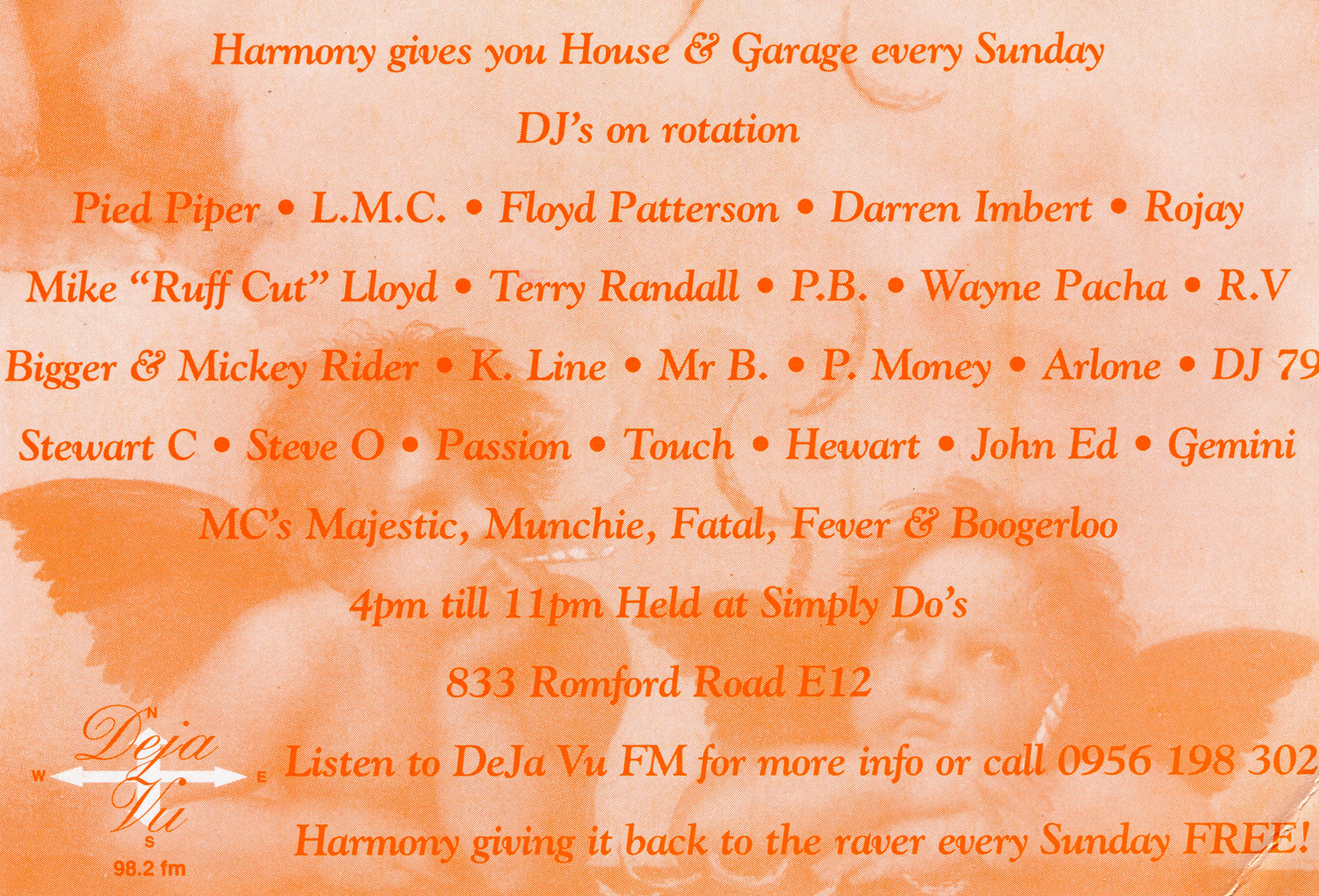
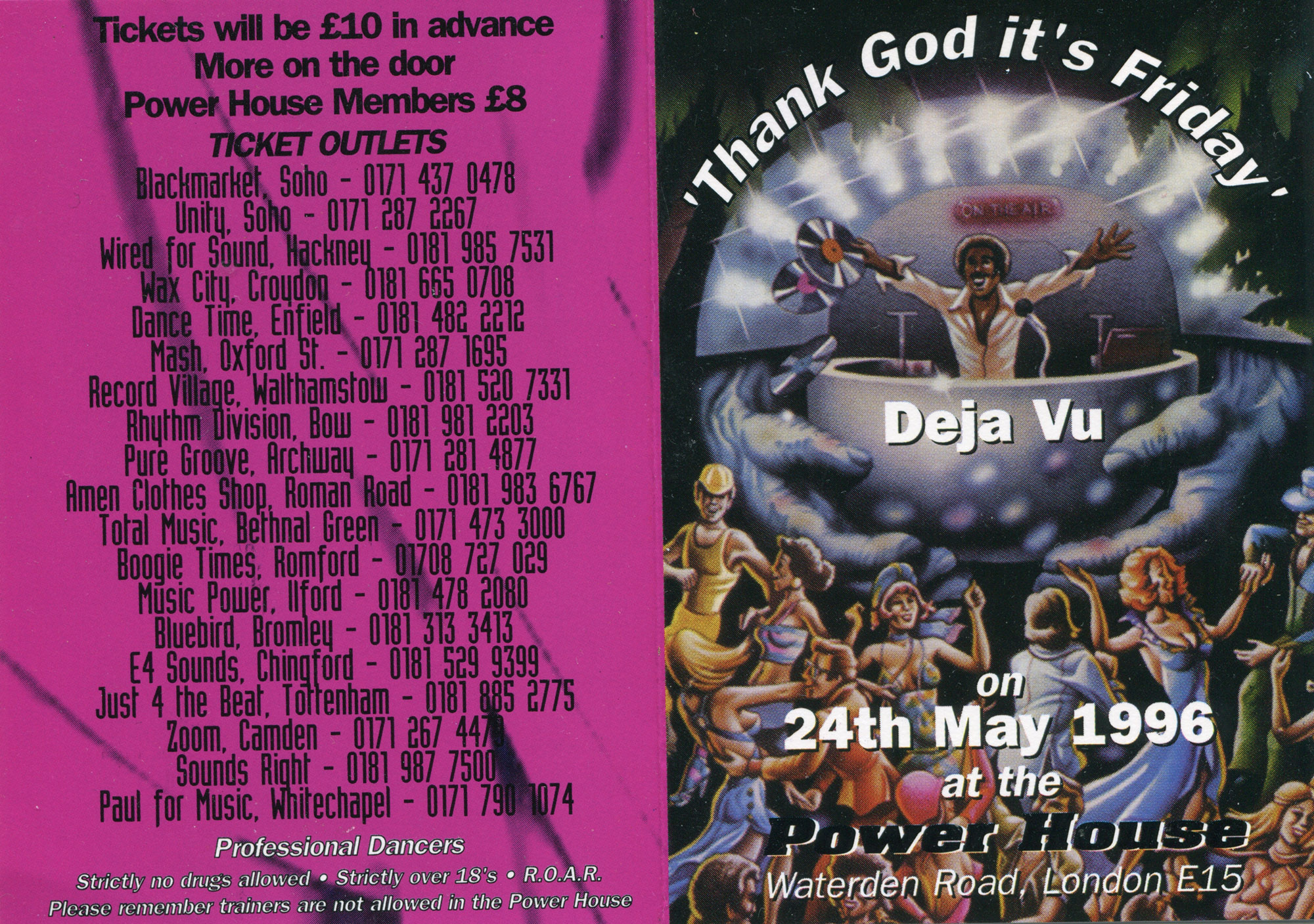
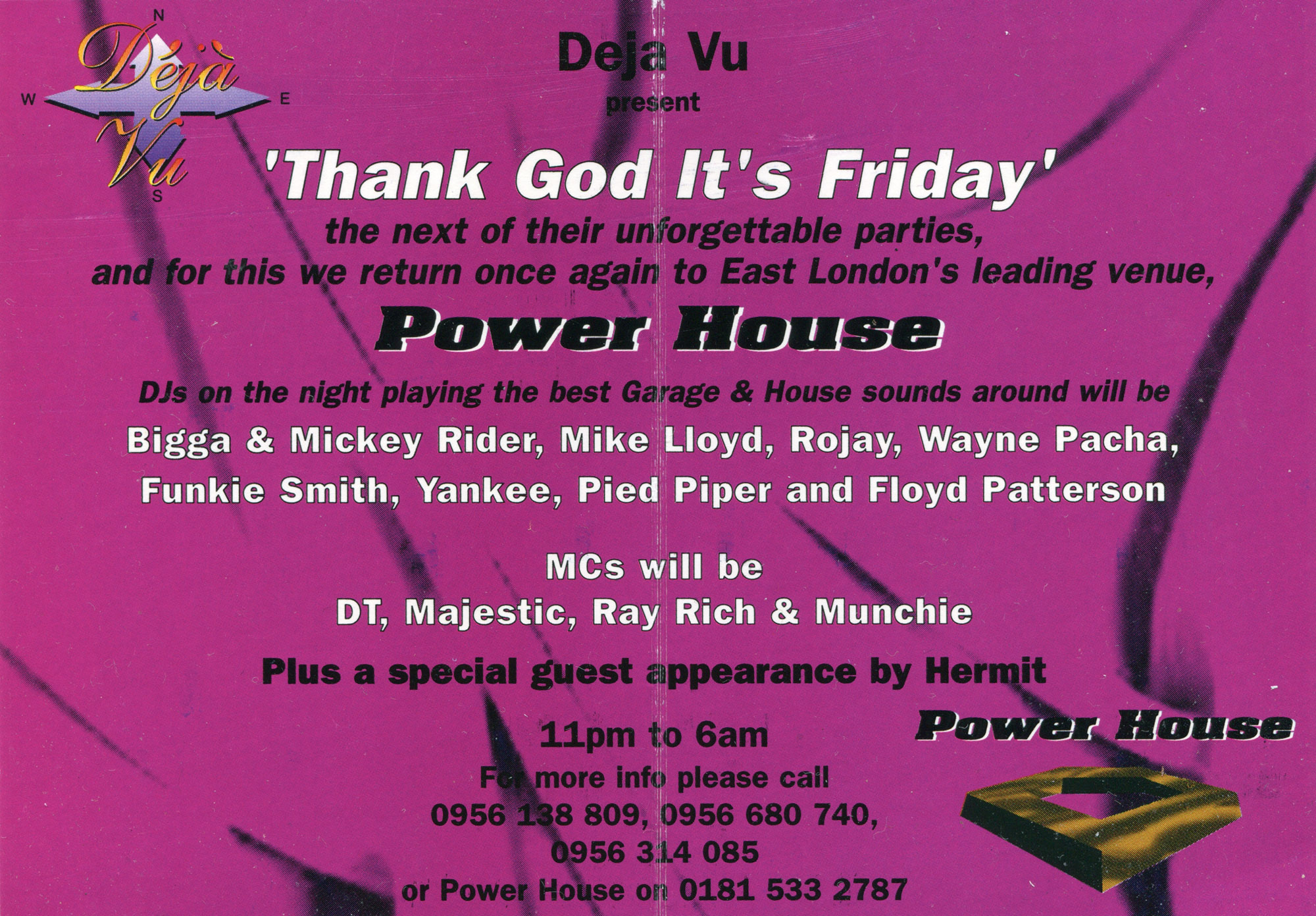
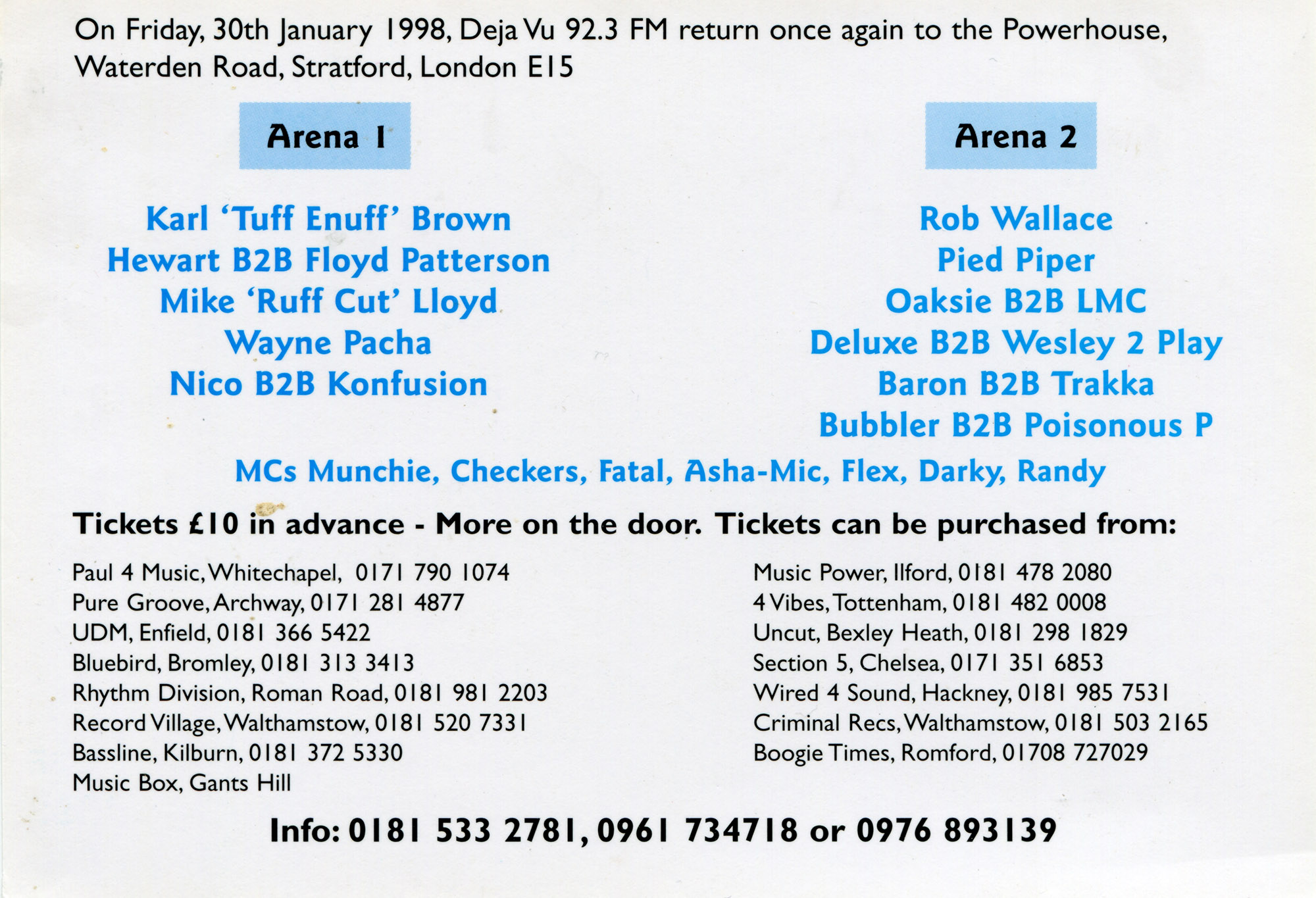
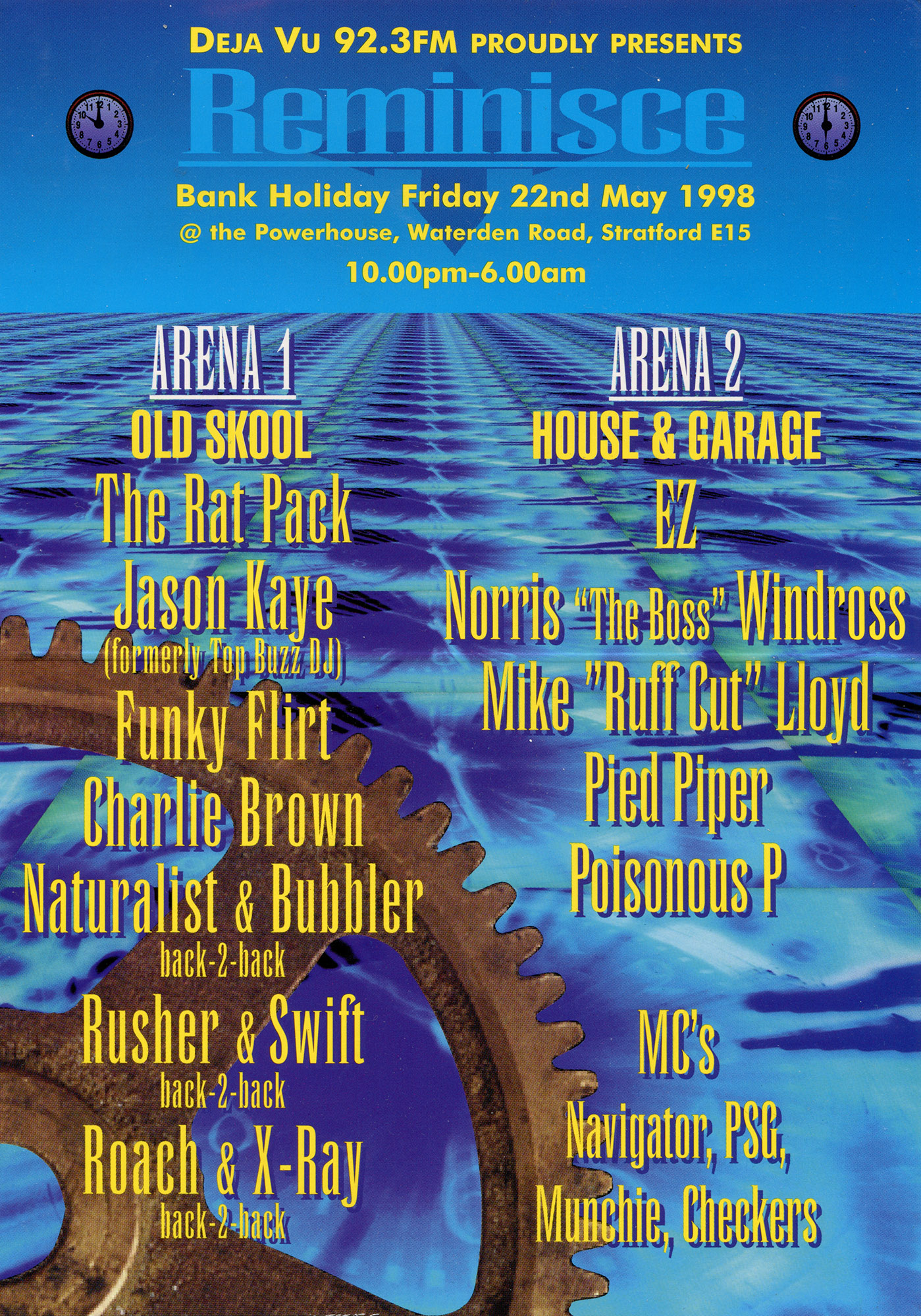
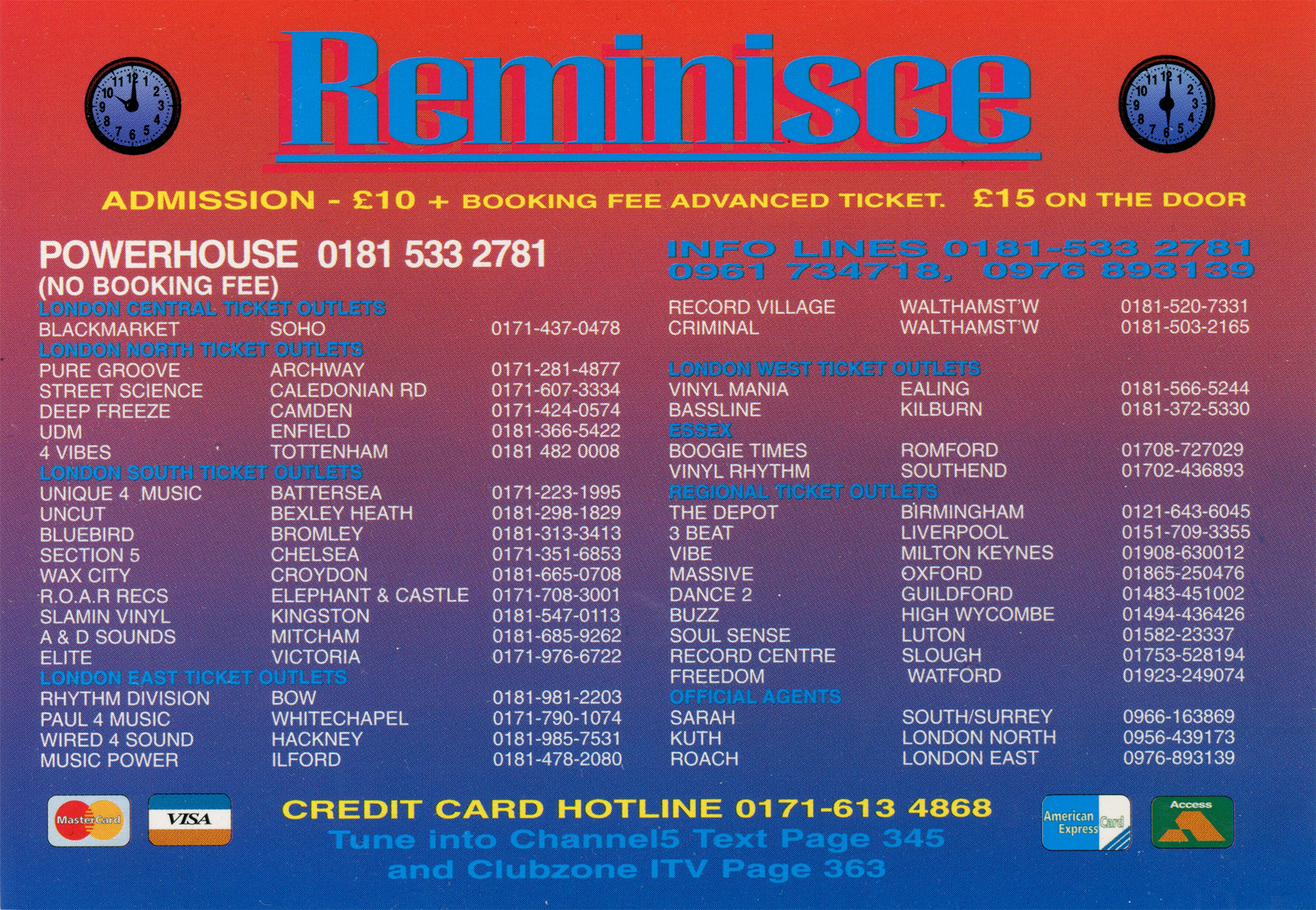
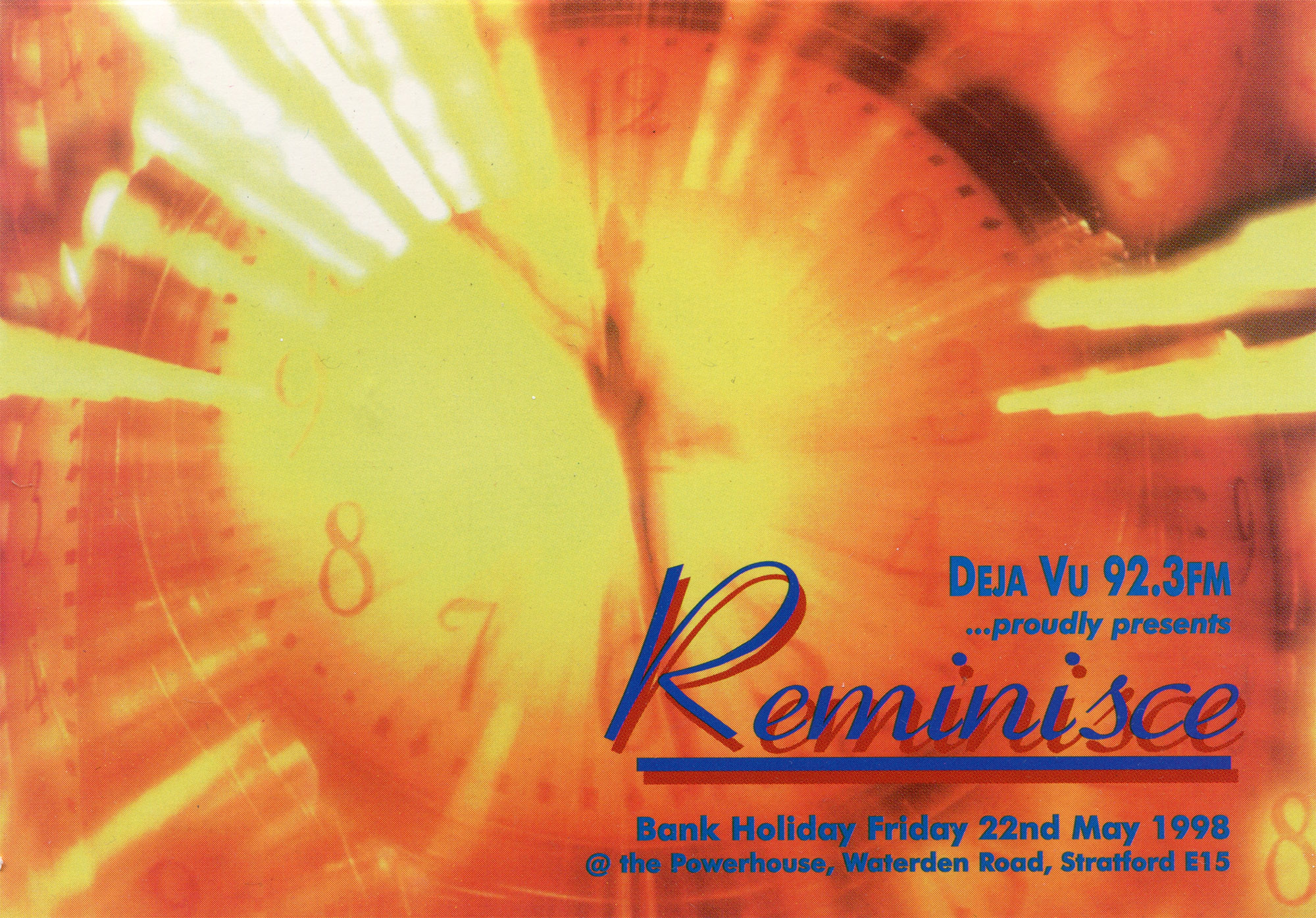
Launched in summer 1995, Deja Vu FM began as a pirate radio station dedicated to UK house and garage. Founded by Lady Laura with Big Jim (Jimmy the Music Man) and early support from Roj and the West Ham crew, the station quickly gained a reputation for championing fresh underground sounds. Its first official party took place at The Powerhouse on Waterden Road, Stratford, with the studio later operating from a small room on the club’s roof — a space that would become legendary.
Growth and Influence
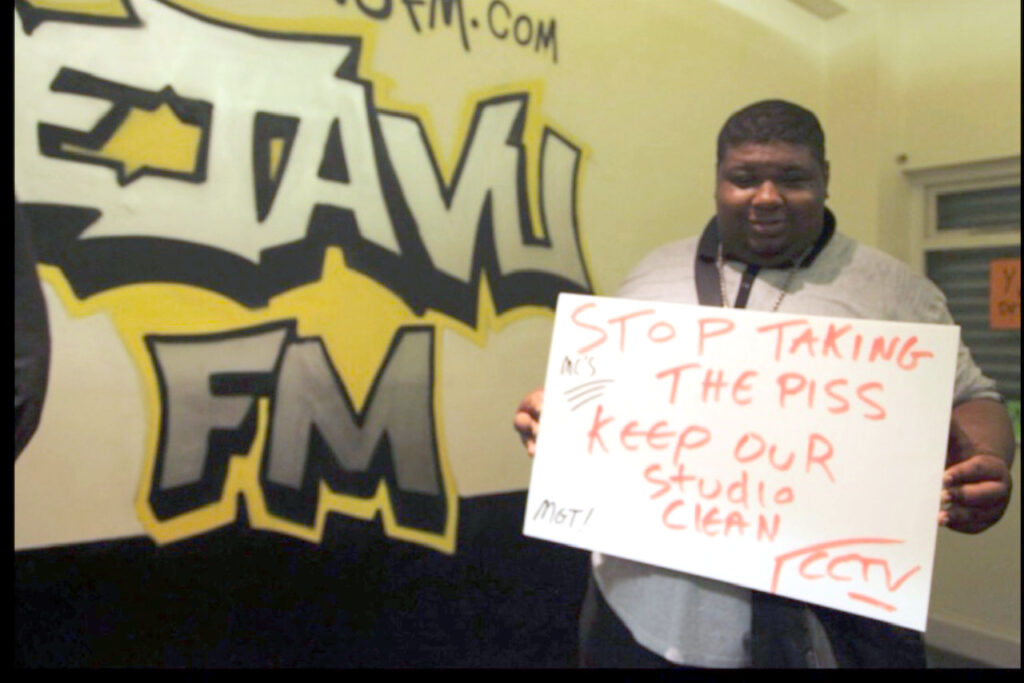
In 1997, Kenny ‘Sting’ King acquired Deja Vu FM, bringing structure, management and long-term vision. He moved the station into a purpose-built studio above his club, later known as Club EQ, creating a creative hub for emerging artists in garage, grime and UK hip hop. From this rooftop studio — nicknamed The Roof — came broadcasts that defined a generation.
“Without Newham, I can honestly say urban music would not be what it is today. 100%.That’s a bold statement, but I stand by it.” Preshus
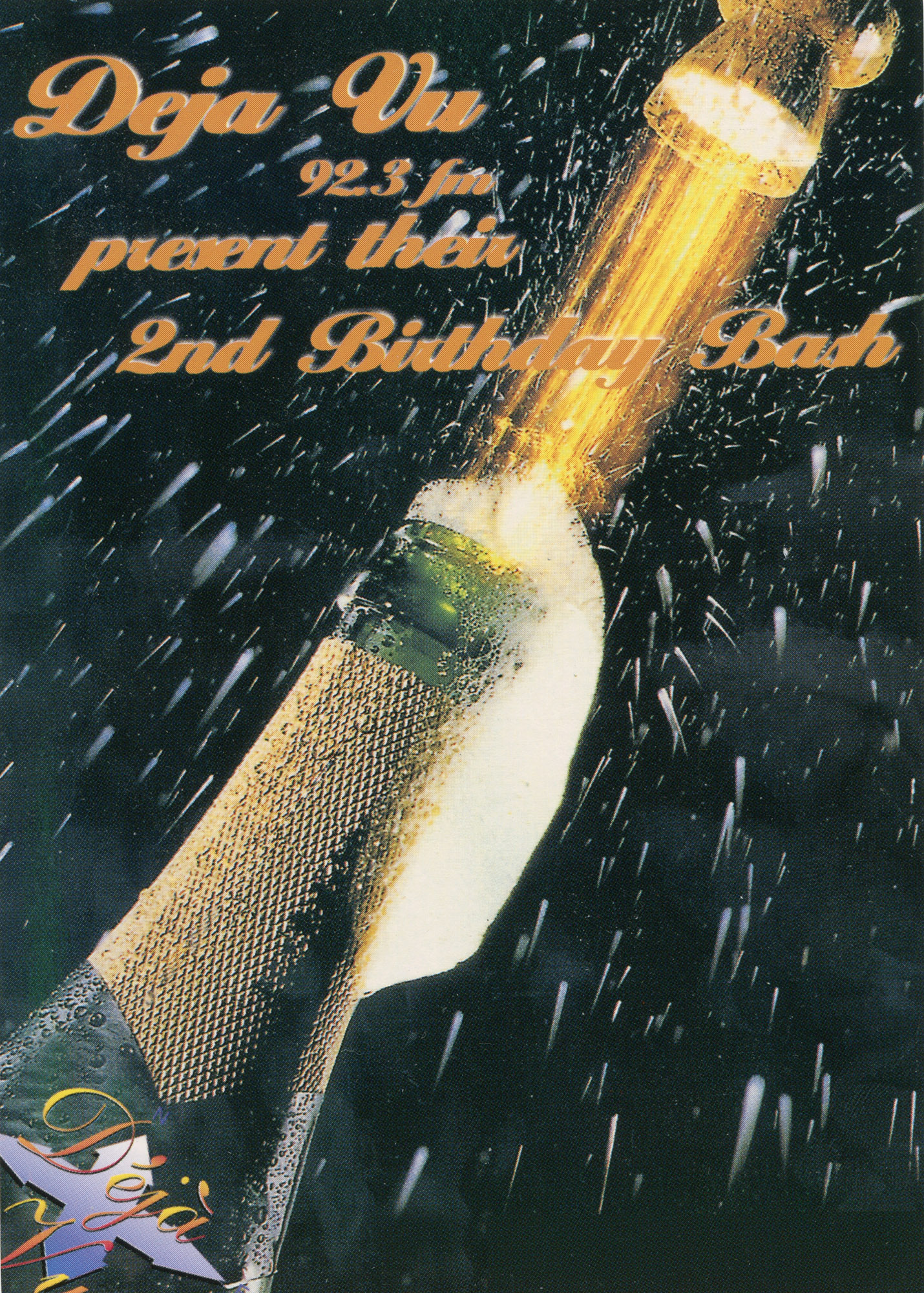
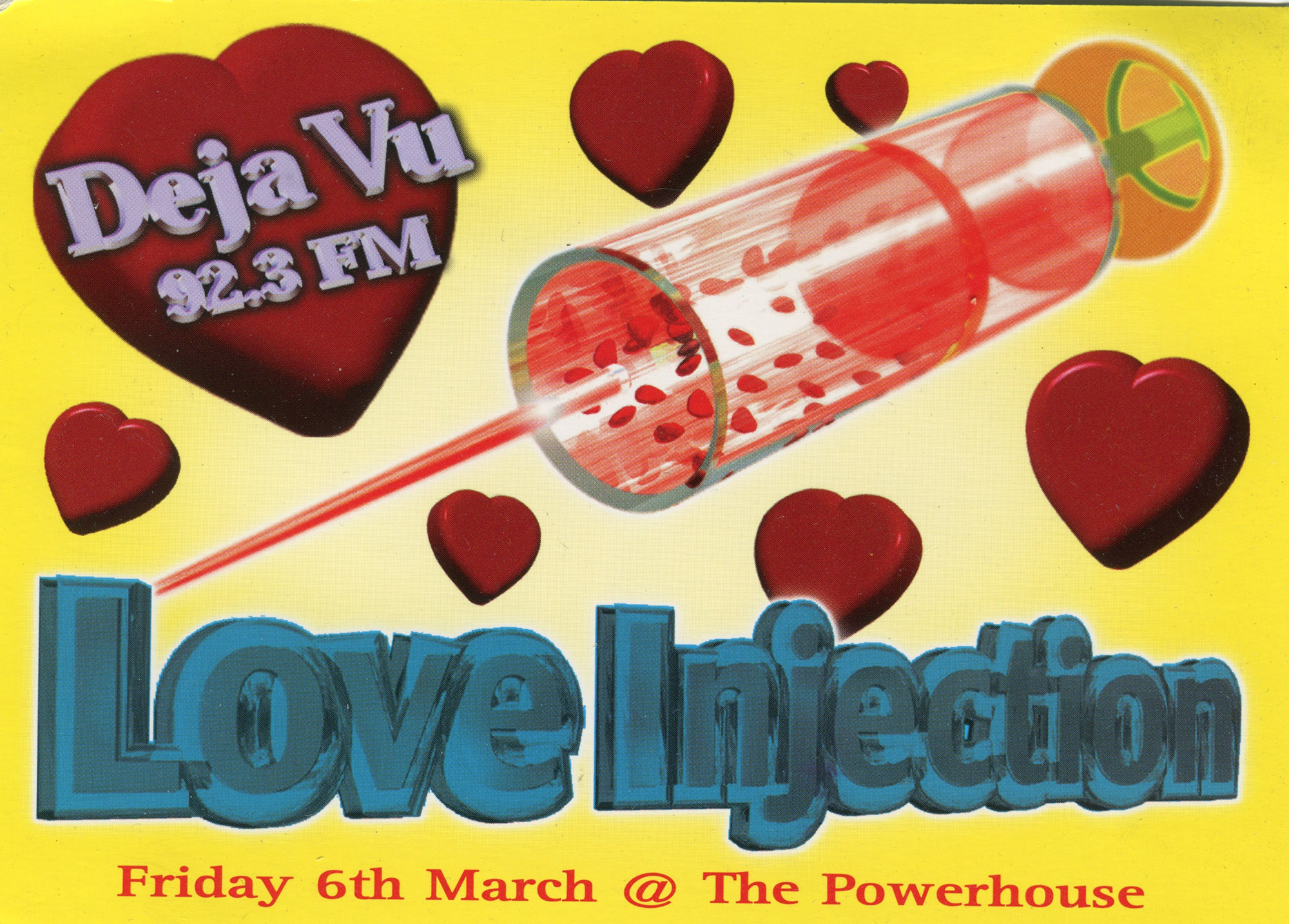
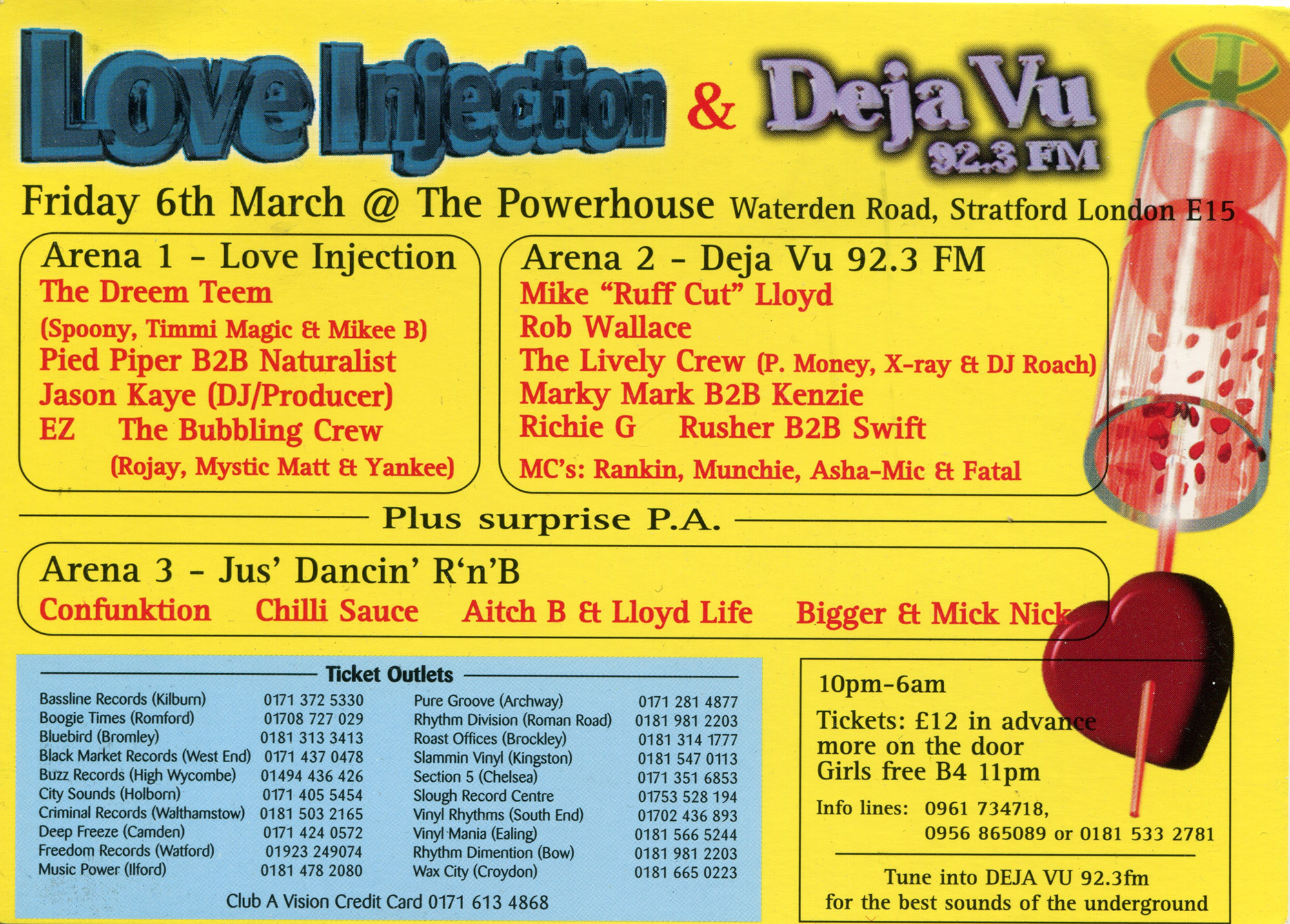
Crews such as Ruff Sqwad, Roll Deep and N.A.S.T.Y Crew honed their sound here, while future stars including Dizzee Rascal, Kano, Skepta, Lethal B, and Ghetts all passed through. The station broadcast on several frequencies, including 98.2 FM and 92.3 FM, reaching tens of thousands of listeners across London and the South East. By the early 2000s, Ofcom recognised Deja Vu FM as one of the region’s most-listened-to pirate stations.
Oral histories

Laura Wicks
Play audio
Background
Laura Wicks (Lady Laura), born 1969 in Romford, founded and co-ran the influential East London pirate station Deja Vu FM and was a key promoter in Newham’s 1990s garage and club scene.
Transcript
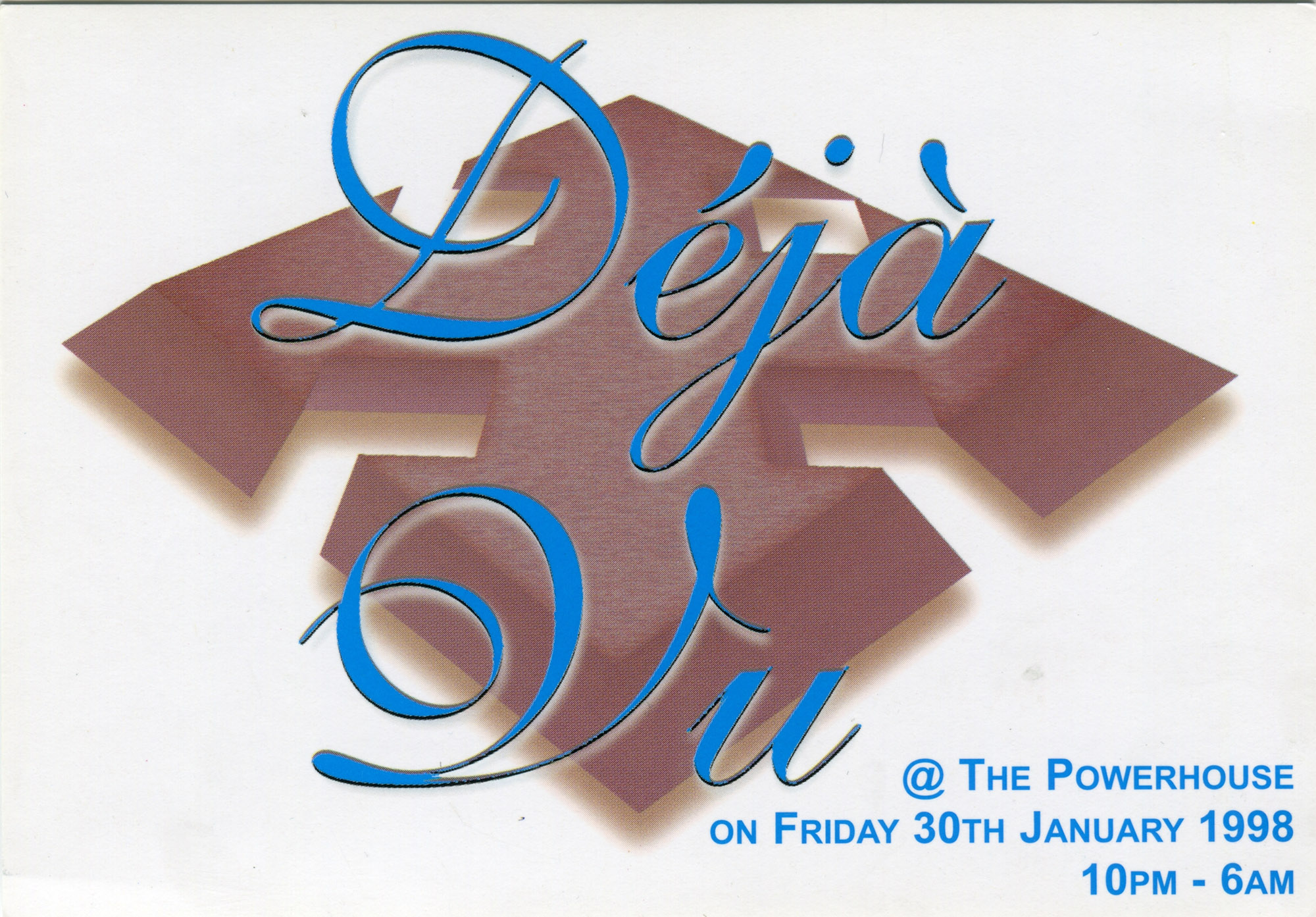
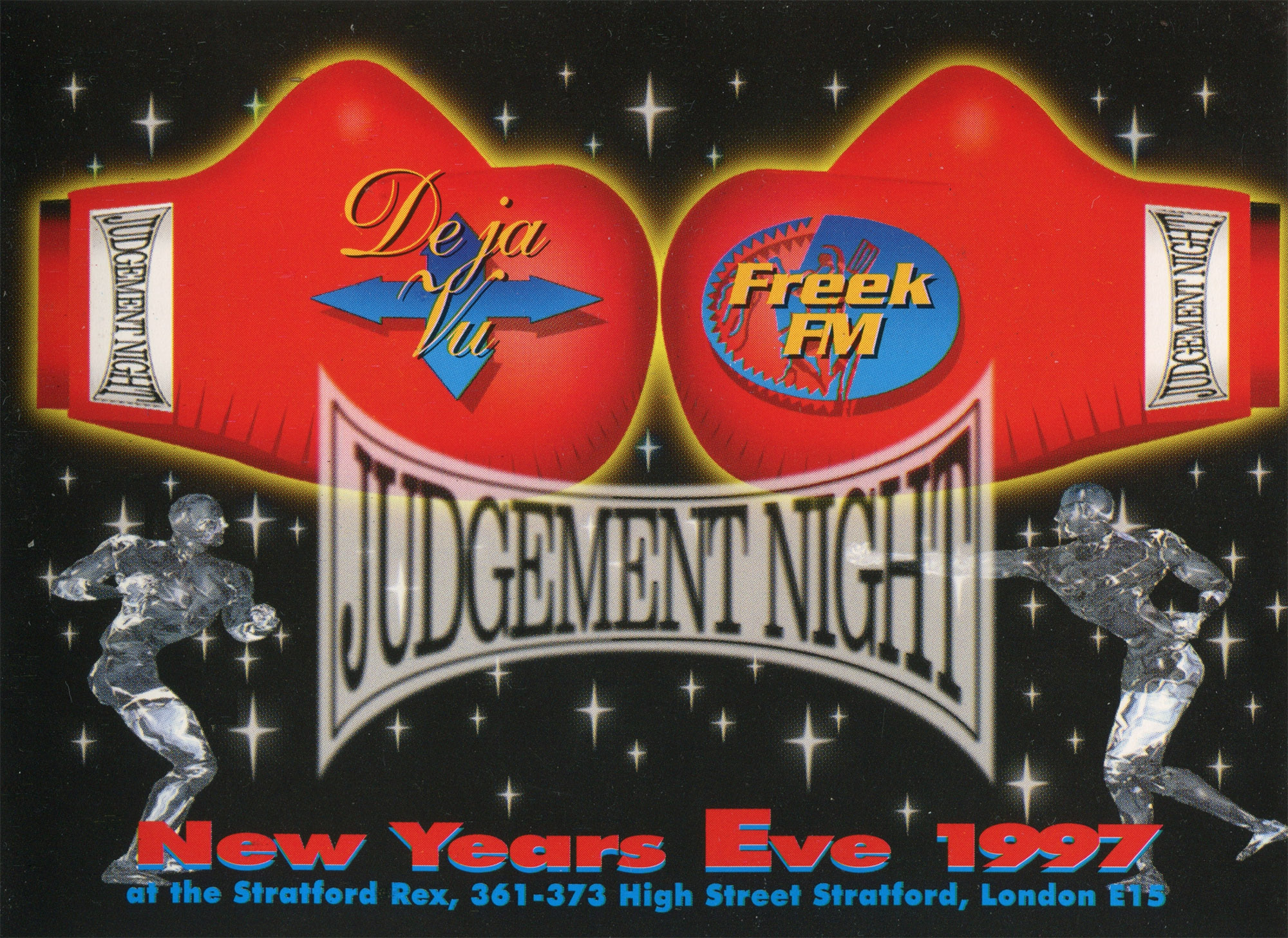
I was probably more on the jungle scene ’92, ’93, ’94. Yeah. And then Gas club took off, and I was in a relationship with a guy called Jimmy. He come home one day that the garage, I think London Underground was going but there wasn’t very much pirate radio stations at that point. And he came home one day and said, one of his mates had said to him, like, ‘Should we do a pirate radio station?’ But they need the backing to set yourself up. Was quite a lot of money, so they needed, like, a few people. So he said, Do you want to come in on it as well? So there was me, Jimmy, Roger, and there was also a girl from South London called Dominique, but she didn’t stay in it for very long, because it was full on. It’s a lot. And she had young kids, but she knew the guy that built the rigs, which is what you need to be able to transmit. So yeah, we all met up, decided on the name Deja Vu. We just had loads of different names on the table. We was all putting suggestions forward, and Deja Vu was the one that we decided on. And then I designed that logo. It was supposed to be like, north, south, east and west together.
The boys, you, normally used to find places, and some of them were not particularly nice. It was people’s flats or derelict places, wherever we could find a space. A lot of the time it was in the high rise flats because you needed the signal, yeah. So people, we used to pay people to go into their flats and use them. We had, I mean, Wayne, Pasha, Pied Piper, Rojay was, he was what, that’s Roger. So he was also a DJ as well. So that’s why he wanted to do the station. And then it was a lot of local people from Newham and Hackney, literally, I think it was a lot of word of mouth at the start. Roger got a lot of them. Look Creed was on my first one.
At that point, it was like it wasn’t about the DJs. It was that it was new and exciting. It was probably us, London, underground, US and freak at that point, we was the main three ones. It was unreal how people just took to it, like we went live. And I think because Freak was more North London, London Underground was more North London, but we was the East London side of it.
We were shocked at, like, how much the phone was going and word of mouth, yeah, because back then you could get it on your car radio and everything we was broadcasting, you know, everywhere. It was constant. I mean, like people, DJs used to bring someone with them to the studio to just to manage the phone, yeah. And then we was like, should we do an event?
Kenny ‘King’ Sting
Play audio
Background
Kenny ‘Sting’ King, born 1966 in Stratford, is a promoter and club owner who founded Telepathy in 1990 and later ran Wax Club, Stratford Rex and Deja Vu FM.
Transcript
Deja Vu was actually on the roof of the club, which wasn’t ideal, but went on for a long time.
Deja Vu on the roof was about the time we was transitioning from garage to a funky house, and what happened was you had a lot of guys, MC in over funky house. God’s Gift, one of my all time favourite, MCs of that generations.
You see again, there was a transition period between funky house and grime. You know, it wasn’t just like one day you had funky as another day you had grime. There was a transition where MCs were spitting over funky house, and it became a thing, but it was a different type of MC into the to the chatting that we were used to over drum and bass, jungle and even garage, which is different. Very raw, very young, and the music itself, this is the transition from funky ass to grime, I’m talking now. I used to think, because I’m old school, you know what I mean, I listen to production and, I mean, and I used to listen to the production of that. Think, ‘Fuck me. What is that? You understand?’ But, you know, the kids are the kids, and they do their thing. So yeah, there was a lot of the station was on the roof. There was a transitional period from funky house to grime, and then with the advent of grime, we had every single grime, DJ and MC you can think of and can’t on the station, you had to be on Deja Vu. You had to utilise that platform if you wanted to establish yourself in that genre of music.
Preshus
Play audio
Background
Preshus (Perry Elliott), born 1980, grew up in Stratford. He began his career at Magic FM, pirate radio station Deja Vu and at Club Powerhouse.
Transcript
Deja Vu is one of the most London’s leading radio stations, from way back in the 90s still to the current day. It is very fundamental in the urban music scene, from garage and grime music from the 90s to the current day. And now, obviously more genres as well. Prolific as I say, anyone to do with garage or grime, DJ or MC that you know, if you’re a garage or grime fan has been on Deja.
It’s basically anyone and everything from garage and grime have been on the roof when I say it’s epic. Bashy. Shout out, Bashy. Kano, Ghetts, Wiley, Dizzy Rascal, myself, D Double E, it’s endless. Skepta, Boy Better Know, Maximum, like literally everyone and anyone. Mak 10, Nasty Crew, Marcus Nasty.
There’s so many people from East London and Newham that you lot now listen to today as grime or garage or funky house or urban music that are all from Newham, you know.
MC Roachee
Play audio
Background
MC Roachee (Richard Roach), born 1985 in Whitechapel, is a grime MC who came up through youth clubs, Stratford Rex and Deja Vu, and now works as a youth worker in Newham.
Transcript
I think we all met on Deja Vu radio. We’d go to radio, as young people. Rough Sqwad had a set from 4 to 6, Roll Deep, had a set from 6 to 8, and then Nasty were 8, Nasty Crew were 8 till 10. So we’d all, we’d probably and Meridian crew and Skepta, and all of them not were 2 to 4, so on a Monday.
So the four biggest crews, Rough Sqwad, Boy Better Know, Roll Deep, Nasty Crew. We all be on Monday, and we all probably see each other, or might stay for other people’s sets, hang around, go on our set, come back later for Roll Deep set. Like, we might be asked like, yeah, when we’re allowed to come and spit a couple bars, because Roll Deep are noticing that we’re getting better, or we’re good, or there’s some good MCs. So yeah, I think we’d meet- A lot of us meet each other on radio.
And you’d got up to the roof, then you’re on the roof, and it’s outside. Then there’s like a small, like purpose built room like this that they built on the roof, with the with the pirate radio inside it. All the MCS, everyone be standing around here. The DJ will be over there, with the decks there, facing that way. And we’d be all there, loads of our I don’t know if we was even aware of anyone’s been anyone’s recording it or not. I see a lot of footage nowadays, and I don’t remember it, but, yeah, there must have been someone standing there with a recorder. And we’re all here, and we’re all emceeing, that actually helped us connect with other artists and help us get our music and sound out to the- out there to the world. Yeah, they provided the platform. We wanted to be big. We want to be well-known. And that’s the place you did it. That’s the radio, that’s the frequency. And people tune in. You know, people are tuning in. People are recording it. We’re going to school next day. People are saying, ‘Heard areyou on radio? Man, wow’. People are listening. People are liking it. We’re becoming, like, locally known and respected as well. So, yeah, they helped us get on, you know.
Deja Vu was like a massive part of our journey in helping us grow as artists and helping us connect with other artists, and helping us get our music out to the to the people.
Rocky Boss
Play audio
Background
Rocky Boss, born 1983 in Newham, A DJ, host, promoter and creative, and a member of Flames Radio/ Media. Also an official host for The Fanatix.
Transcript
We started DJing, started playing at youth centres and stuff like that, and played at loads of little house parties and then one day, we got a booking at Stratford Rex, and it was to play in Ghanaian Independence.
One of the DJs was a DJ that, I think he was on Choice FM at the time, and he used to, and they used to like us. So he was like, ‘You know what, I want you to play at one of our events’. So we played at Ghanaian Independence, and it was in a little, small room because it was alternative music. And then I remember Diesel from Deja Vu at the time. So it was Diesel. Diesel was like- so, you know, you had Sting, who was running the radio station. And then Diesle was like, the promoter, he used to, he was like, an A&R promoter and everything in one, and I remember he brought down Maxwell D and a few other MCs, and they done their set. We done our set, and afterwards, he was like, ‘Oh my gosh, that was brilliant. Like, I’ve got a slot for you on the radio station, Deja Vu’. It was like, what? Deja! These times we didn’t even have a name properly, and all of that. It was like, Oh, wow, Deja, okay, cool. And that was the kind of start. That was how we got on to Deja Vu, and then we got into Deja and from there it just, yeah, it just went crazy.
Before actually going on to radio, you have a perception. You only hear what you can hear on the radio. So obviously you think everything’s BBC. So you’re expecting, like, the like, spongy microphones, a light saying ‘On Air’, and you expect, like, there to be a glass in between you in the studio, and then a producer in the background playing around with the knobs. But actually, when we got there, it was like, ‘Call me when you get to this location’. Get to the location, and you’re just at these gates, and then you get through to the gates, and then you go- it was like a club, but it was on the side of a club. So then you go to the side, and you go up these windy stairs, and then you end up on the roof, and then there’s just a door. You’re like, okay, then. You get in the door, and it was like a shed. It was like, on the right hand side, you had a window with bars on it. In front of you had another man made shed- shelf with the decks on it, and it just had loads of information on it, all this stuff that we have to shout out. ‘Make sure you shout out this, this song to be played every hour’, and all of that. And it was, it was weird because it was really ghetto and dingy. As well, where you had so many youths on there, and people just come in there, and then they’re eating their crisps, they’re doing whatever. And it wasn’t the most tidiest people. And then sometimes you get in the studio and you’re tidying up first before you can start. Yeah, it was, it was. It was very not what I expected!
Context and Legacy
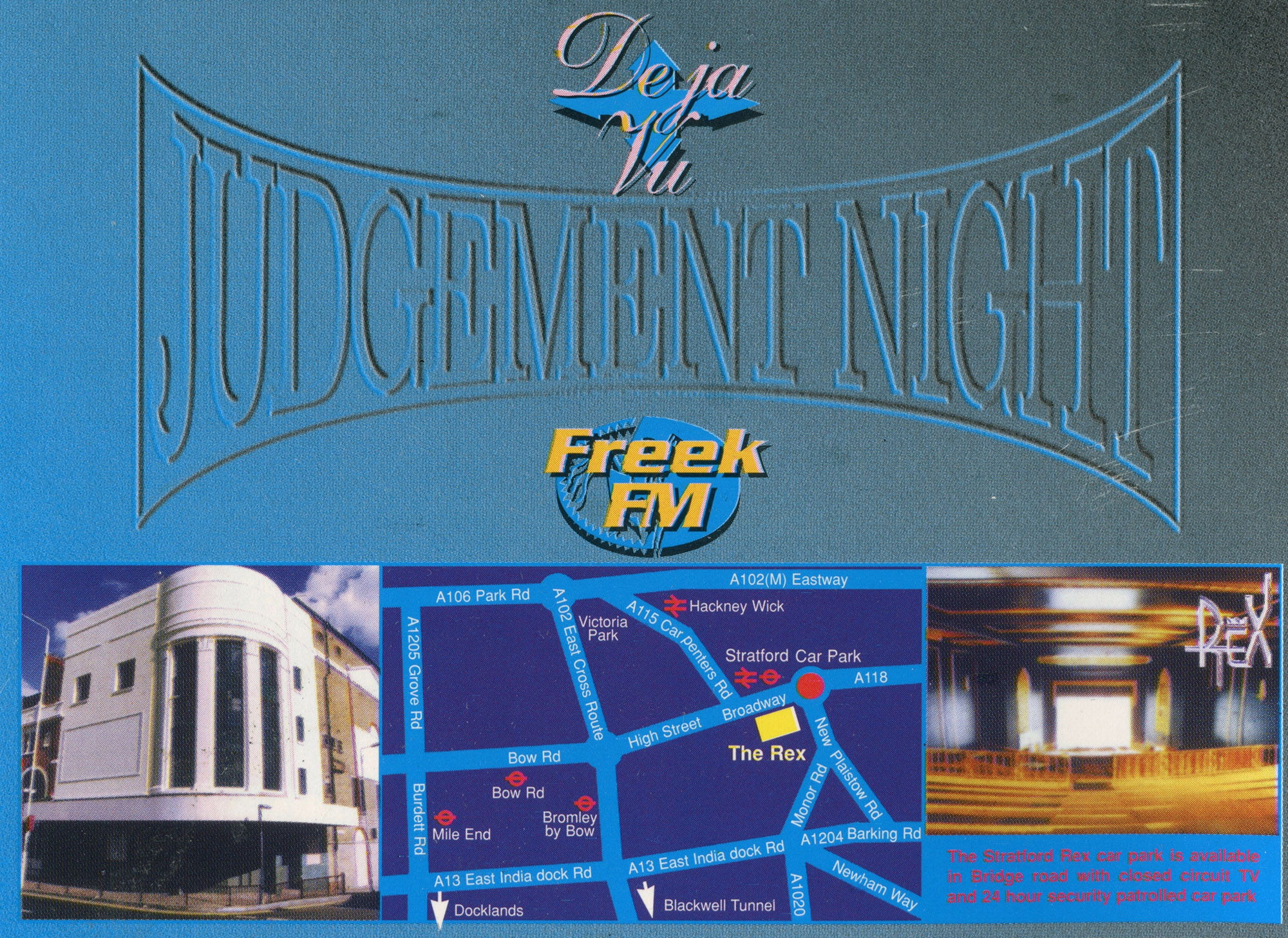
For Sting, Deja Vu was part of a wider ecosystem of East London music culture. Before taking over the station, he had already founded Telepathy — one of the UK’s earliest jungle raves — and later ran venues such as Stratford Rex. Deja Vu extended this legacy into radio, offering young MCs and DJs a space to experiment freely and to reach audiences far beyond their neighbourhoods.
Even after moving from the rooftop studio, Deja Vu remained a vital independent broadcaster, helping to shape the sound and identity of UK underground music. Its legacy continues online and through the artists it launched — proof of how grassroots infrastructure helped build an entire genre.