
Dhol Academy
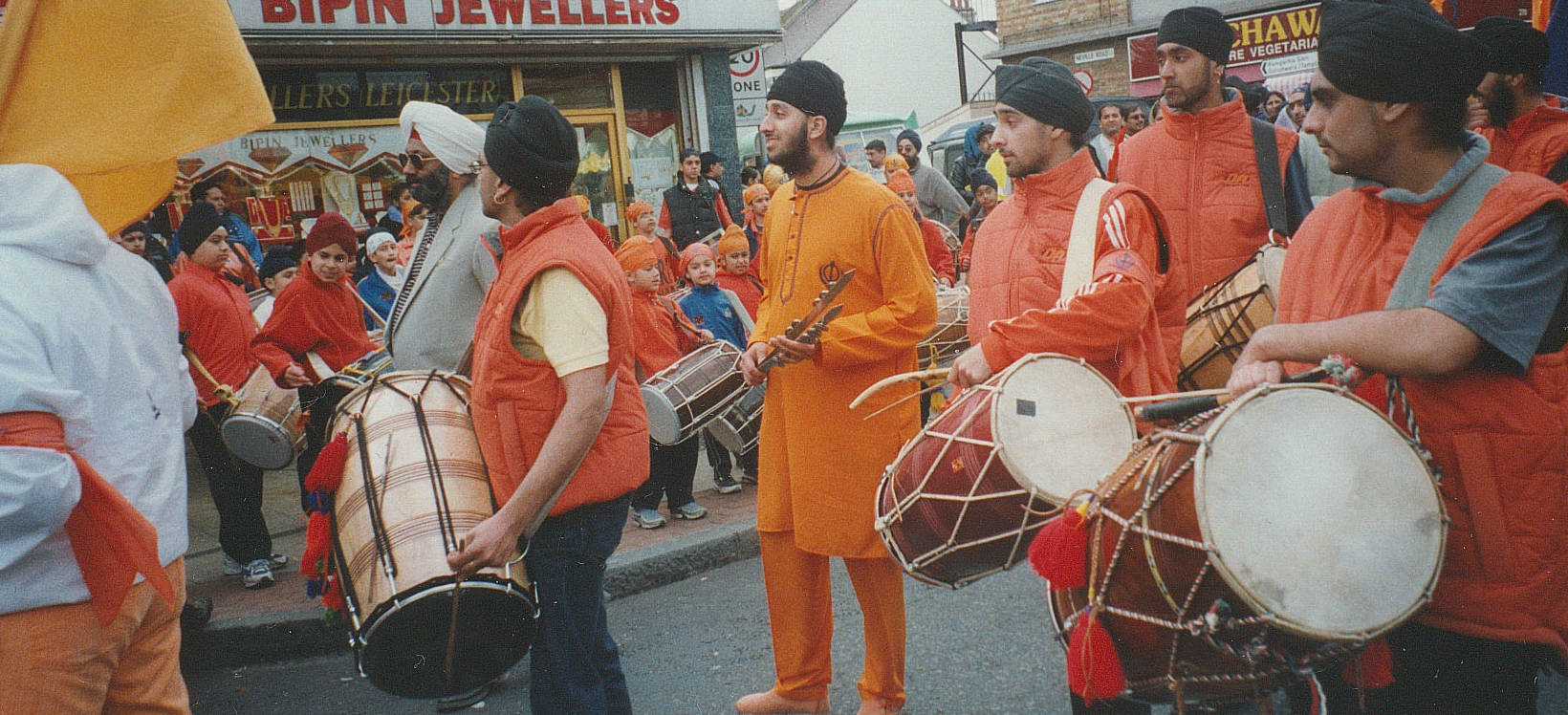
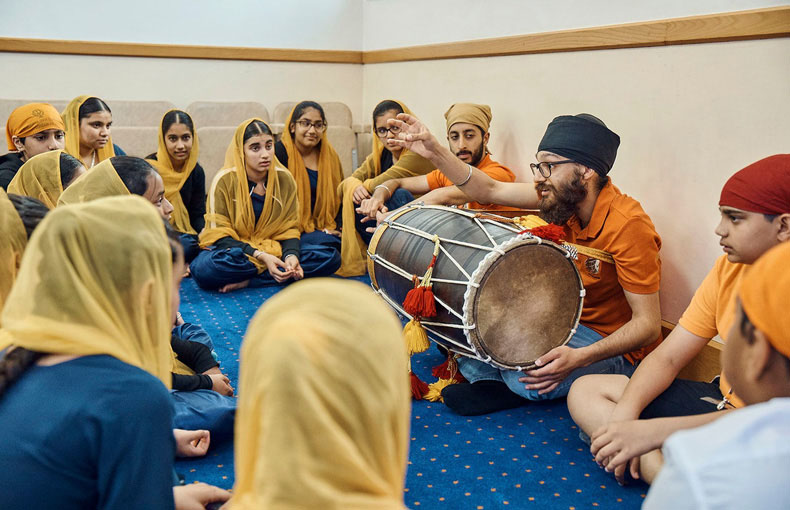
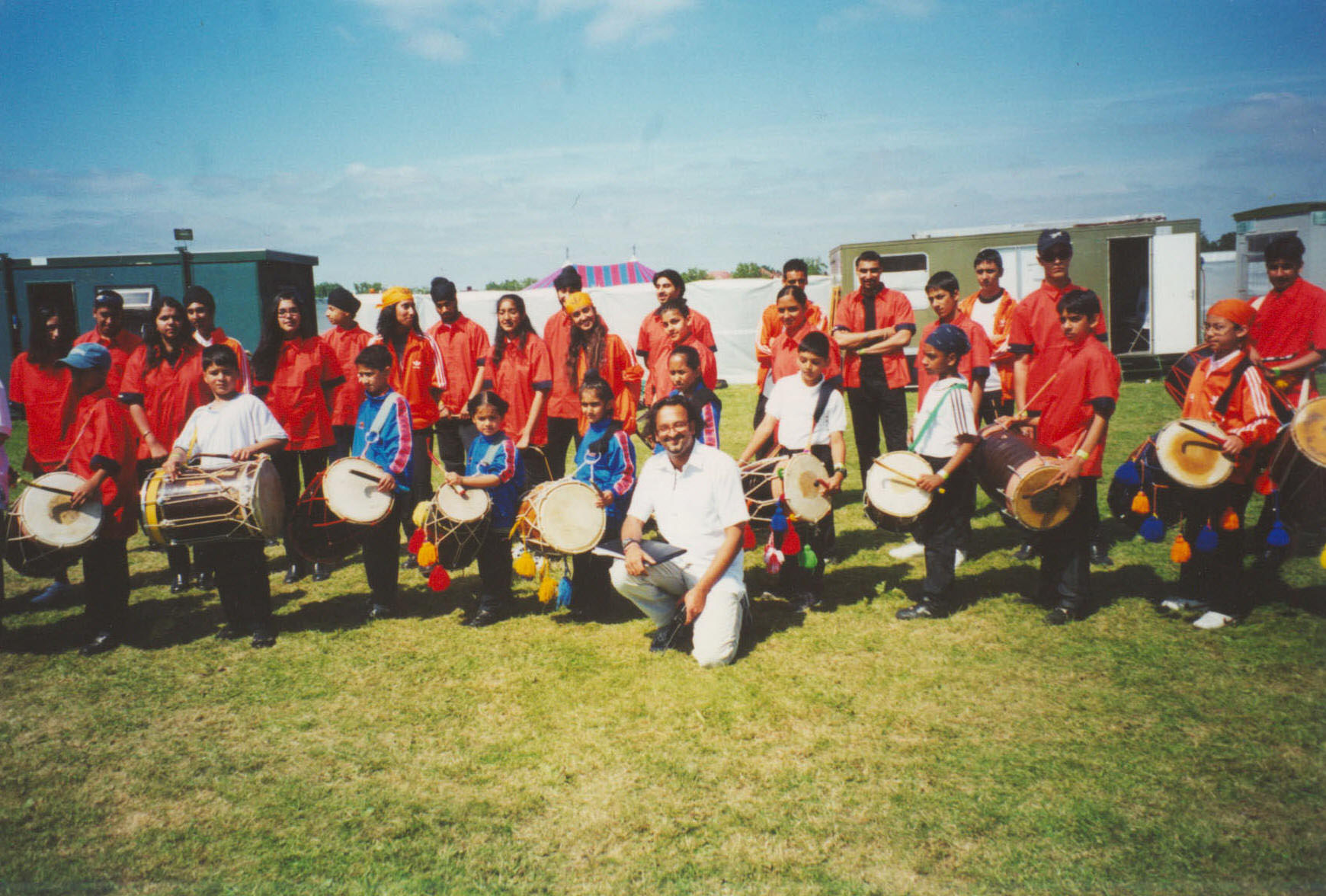
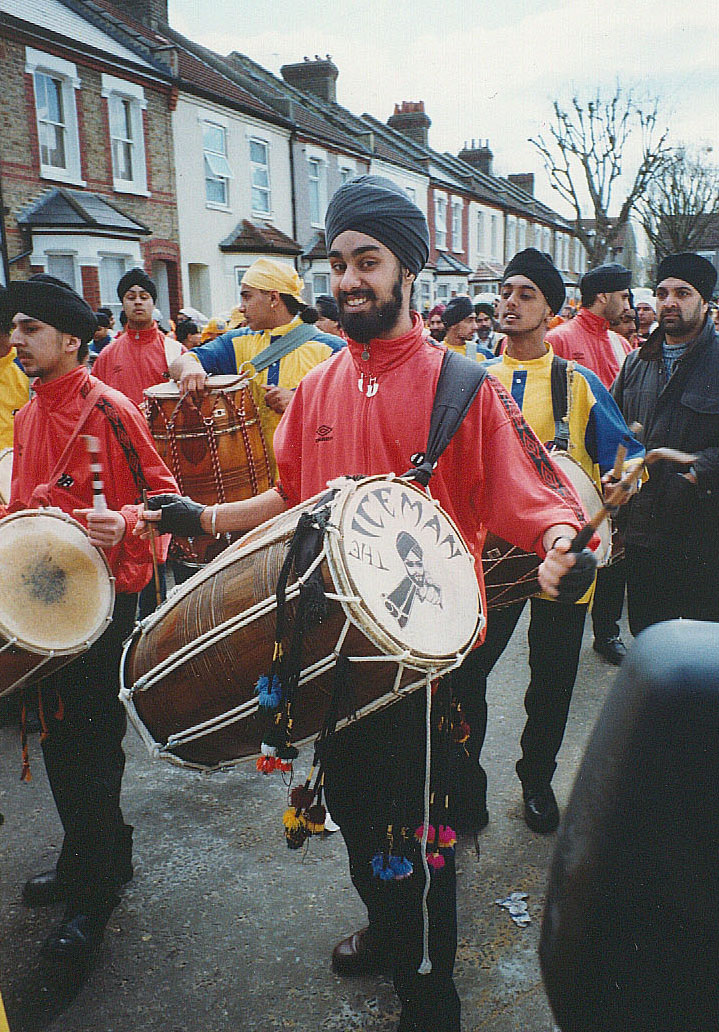
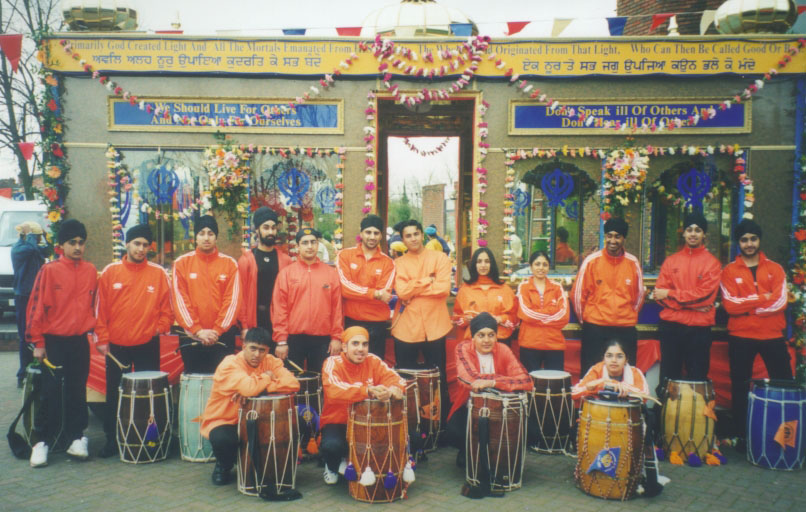
Dhol Academy was established in 1994 and has become one of the UK’s longest-running dhol schools. Based at the Neville Road Gurdwara and Punjabi Community Centre in Newham, its Friday evening classes have been open to people of all ages and backgrounds since the beginning. Founded by Pritam Singh Bamrah and later led by his nephew Jasdeep Singh Bamrah, the Academy has trained hundreds of young players, many of whom have gone on to perform at festivals, parades, weddings and clubs. Rooted in the Punjabi tradition of community music-making, it continues to share dhol with a wide audience.
“The most important thing—smile. Send that energy out there, and then you’ll get it back. And when that hits you back, you’re up there in the atmosphere, man—you’ve hit the spot.”
Parminder Gill
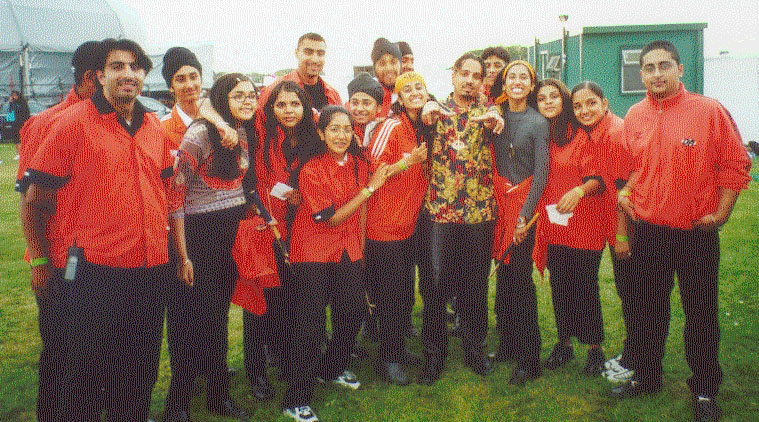
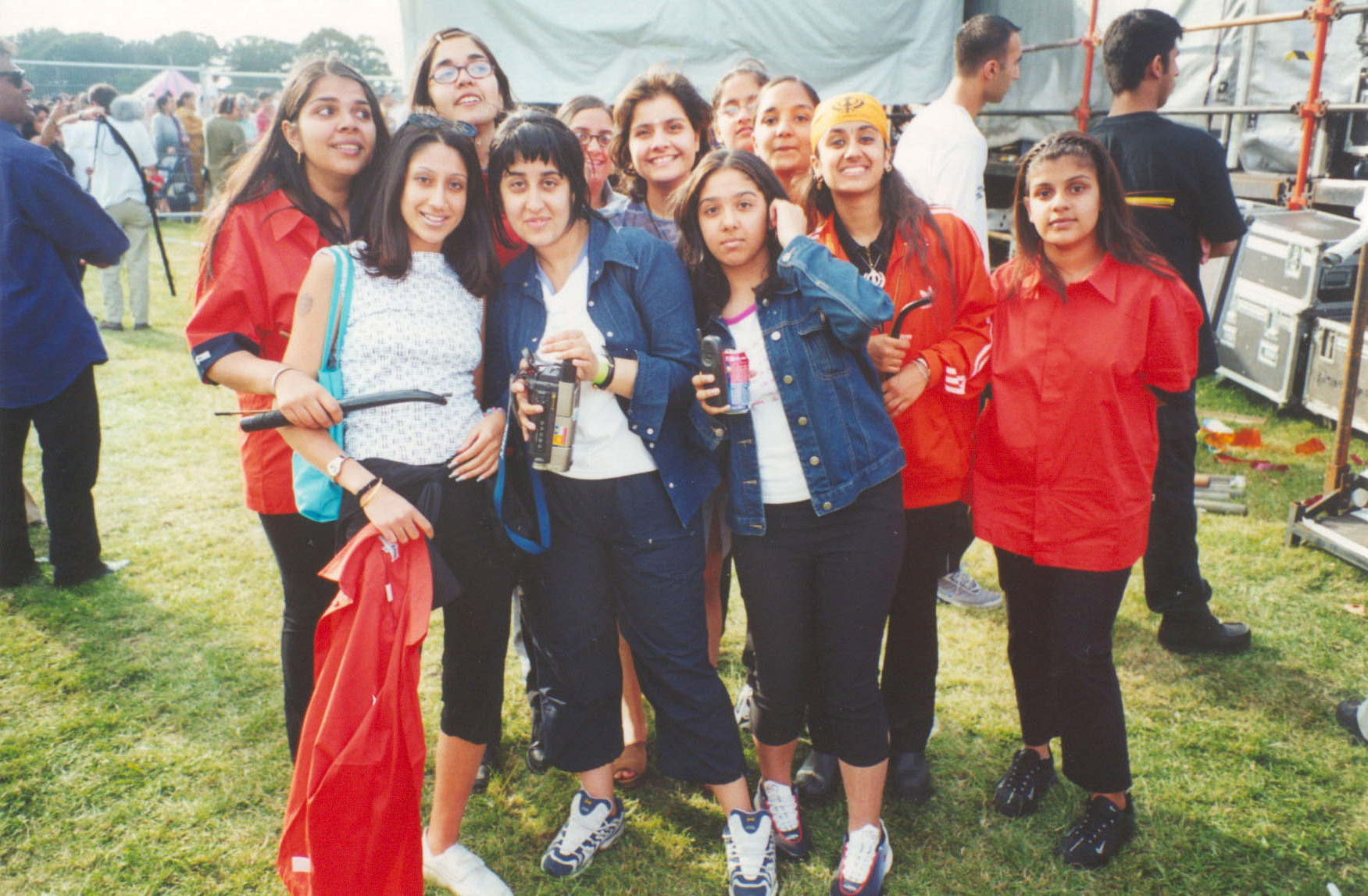
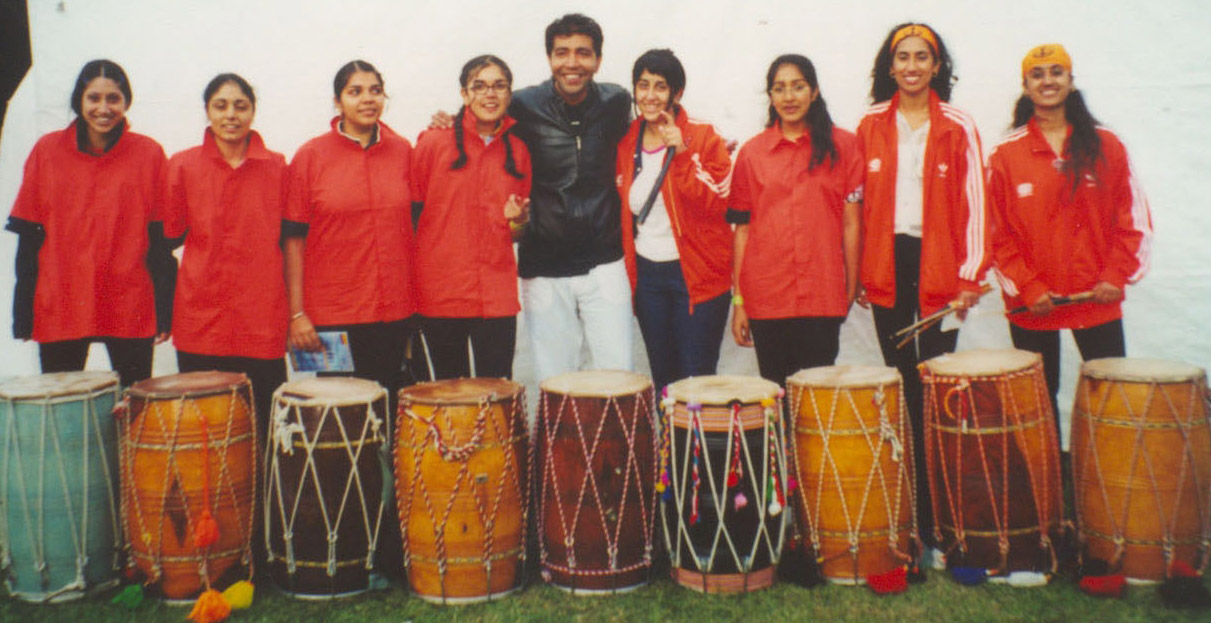
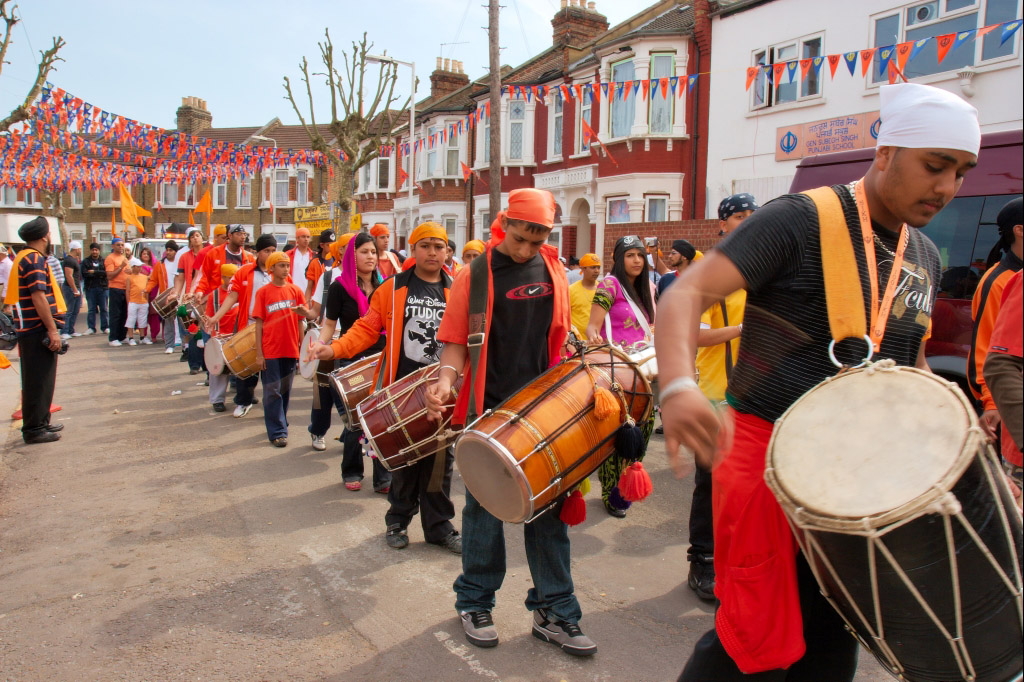
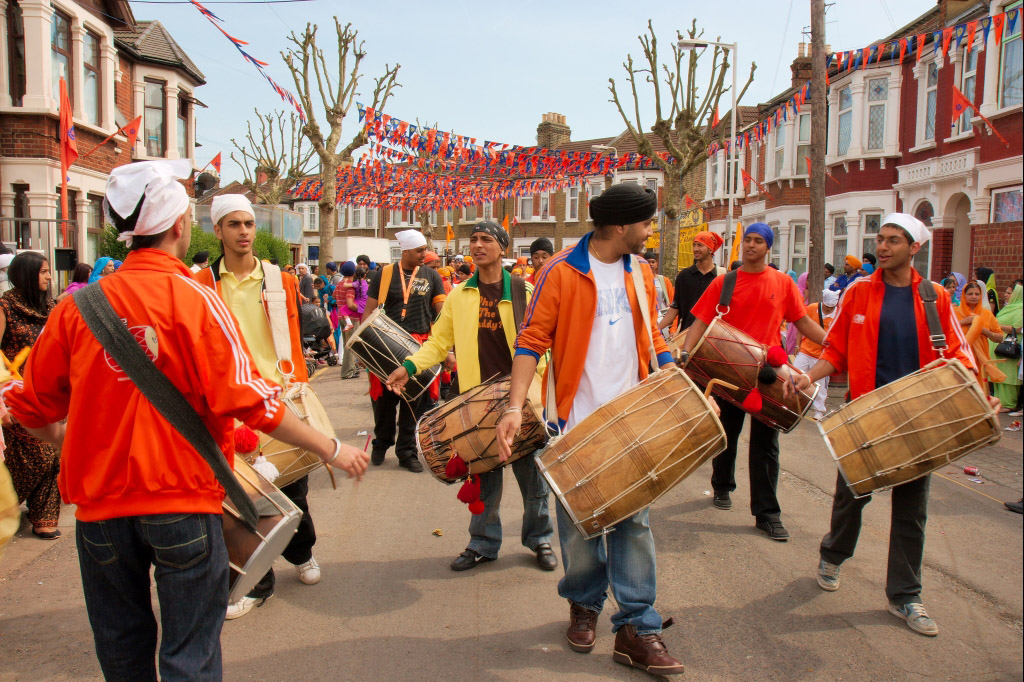
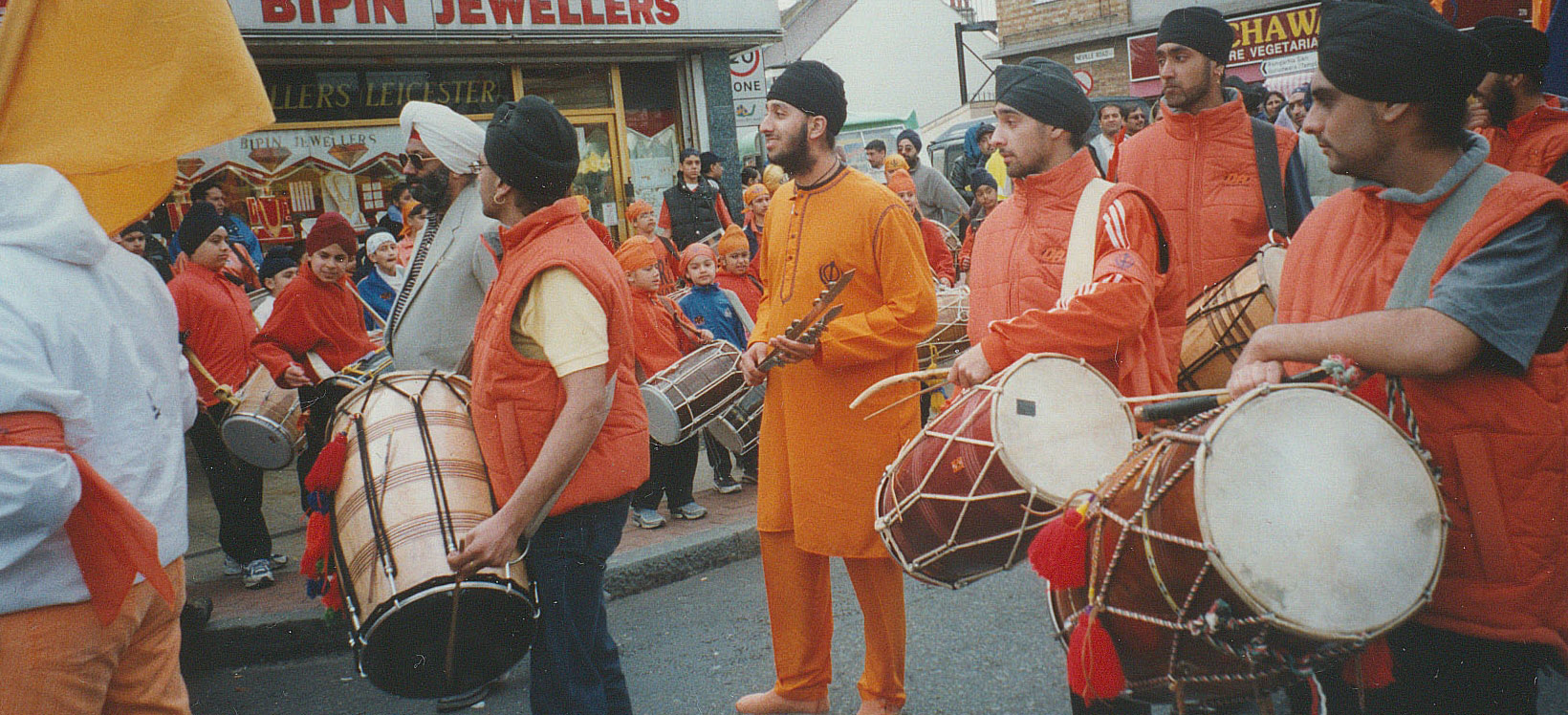
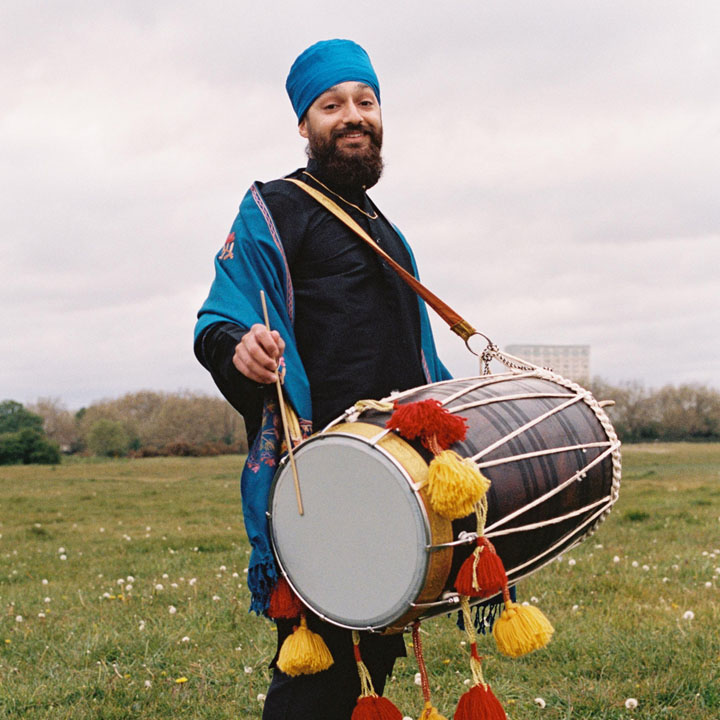
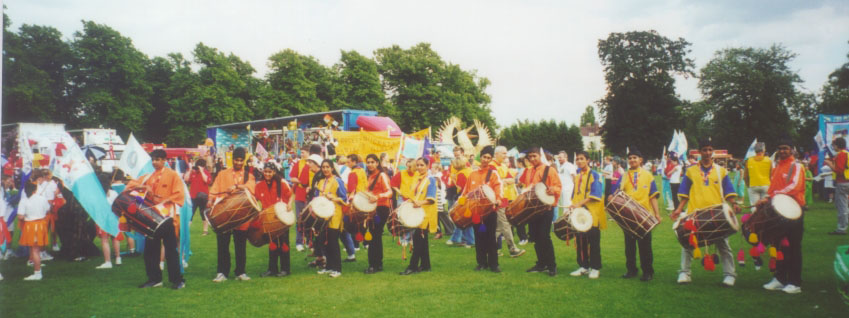
“Music does amazing things. Through Dhol Academy, we’ve had people come together, and they’ve got married… music’s brought them together. The dhol’s brought them together.”
Jasdeep Singh Bamrah
Video
Oral histories
Pritam Singh Bamrah
Play audio
Background
Pritam Singh Bamrah, born 1957 in Punjab, founded Newham’s Dhol Academy in 1994, teaching generations of young people and performing at festivals and community events.
Transcript
We started at 270 Neville Road, which is in Newham, Upton Park, and we started the class from there. It’s community hall. We do every Friday from seven o’clock till nine. We still run that class; it’s bringing the community together. That is what, from my side, is important, like we see today, at this day and age, lot of kids having problem everywhere. I always felt that me guiding them in the right direction is a good way. And then it doesn’t matter if he’s a dhol or if it’s football, or if it’s anything, but as long as they are like, you manage them, keep an eye on them, give them a good start in life. So dhol was very important to me to bring so many kids together and give them a good start in life.
Jasdeep Singh Bamrah
Play audio
Background
Jasdeep Singh Bamrah, born 1995 in Goodmayes, is a dhol player and teacher leading Newham’s Dhol Academy and performing internationally.
Transcript
There was a large demographic of South Asians, but in our case, predominantly Punjabis. Our family was Ugandan. They saw there was a large demographic of Punjabis and just Indian South Asians in general. But they weren’t mingling as they were back home. So to try and kind of bring that community feel the best way to do it, being a Sikh, being Punjabi, was doing community activities via the Gurdwara. There was a few of the youngsters at that time. They were like, they were interested in music, specifically to dhol drum, and it’s a very infectious instrument. Like, the history with this instrument is crazy. But they were like, ‘Oh, we want to play the dhol’. Thaiya Ji, kind of thought, okay, cool. We can give you a place to actually practice dhol, and then we can see what happens with it. You’ve got the folk Bhangra dhol style folk Punjab that is in the northern India side. But then you’ve got Sufi dhol. So the folk side is more to do with Bhangra music. It’s more the dhol is more of an accompaniment to the Bhangra dancing. Each rhythm has a specific name which accompanies a dance move, and that’s how they play. They accompany the dance. The dhol is the focal point of a Bhangra dancer’s performance. And yeah, literally, every move the dancers do there’s a corresponding rhythm for it. It’s a community thing. We’re here to bring people in. We’re here to give a safe space for people. And that was Thaiya Ji, number one motivation for running Dhol Academy. It was people first. It’s a safe space. It’s a place for the community. You can get great friends here. You can basically become family joining Dhol Academy.
Parminder Singh Gill
Play audio
Background
Parminder Singh Gill (Parmy G), born in Forest Gate, is a dhol player and long-time teacher with Newham’s Dhol Academy, performing at festivals, weddings and community events.
Transcript
Once you put the strap around your neck and you’re holding the dhol and you’re standing in front of you, people want to see a little bit more than just the beats. You know, it’s phenomenal that you can play the beats. That’s good for if you’re you’re doing recordings, if you’re doing recordings, that’s brilliant. You’re a very good dhol beater. You can play the door very good. But if you’re performing live in front of people, you need to stick those dance steps in little movement, left to right, sideways, up, backwards, forward, leaning, bending the knees, smiling. The most important thing, smile, yeah, send that energy out there, and then you’ll get it back. And then when that hits you back, that is when it you you’re up there in the atmosphere, and you know, you hit the spot.