
Birthplace of Rock Against Racism and a new era of musical activism
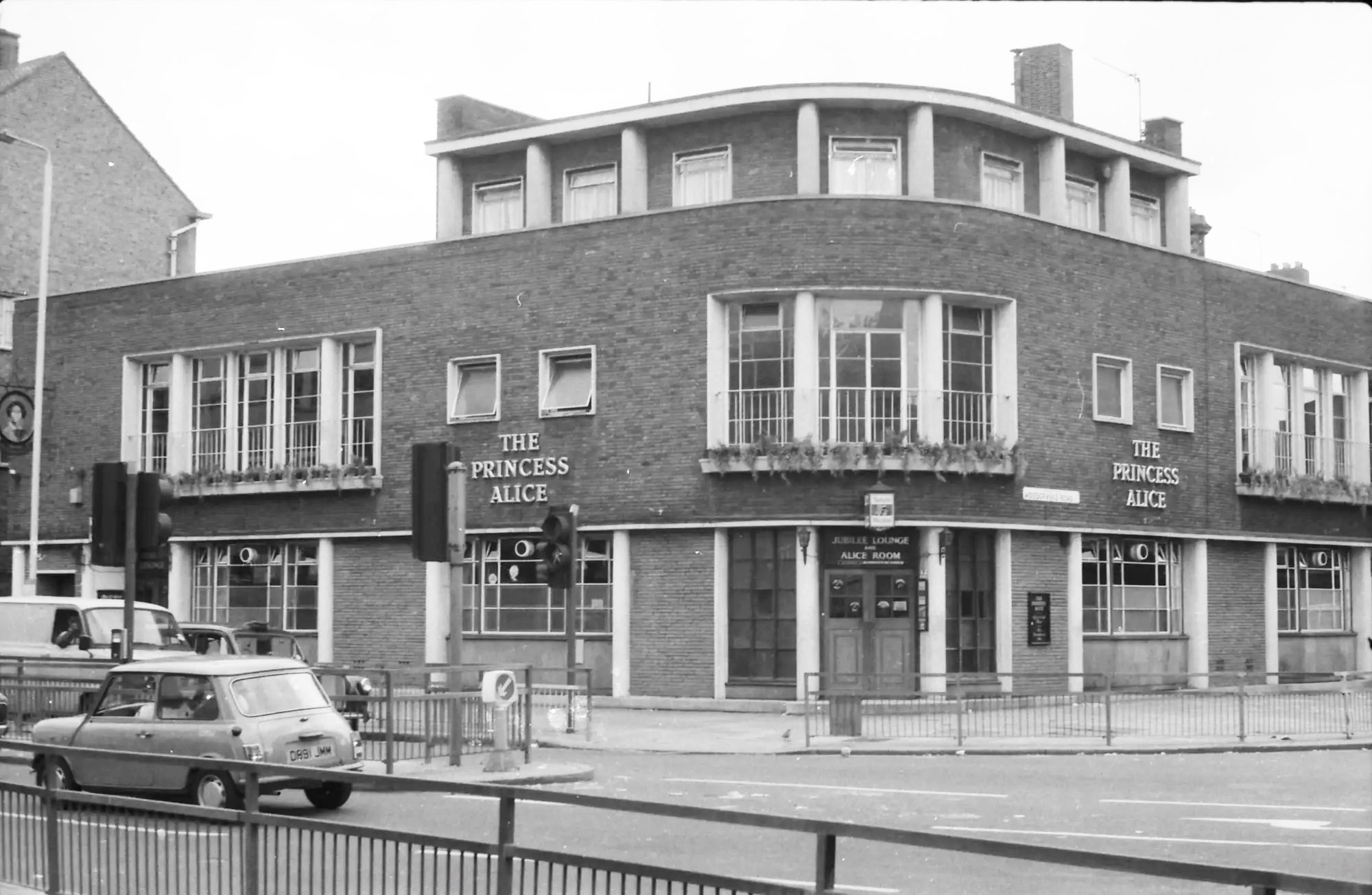
The Princess Alice was a pub in Forest Gate, East London, near the junction of Romford Road and Woodgrange Road, now the site of a Superdrug. Though modest in size, it became the birthplace of one of Britain’s most influential grassroots movements: Rock Against Racism (RAR). The first RAR gig took place here in 1976, in response to racist comments made by musicians like Eric Clapton and David Bowie, at a time when the far-right National Front was gaining visibility.
RAR was founded to challenge racism through culture, uniting punk and reggae audiences and performers in a shared struggle. The debut gig at the Princess Alice was a powerful act of resistance, bringing together local bands, poets, and politically engaged musicians. Among the performers that night was Carol Grimes, a celebrated jazz, blues, and rock vocalist known for her soulful voice. Grimes was also a fierce advocate for racial and social justice, and her presence helped set the tone for RAR’s mix of politics and music.


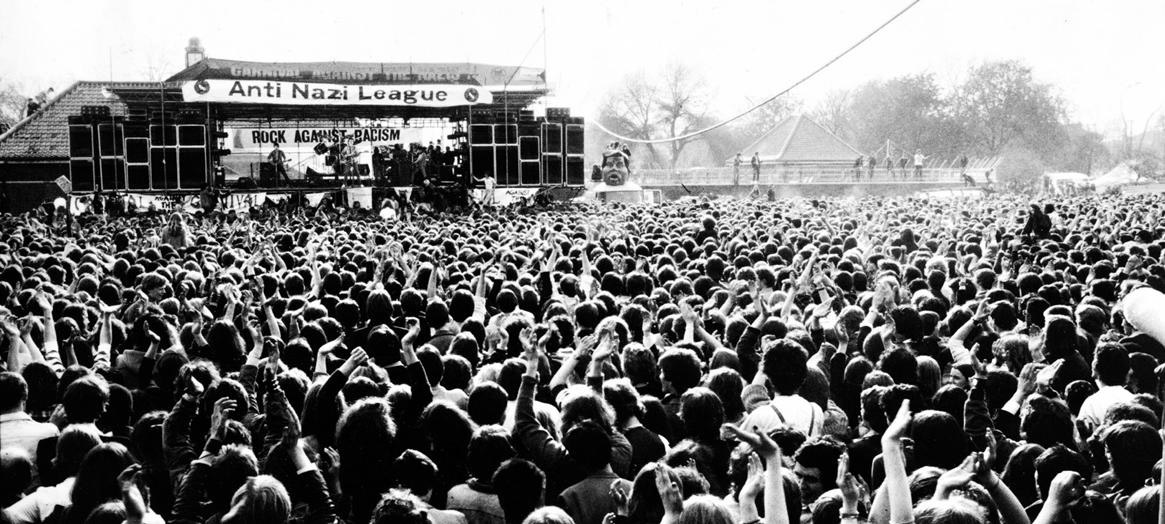


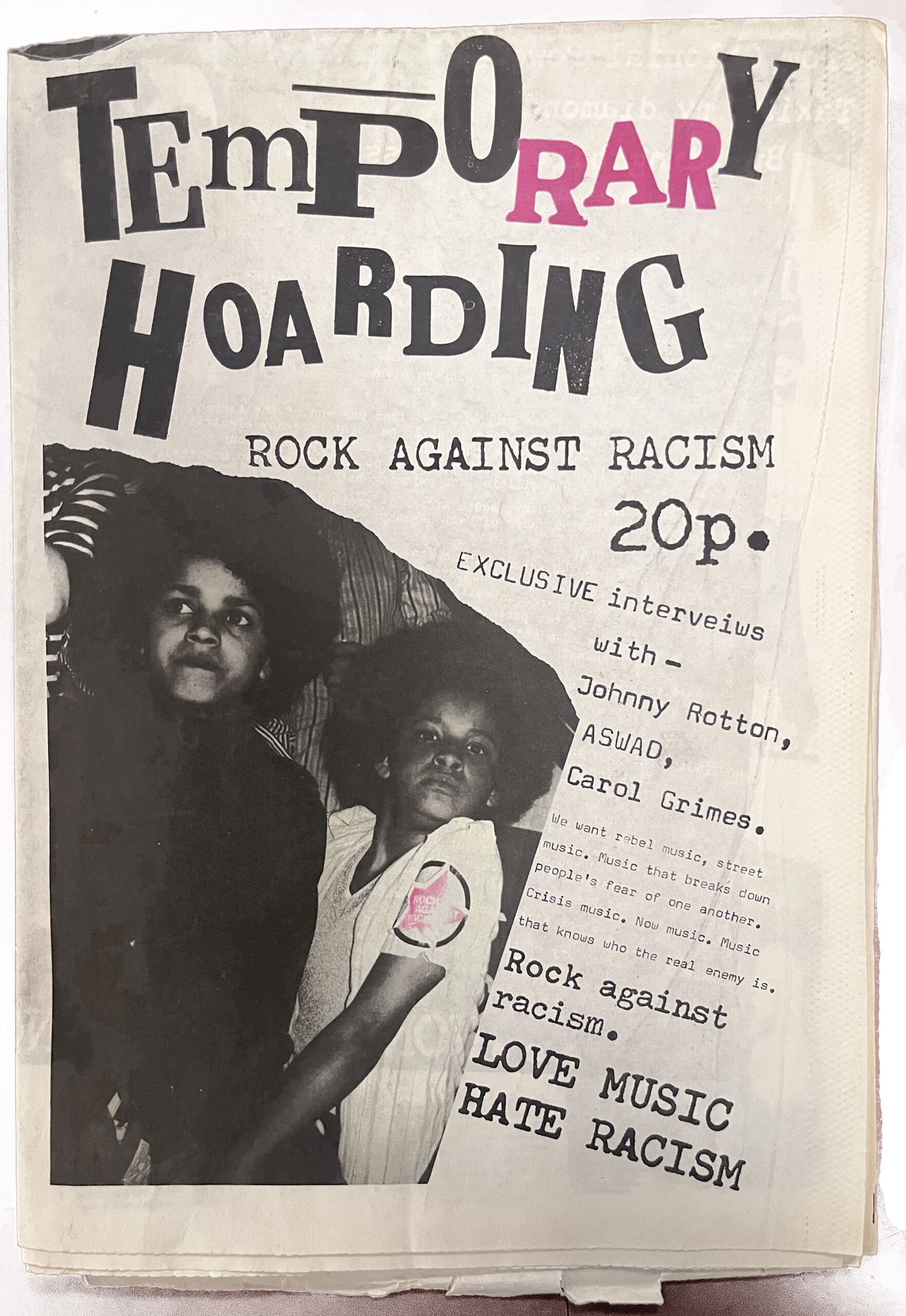
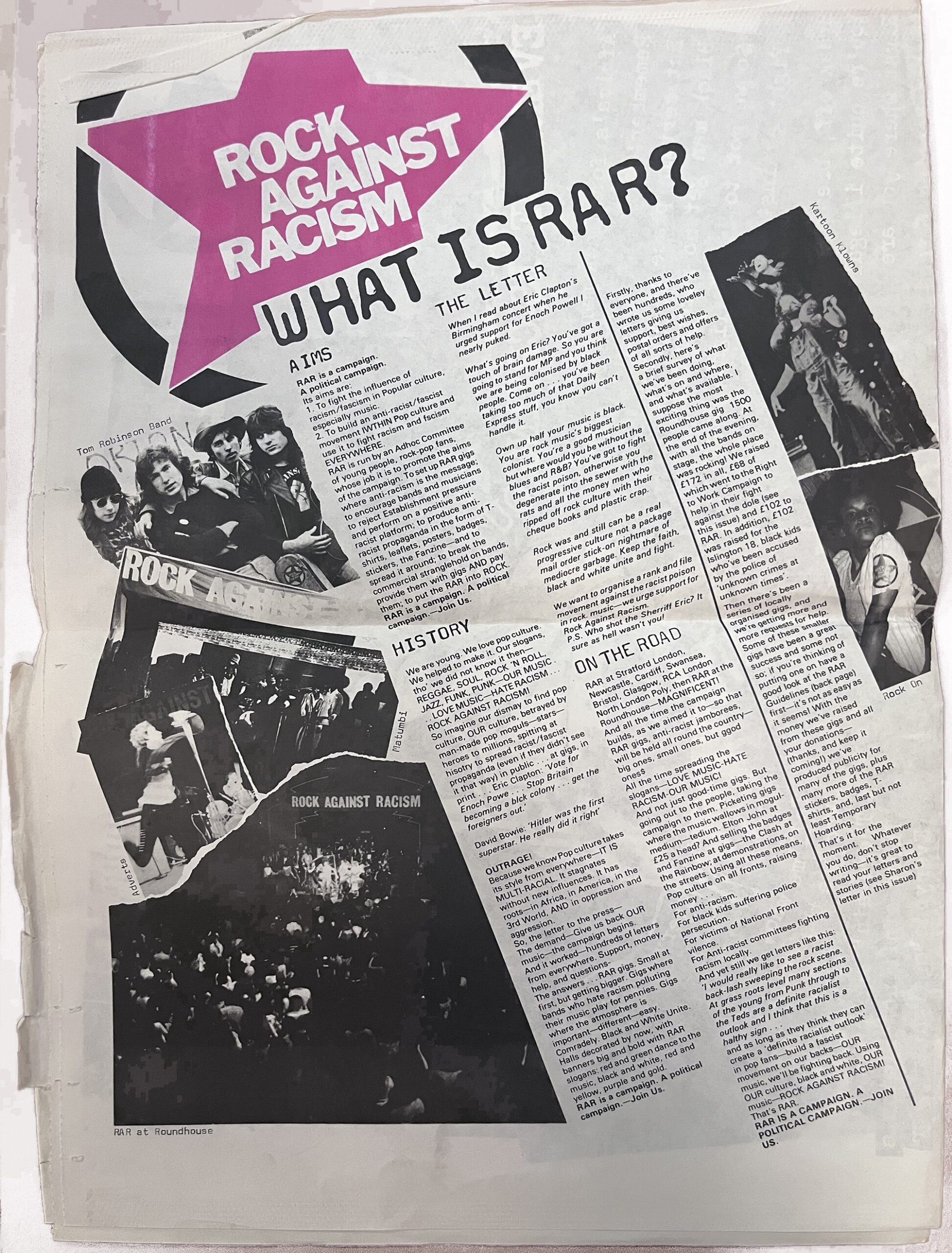
The pub’s upstairs function room provided the perfect DIY setting for this cultural uprising and this first night laid the groundwork for a movement that would go on to stage massive carnivals and tours across the UK, blending music and activism to confront racism head-on.
Rock Against Racism
Roger Huddle
Play audio
Background
Roger Huddle, born 1944 in Walthamstow, co-founded Rock Against Racism in 1976 and organised its first gig at the Princess Alice in Forest Gate.
Transcript
Anyway, within I don’t know, within two weeks, we had about 600 people sending us letters saying, I want to join, I want to rock against racism, mostly from soul fans and also from mixed couples. We had a lot of people saying, ‘My boyfriend’s Black or my girlfriend’s Black’, whatever. ‘We hate racism and we love music’. So that that was that. So suddenly we said, ‘Oh, well, we’re gonna have to do it’. Yeah, you know, we’ve been caught out. So we decided we was gonna do a gig. We’ll carry on with the idea about a Rock Against Racism gig, and we hired the Princess Alice, and I got a nice room upstairs, low ceilings. And I love Carol Grimes and the London Boogie band, because she was playing the music that we all loved, you know, and and she was real a fantastic vocalist, and she had a real soulful feel. So I went off- We went and saw her, and I came up to the stage afterwards. I said, ‘Look, we’re doing this gig. Would you? Would you do it?’ She said, ‘Yeah, alright’. And I said, ‘There’s not a lot of money in it’. She said, ‘Oh, when is there any money in benefits’. But anyway, she agreed to do it. So she went on the poster, and off we went. So we had our first gig.
John Morris
Play audio
Background
John Morris, born 1947 in Glasgow, was active in Rock Against Racism and helped organise events at the Princess Alice in Forest Gate.
Transcript
I can remember the feeling in the pub, and I can remember the fact that there was an awful lot of men there and there wasn’t many women, and the fact that the stage and whatever they were performing on was very slight, not very high, off the ground, and that, well, all I can tell you is my my having been a bouncer for Rock Against Racism on several occasions, is that we always stood with our back to the band and linked arms, and our aim was really to jump up and down with everyone else, so that we were not bouncers in the security way that things are now. We were actually maybe linking arms, holding hands and jumping up and down, so we kind of knew the whole atmosphere around there. So to go to something like that at the Princess Alice was really quite exhilarating, that you knew you were with people who were all right.
Carol Grimes
Play audio
Background
Carol Grimes, born 1944 in Lewisham, is a singer and activist who performed at the first Rock Against Racism gig at the Princess Alice in 1976.
Transcript
It was just an average little platform in a bar. There wasn’t a lot of room, so I couldn’t do any fancy choreography, for instance. We were doing blues, RnB, soul-type stuff tinged with a bit of country. So we were a mishmash of songs we all loved between us, whilst telling the audience or saying to the audience why we were here. So we did it in our introductions, and the singer often gets landed with most so we spoke about it and why we were here, why Rock Against Racism is in existence, and this was the first gig, as you know.
Oral histories
While the Princess Alice is best known as the birthplace of Rock Against Racism, it was also a lively neighbourhood pub with a rich social life. Locals remember reggae nights, pool games, and weekend gatherings that brought together people from across Forest Gate.
Chris Ayuli
Play audio
Background
Chris Ayuli (Kris Rocka), born 1960 in Bethnal Green, built and played sound systems in Newham and later worked as a BBC broadcasting engineer.
Transcript
Princess Alice used to be a little place that they used to play music in, the Princess Alice pub, which was on the corner of Woodgrange Road and Romford Road, playing disco, lots of funky stuff and general sort of pop and soul and a bit of reggae. But the reggae sound, that was a that was another different, another different scene, that was literally an underground scene. And it was, you know, there was a stigma attached, because we made a lot of noise, much more noise than the than the discos.
Sreejith Sreedharan
Play audio
Background
Sreejith Sreedharan, born 1972 in Kerala, is a long-time organiser at Kerala House in Newham and co-founder of the Nisari music troupe.
Transcript
Around ’88 around ’88, ’89 time and not- I don’t think Asians or anyone coloured wouldn’t go into the Princess Alice. It was notorious. But there were some- There were three pool tables there. And all my friends at that time, they all liked playing pool, so we accidentally discovered Princess Alice has three pool tables. And we start- went there to play pool. From the outside it was it’s more or less the same, apart from the sign boards and all that. The inside was divided into two segments. We had the bar in the middle, and then had the pool table to the right-hand side of the bar, there were three pool tables at one point, and then on the left-hand side, it was more seating, and it was mainly English people who went there.